Planning

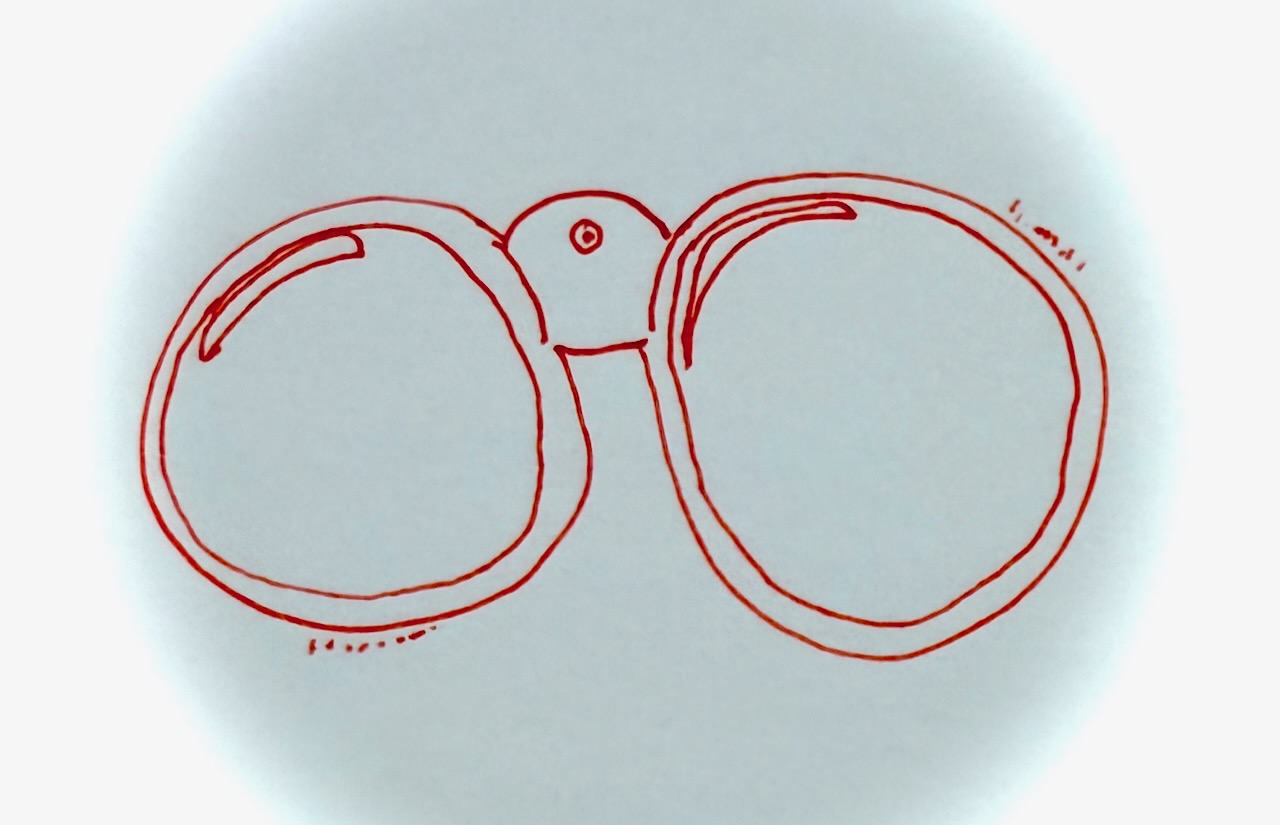
Binoculars

Binoculars are a liminal object to me. Most binoculars I have encountered are safely positioned in a case or sitting static on a shelf; they are more accessory than instrument. But, when required, they can transform quickly. Is that a wildfire on the ridge? Is there a vessel at sea requiring assistance? Is that an Ivory-Billed Woodpecker? Did my favorite musical artist playing in a mega stadium change into a new costume? Who walked into the building at the far end of the property?

Using them constantly makes the world myopic, and our sense of scale is unrealistic. By deploying them randomly, we spin the wheel of serendipity, hoping a worthwhile subject will appear. Treating them as a resource can enhance our culture of curiosity and provide confirmation of our interest or render the subject matter a lower priority.

What are the binoculars of your enterprise? What can your team leverage at key moments to make sense of the territory ahead?

It is a Theme (Not a Specific)

When asking nutritionists about the best diets to follow, their answer tends to contemplate themes. They can highlight the benefits and challenges of specific diets, but they return to more prominent themes. How might we recognize that we sometimes require a specific resource to move forward, but on numerous occasions, we can progress with different forms of fuel for our journey? An ultra hiker can snack on Snicker bars, pieces of fruit, plant foods, or nothing (for limited durations), and all these forms will help them move down the trail.

What if our planning was not so rigid about meeting specific goals, except where necessary? What if we developed themes we were curious about exploring, understanding that navigating to a general vicinity of a goal might be more potent than clambering to a specific summit?

The Bucket

Melting snow for water during a yurt trip.

Social media post I encountered. “I completed the first thing on my bucket list…I got a bucket.”

The quip is positioned as a humorous post but embeds truth in its simplicity. Before launching our aspirational moonshot, how might we ensure we have the essential supplies and a basic foundation? If we continuously operate on a burning platform, trying to assemble the basics to stay in the game, perhaps a fully articulated marketing plan is not our next move.

A Year-in-Review

A year-in-review process is like investigating golf scorecards from the past 12 months. There was a script of how the rounds were intended to proceed (par) and the reality of the score we achieved. Setting goals for next year is like looking at blank golf scorecards for the rounds we intend to play. There is the ideal scenario, unfettered by any internal or external factors.

How might we leave room for the serendipity we will encounter along the way? Is the goal (par) equal to our abilities, equipment, playing companions, and mindset? How might we recognize the most transformative moments and best stories are often generated from the obstacles we face, not the predictable outcomes?

Resistance

Resistance is a remarkable force for good and/or a formiable foe. It can appear in numerous forms, mechanical, psychological, chemical, environmental, and humanity to name a few. As winter grips parts of the northern hemisphere, our ability to adapt or subcome to cold is a form of resistance.

Making a decision has a layer of resistance embedded. Embracing homeostatis allows us to postpone resistance in some circumstances. Trying to navigate numerous choices creates points of friction and resistance in certain occurrences.

How might we prepare in advance for resistance points? How might we preload resources to overcome barriers that will postpone our progress? And, how might we adopt a mindset to honor resistance points that are impending signs of failure or damage?

Changing the System

Disney changed the color of lifeboats on cruise ships and created the design for marking the difficulty of ski runs. Disney wanted a different color scheme for lifeboats, so they did research and convinced the US Coast Guard to expand the acceptable palette of lifeboat colors. When Disney considered owning and operating a ski resort, there was no universal system for marking the difficulty of ski runs. Disney created a system that was adopted by many ski areas. Ultimately, Disney never launched its ski resort but altered the ski industry.

We are all working to change the system in some way. We are trying to enforce the existing system, expand the system, or break the system. Understanding that we might effect change without being stakeholders is a paradigm shift.

Mergers

Last month, I received emails from three different social sector organizations launching separate mergers. Each one made me optimistic. The rationale and plan to move forward were well articulated, but more importantly, the work that had been done to move from concept to merger was impressive. Equally significant were the open questions that these different groups shared. The mergers may or may not work. The abilities of two unique boards of directors to combine may or may not resonate. Retaining all the staff members may or may not endure the transformation. But, there appeared to be a genuine attempt to continue providing essential services.

How might we be open to conversations about partnerships, mergers, and sunsetting if needed? How might we remain curious about the network of affiliates doing the work that matters? How might we not miss the opportunity to ask, ‘What other direction might we consider?’

I Know

I know what I’m gonna do tomorrow, and the next day, and next year, and the year after that.” George Bailey

What will you do tomorrow, the next day, and the next year? How certain are you of these commitments? What if circumstances change?

Are we committed to the journey or the destination? Prioritizing the behaviors and processes that launch us in our expected direction might strengthen the results of our planning; otherwise, we might find ourselves close to our goal but unable to grasp our transformation.

Shift Gears

Why do bicycles, automobiles, blenders, and wind turbines have gears? Why not maintain the same mechanical ratio and remove numerous redundant parts?

A partial answer is that gears allow control over power and movement.

When we are working on a project and an individual requests that we shift gears, it implies that our efforts need to be recalibrated to another ratio. Perhaps we need to add more creativity, speed up, wrap up, abandon, try another way, seek help, change leadership…

Gears are magical when we use them to our advantage. When riding a bike in the French Alps, we might use the entire capacity of the rear cassette. Cruising across town on a greenbelt with a negative one-degree slope and a fixed-gear commuting bike is sufficient. Shifting gears is highly beneficial in mixed terrain and likely fine-tuning in static conditions.

How might we shift gears when it benefits our work but not allow the machine to control the operator?