Planning

A Year-in-Review

A year-in-review process is like investigating golf scorecards from the past 12 months. There was a script of how the rounds were intended to proceed (par) and the reality of the score we achieved. Setting goals for next year is like looking at blank golf scorecards for the rounds we intend to play. There is the ideal scenario, unfettered by any internal or external factors.

How might we leave room for the serendipity we will encounter along the way? Is the goal (par) equal to our abilities, equipment, playing companions, and mindset? How might we recognize the most transformative moments and best stories are often generated from the obstacles we face, not the predictable outcomes?

Resistance

Resistance is a remarkable force for good and/or a formiable foe. It can appear in numerous forms, mechanical, psychological, chemical, environmental, and humanity to name a few. As winter grips parts of the northern hemisphere, our ability to adapt or subcome to cold is a form of resistance.

Making a decision has a layer of resistance embedded. Embracing homeostatis allows us to postpone resistance in some circumstances. Trying to navigate numerous choices creates points of friction and resistance in certain occurrences.

How might we prepare in advance for resistance points? How might we preload resources to overcome barriers that will postpone our progress? And, how might we adopt a mindset to honor resistance points that are impending signs of failure or damage?

Changing the System

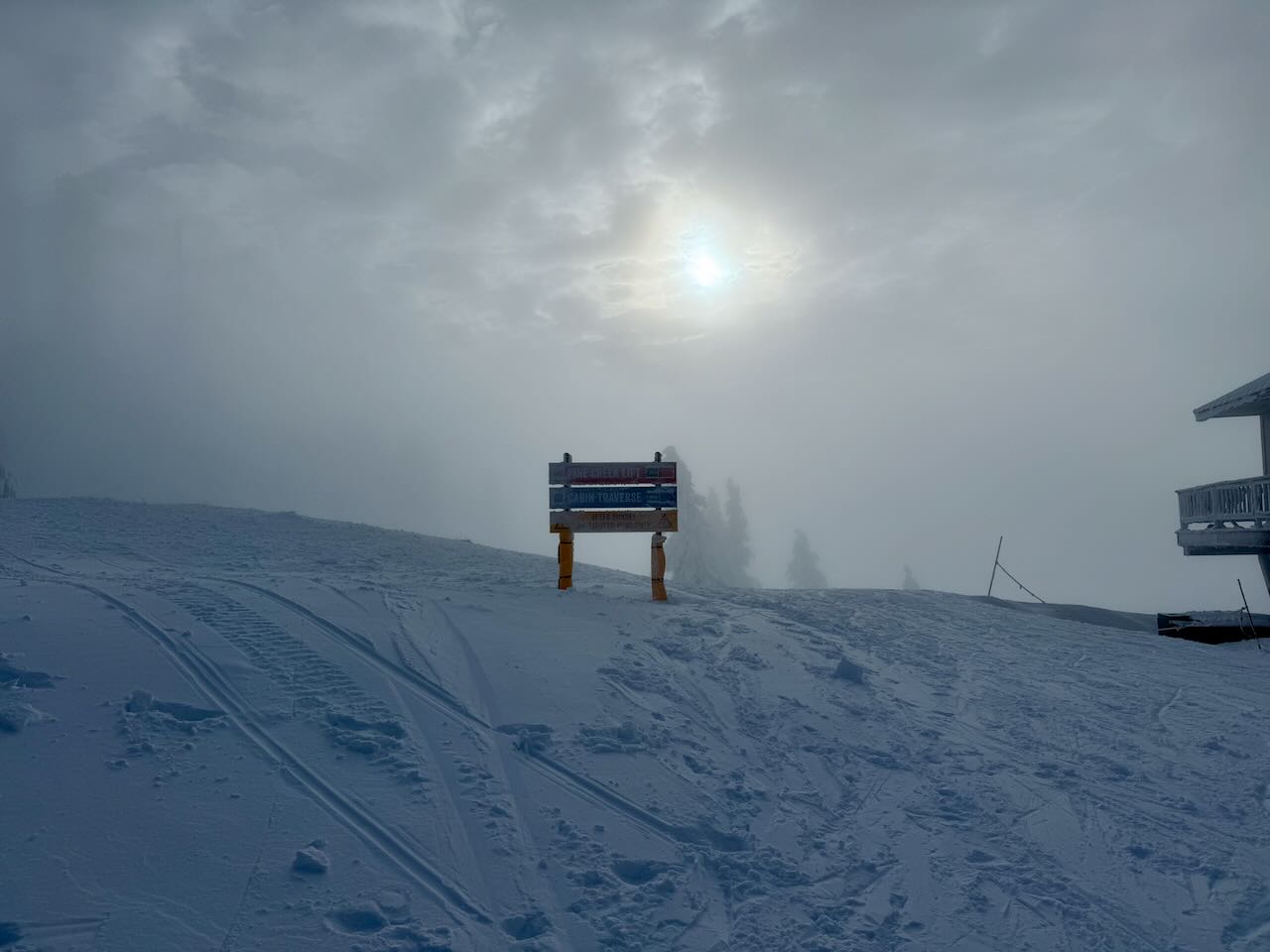
Disney changed the color of lifeboats on cruise ships and created the design for marking the difficulty of ski runs. Disney wanted a different color scheme for lifeboats, so they did research and convinced the US Coast Guard to expand the acceptable palette of lifeboat colors. When Disney considered owning and operating a ski resort, there was no universal system for marking the difficulty of ski runs. Disney created a system that was adopted by many ski areas. Ultimately, Disney never launched its ski resort but altered the ski industry.

We are all working to change the system in some way. We are trying to enforce the existing system, expand the system, or break the system. Understanding that we might effect change without being stakeholders is a paradigm shift.

Mergers

Last month, I received emails from three different social sector organizations launching separate mergers. Each one made me optimistic. The rationale and plan to move forward were well articulated, but more importantly, the work that had been done to move from concept to merger was impressive. Equally significant were the open questions that these different groups shared. The mergers may or may not work. The abilities of two unique boards of directors to combine may or may not resonate. Retaining all the staff members may or may not endure the transformation. But, there appeared to be a genuine attempt to continue providing essential services.

How might we be open to conversations about partnerships, mergers, and sunsetting if needed? How might we remain curious about the network of affiliates doing the work that matters? How might we not miss the opportunity to ask, ‘What other direction might we consider?’

I Know

I know what I’m gonna do tomorrow, and the next day, and next year, and the year after that.” George Bailey

What will you do tomorrow, the next day, and the next year? How certain are you of these commitments? What if circumstances change?

Are we committed to the journey or the destination? Prioritizing the behaviors and processes that launch us in our expected direction might strengthen the results of our planning; otherwise, we might find ourselves close to our goal but unable to grasp our transformation.

Shift Gears

Why do bicycles, automobiles, blenders, and wind turbines have gears? Why not maintain the same mechanical ratio and remove numerous redundant parts?

A partial answer is that gears allow control over power and movement.

When we are working on a project and an individual requests that we shift gears, it implies that our efforts need to be recalibrated to another ratio. Perhaps we need to add more creativity, speed up, wrap up, abandon, try another way, seek help, change leadership…

Gears are magical when we use them to our advantage. When riding a bike in the French Alps, we might use the entire capacity of the rear cassette. Cruising across town on a greenbelt with a negative one-degree slope and a fixed-gear commuting bike is sufficient. Shifting gears is highly beneficial in mixed terrain and likely fine-tuning in static conditions.

How might we shift gears when it benefits our work but not allow the machine to control the operator?

Rue Goldberg vs Planning

Rue Goldberg machines blend engineering, creativity, and autonomy. Designing and building a contraption is an art form. It requires the ability to trial scenarios and use objects in innovative ways. Watching the finished product in action can feel anticlimactic since we anticipate all the obstacles have been removed.

It occurs to me that some groups committed to strategic planning view their process as assembling a Rue Goldberg. They intend to design an elaborate apparatus, commit to a period of trial and error, and then reach a state of predictability where initiating a single event at the start will reach a desired ending. While relying on ingenuity and being flexible in deploying everyday initiatives are consistent with many planning efforts, the controlled environment is unrealistic. Obstacles are what divide planning and acting. We can always reach for tomorrow but only have today to shape the behaviors and processes that will impact our trajectory.

How might we remain flexible as we activate our plan on a daily basis? How might we recognize our plan is at best an outline, if not just some scribbled notes in the margin? How might we embrace the unanticipated instead of building elaborate set pieces to avoid disruption?

Year in Review

A year-in-review process is similar to examining scorecards from the previous 12 months of golf. There was an optimal route and score to achieve (par) versus the reality of the rounds played. Rarely did the round run as scripted. The year ahead is analogous to assessing blank scorecards of the rounds we intend to play. There is a plan and the vision of completing the track as outlined and achieving the best possible score.

How much room are we leaving in these plans for the unanticipated? How calibrated is our script to our abilities? How much will our resources and equipment add or detract from the journey?

Golf (and planning for the future) would be boring if they always followed the same articulated plan. Our best stories often prosper from encountering the unknown. Serendipity thrives!

Discussing Uncertainty

When we cannot glimpse the landscape ahead from a superior vantage point, it creates feelings of uncertainty. The recent US Presidential election, which initiated a leadership change, means many social sector organizations will face an altered landscape to fulfill their mission. A complete rewrite of a strategic plan is perhaps too much work or inappropriate at this juncture. Perhaps a scenario panning session might offer a productive output. Several enterprises used scenario planning during the pandemic when the rules were unclear, and long-term viability remained obscure. One of my favorite models is the Six Thinking Hats from Edward de Bono. I appreciate that only some ‘hats’ (mindset) will resonate with our key attributes, but completing the process delivers a holistic experience. Generative conversations can replace fear and unknowing with alignment and increased clarity.