Remarkable

But They Have Never Seen…

Last night as I was out a ridin’
graveyard shift, midnight ‘till dawn
the moon was as bright as a readin’ light
for a letter from an old friend back home

He asked me why do you ride for your money
Why do you rope for short pay
You ain’t getting’ nowhere
And you’re losin’ your share
Boy, you must have gone crazy out there
But he’s never seen the Northern Lights
Never seen a hawk on the wing
He’s never seen Spring hit the Great Divide
And never heard Ol’ Camp Cookie sing

Night Rider’s Lament is a classic song illuminating the paradox of a cowboy’s employment for minimal pay versus real-world working opportunities. The song’s refrain provides an insight into the benefits of enduring the challenging conditions; the beauty of nature and the comradery of those who join you in a unique pursuit.

How might we recognize that how we keep score is not universal? How might we remain curious about the motivations of those who take a different route?

We the People

Dedicated to serving others, perhaps start with the perspective of ‘we.’ A marching band of one person might be unique but likely limited in their capabilities. If we work together, we can achieve a level of performance and impact that might not be available to those who focus on their individual status. Even if the stadium is not full, we deliver for those who are looking to engage with what we have to offer.

A Moment in Neutral

Remaining in ‘drive’ is the favored gear of business articles. They recommend how to stay out of neutral.

Neutral is a good gear at the right moment. Encounter an intersection, an unexpected detour, an unanticipated event. Shifting to neutral to assess the possibilities or consider alternatives provides a moment of reflection. Too often, the commandment of ‘just drive’ allows for progress but misses the decision points that add depth and dimension to the journey.

How might we intentionally add ‘neutral’ as a viable gear to our enterprise’s workflow? How might we define it as one of the most powerful moments in an organization’s existence?

Skeuomorph

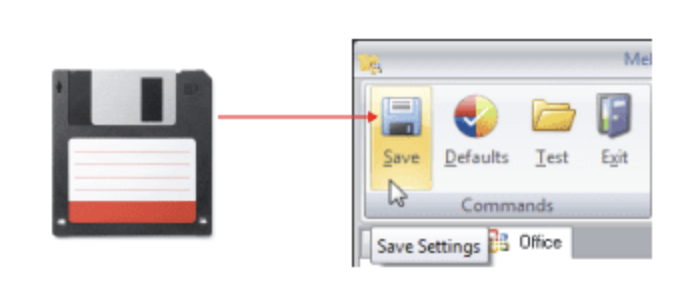
A skeuomorph is a derivative object that retains ornamental design cues (attributes) from structures that were necessary in the original. A dated example is a floppy disk serving as the ‘save’ icon on a computer screen even after primary storage transitioned to USB flash drives and the cloud.

What are skeuomorphs in your enterprise? How do they benefit or hold back the organization? A private investment bank I know uses roll-top desks in the partner’s room despite the move to more modern office decor throughout the rest of the building. Computers, cloud storage, and wireless forms of communication are mixed with slots for sorting written correspondence, ink wells, and deep filing drawers. The roll-top desk for the bank is a reminder of its heritage as a merchant shipping company and maritime history.

Ok, Let ‘Em Go

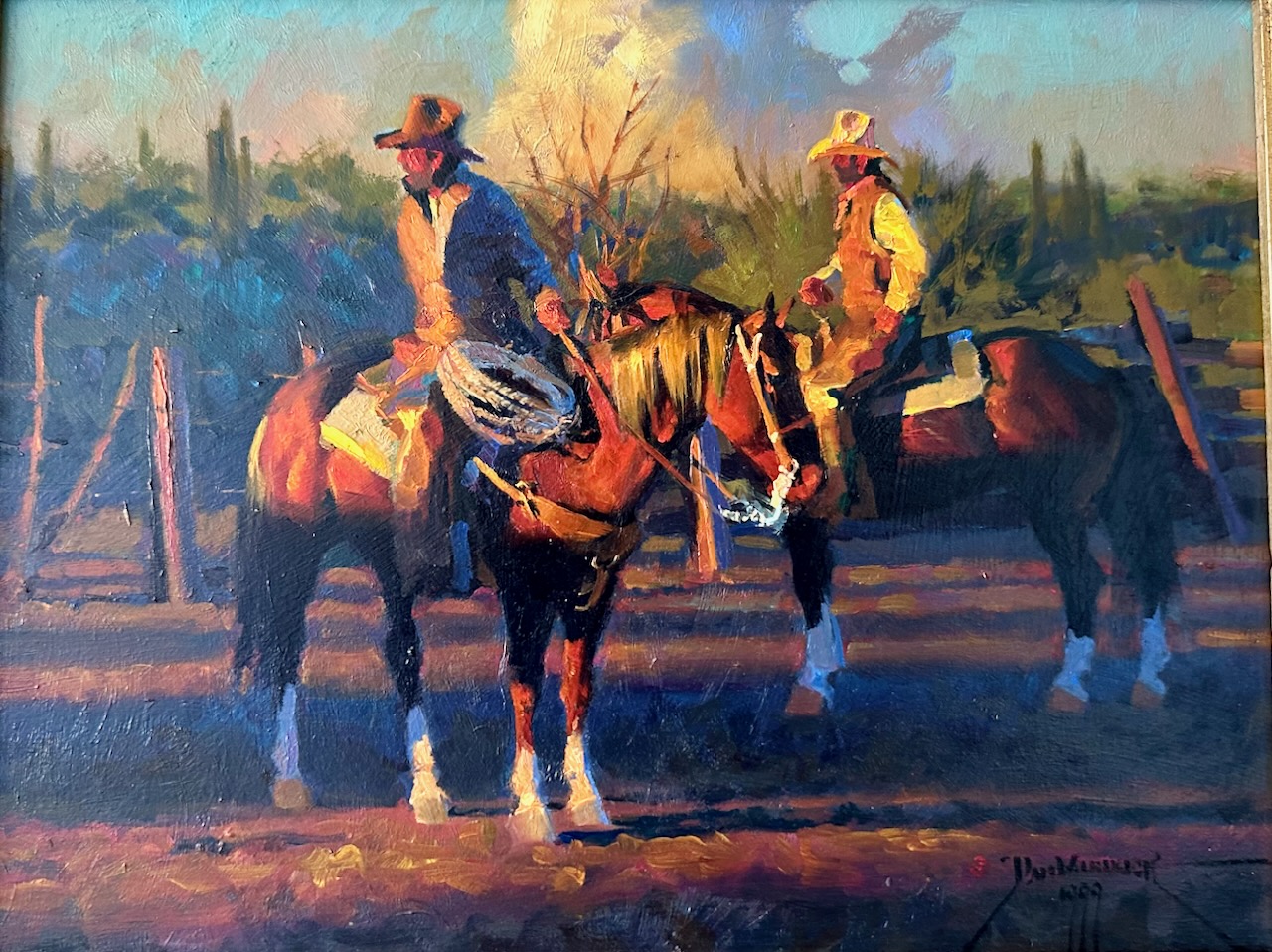
Dan Mieduch painted the above picture titled, ‘O.K., Let ‘Em Go.’ I look at it on occasion and wonder about the narrative. Did a herd of cattle or horses escape the cowboys at the end of the day? Was the stock turned out from the corral for a night to graze on green grass and drink from cool rivers? Was there a confrontation, and the adversary retreated?

It also makes me wonder what we might benefit from letting go of in our efforts. What project or area of focus has absorbed a remarkable amount of time and resources and yet fails to manifest into a viable model? What relationship has ceased to work? What interactions are taking more than we can give?

What if we let something go? What might take its place, and how might a new chapter reveal itself?