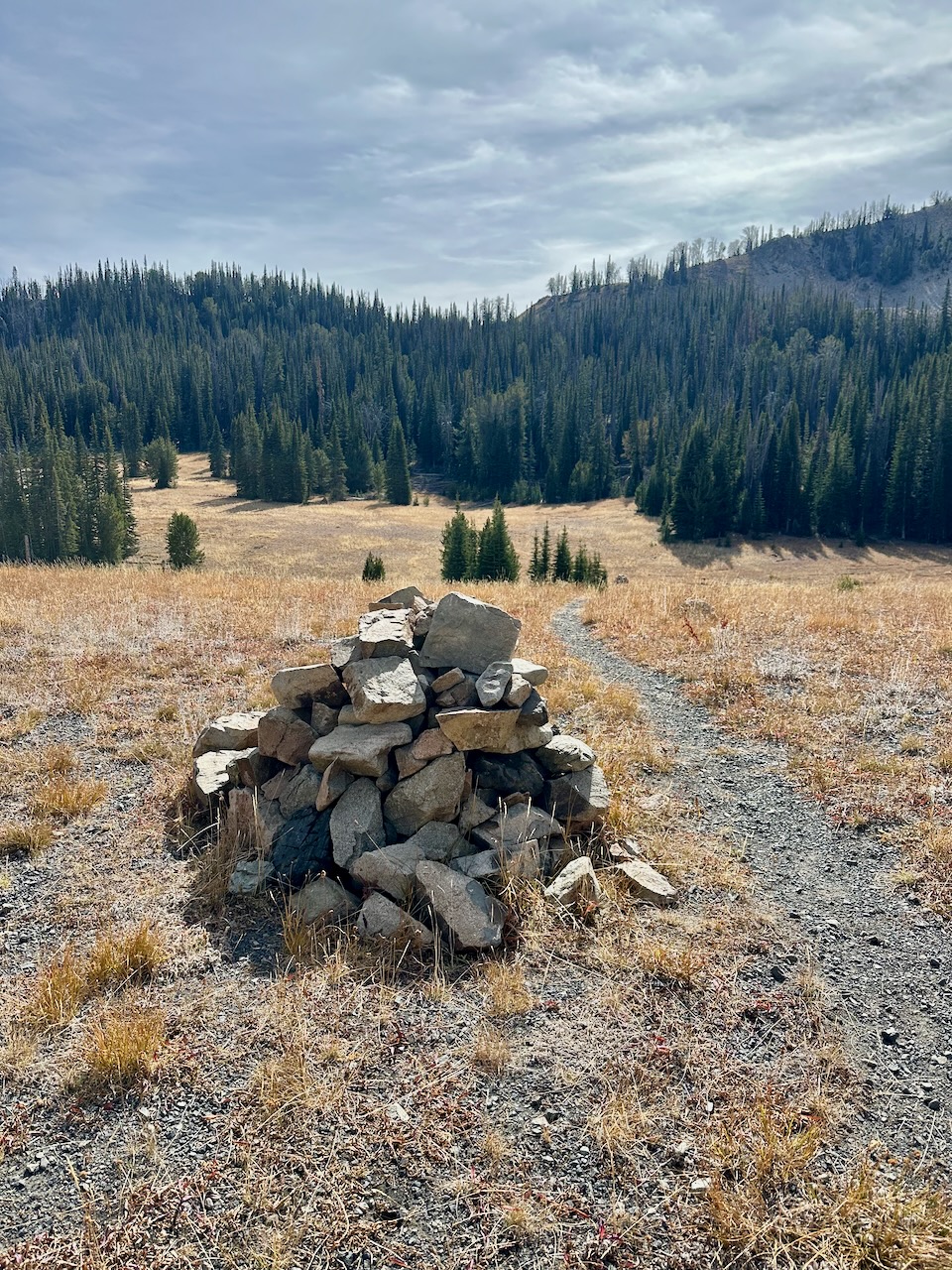
When the trail is not obvious, we can leave clues to guide those that follow. It might take effort to create a route that can be traveled by others but those who are committed will continue forward if we set them up for success.
When the trail is not obvious, we can leave clues to guide those that follow. It might take effort to create a route that can be traveled by others but those who are committed will continue forward if we set them up for success.

When does defacing a tree serve the common good? Blazing a tree was a common form of marking a route in geography where trees existed in abundance. A uniform combination of markings symbolized that this was human-made and intentional. It contained meaning and assured travelers that they were on an established trail.

Animals also used trees to mark territory, sharpen claws, or satisfy natural instincts. These markings may be considered scars, even though the animal kingdom might believe that these marks served a similar purpose to a human blaze.
How might we expand our mindset to remain curious about the features we encounter during our journey? How might we not pass up the opportunity to double-click on the unknown so we might add depth and dimension to our understanding?
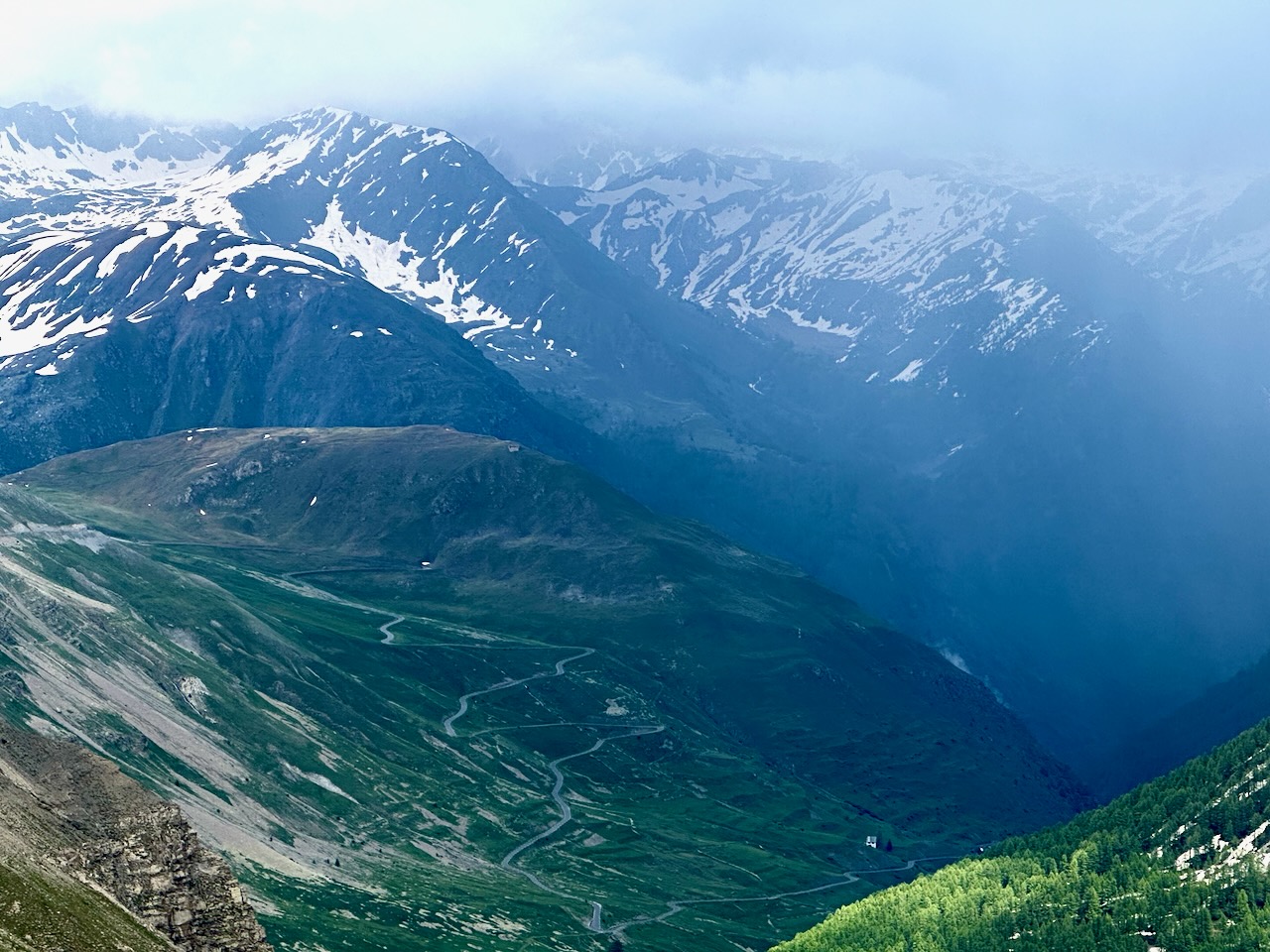
The road ahead is enticing when revealed on a far-off vista. Reaching it may be arduous, but when it exposes itself, it provides confirmation that there is a possibility for the journey to continue. Good sightlines make wayfinding visible.
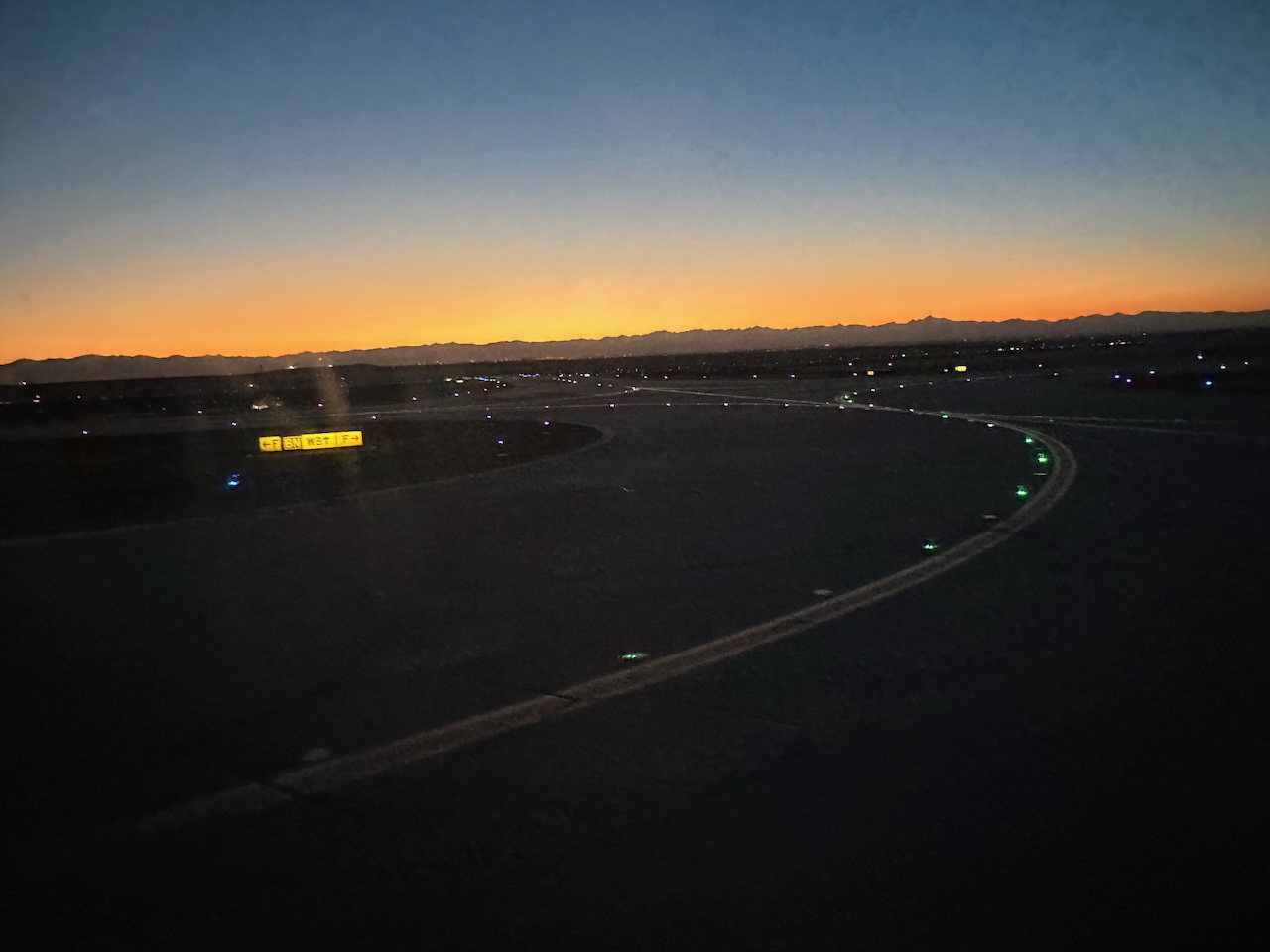
Are you more enthusiastic about the route or the horizon line? Does the idea of travel or the destination resonate more? If you could time travel to the journey in progress or the arrival back home, which would you select? Knowing our preferences influences our mindset. Our mindset prioritizes which aspect of the adventure we deem most important. All of these aspects will allow us to put our signature on the way forward.

Sometimes, the right conditions allow us to show our work, which provides a road map for those who might follow. What routes are you following, and which are you blazing?

Unless a person joins you on the trail, it is tough to recreate all we experience en route. We cannot easily replicate the moments of doubt, the dirt and grimness pressing into our skin, the awe of an unexpected vista, the frustration of missing a trail junction, and the exuberance of a tailwind and friendly grade. Our photos, videos, and narratives might capture a snapshot but do not augment reality. The most compelling way we gain a comprehension of the terrain is if we join the expedition. Thru-hikers embed themselves and accumulate experiences that add exponential depth and dimension.
The highest likelihood of supporting somebody’s understanding of the work that matters is to join the adventure and walk a section of the trail.


Somebody planned to climb Mount Massive in Colorado’s Collegiate Mountain Range. They discovered the Highland Trail was not the correct way to the summit and left a note (graffiti) for their hiking companion to save them the experience of repeating their mistake.
What wrong turns have you made? How do you share your trail knowledge with others? What mistakes are worth leaving for others to encounter on their own, and which require notification in your judgment?
How might we point out what is worth noting and not be a constant flashing amber light of ‘caution everywhere?’
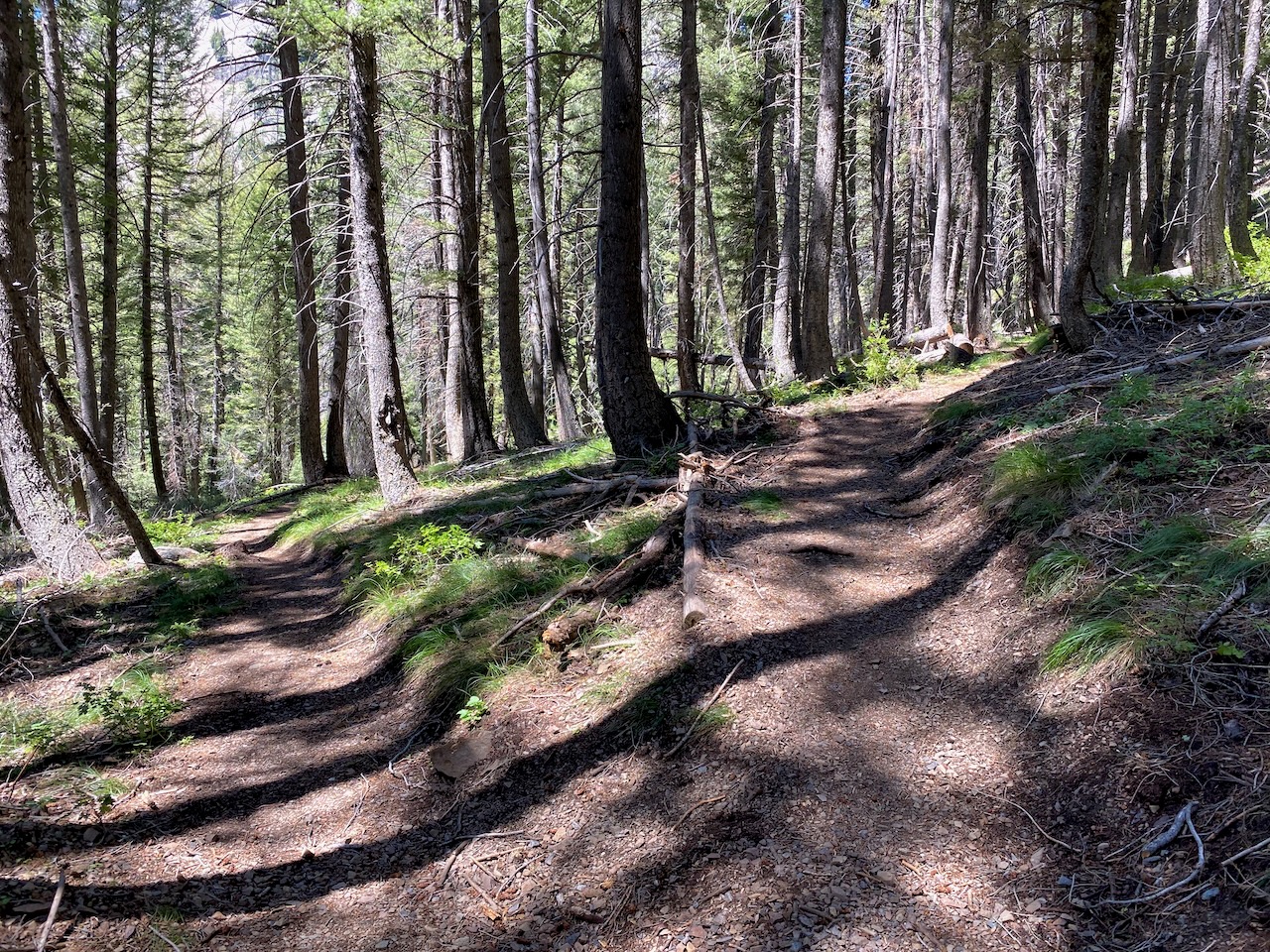
I was hiking in the Hemingway Wilderness Area of Idaho a few days ago, and I came to the first trail junction just five minutes from the trailhead. The primary intersection is unmarked, and the decision point is crucial if one wants to head towards the proper drainage and the adventure they planned. For years a signpost existed here, and somebody or something removed it. Now the lack of clarity creates a moment of anxiety for those who have not previously traveled this route. There are signs further up both trails to direct users to the appropriate peak or alpine lake.
We might think we have set up our fans for success, but sometimes we are so busy marking the summit and iconic features that we forget to check on the trailhead. We overlook the first few steps because they are so apparent to us. How might we learn from those encountering us for the first time? How might their experience help us be better wayfinders?

I find switchbacks essential to the journey. They allow me to continue at my cadence while gaining (or losing) the elevation I need to reach my objective. They also provide perspective and an opportunity to contemplate what comes next. Even when we travel away from the summit, there is a sense of certainty that we are on course.

How might we see bends in the pathway as confirmation of our progress and wayfinding? How might we embrace directional change as intentional instead of failure? How might we celebrate that the greater the difficulty, the less likely we can move directly between the departure and arrival point?

Is there a difference in our mindsets when we commence a journey that is an out-back route versus a loop? Do we prepare or even pace ourselves differently? When we know we are going to retrace our steps, we benefit in both the experience of the moment and the knowledge of the terrain we will face on return. When we take-on a loop, each turn in the trail reveals new information and a fresh challenge. A loop may benefit our sense of adventure and exploration.
What if we consider out-back options when we want to test new techniques or equipment? It provides us greater flexibility if our travels do not go as planned. What if we commit to the loops when we are strategically aligned?
How might our desire to innovate thrive based on our route choice?
 What-if-concepts