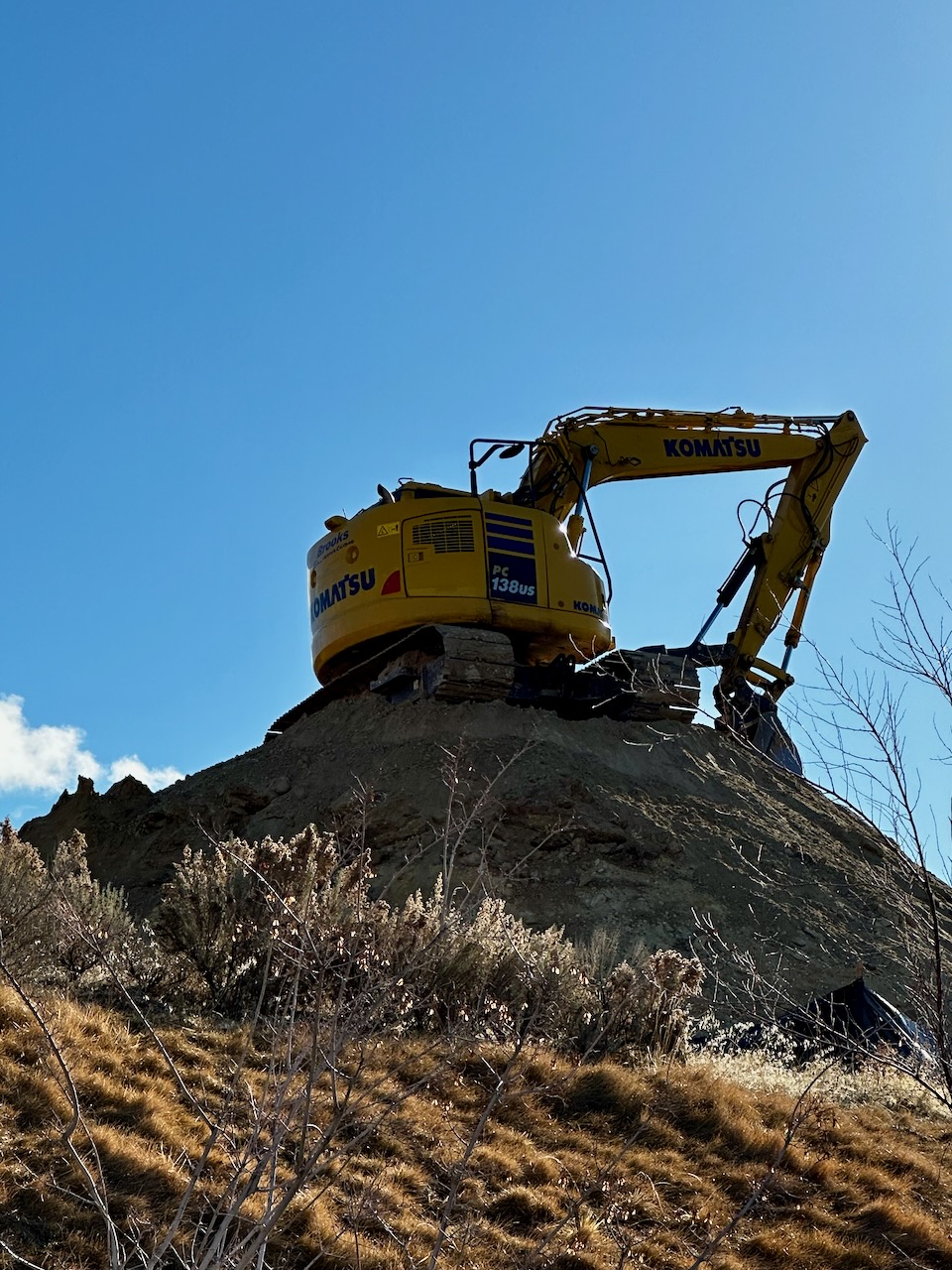
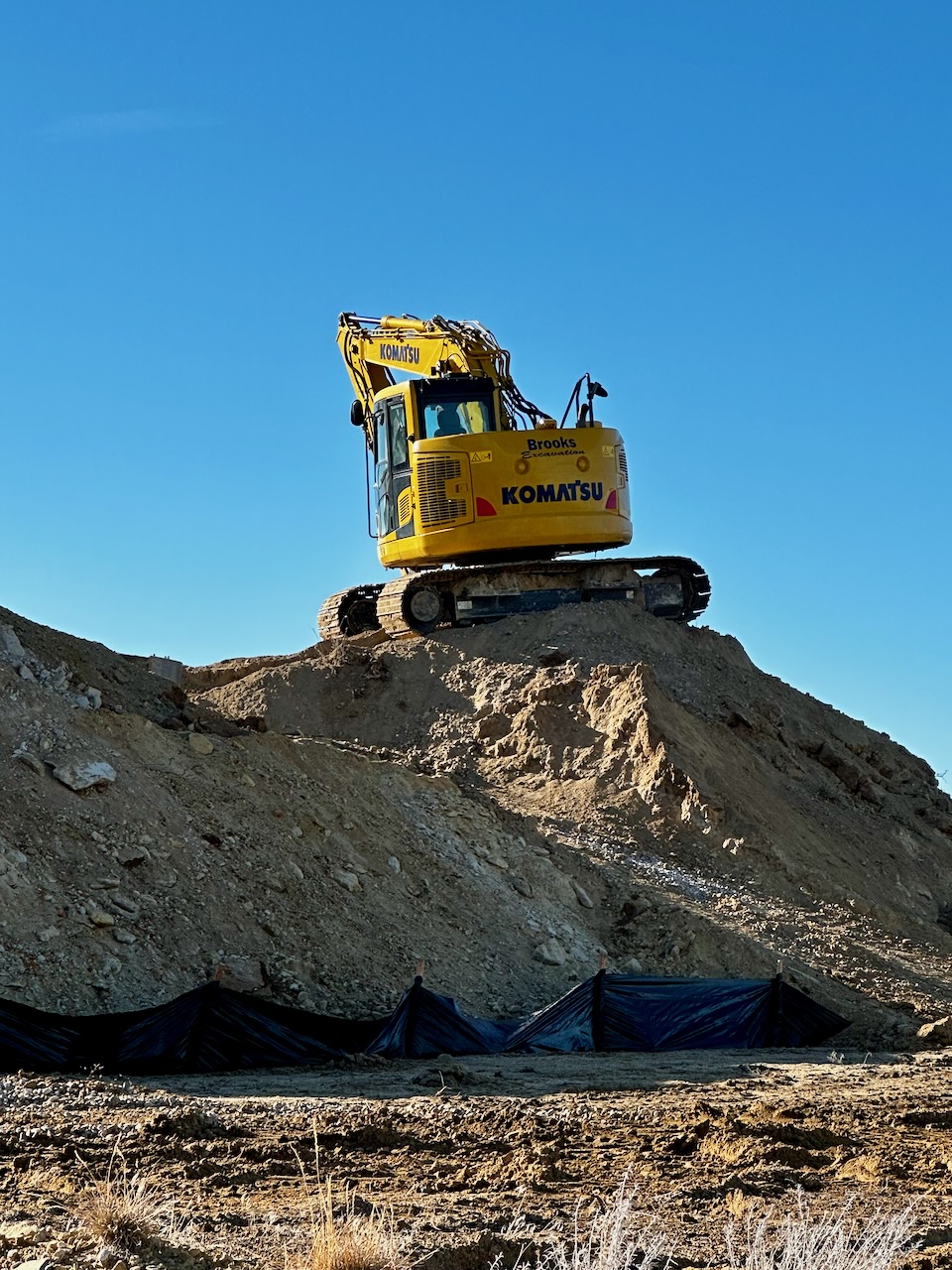
Sometimes pending improvements are visible but take time to be realized. At some point, the new bridge will replace the eroding wooden bridge just below the site of the new construction. What challenges our mindset is when the new thing is visible but not ready for use. What if the completion date is made visible, allowing future users to exchange uncertainty for anticipation?
Success
We Know What You Mean
Perspective
The direction from which we approach an obstacle impacts how we attempt to make sense of the problem. If we are committed to measuring success using data, numerical metrics are essential to our evaluation process. If we believe in the power of stories, then a compelling narrative is vital. If we seek intended impact as the ultimate symbol of success, we might be more committed to reaching the destination than visiting all the waypoints. Endurance and relevance might be our superpowers if we want to remain in the conversation.
How might we recognize that our approach to an obstacle is one of many mindsets in which it can be solved.
Keystone
What are keystone indicators that track the health of your ecosystem? In nature, the well-being of certain species has a high correlation to the overall ecosystems vitality.
What keystone barometer help us track the viability of our enterprise? Is it a key set of KPIs. A high net promoter score among donors and board members? The number of acres conserved and dollars raised?
Or is it the quality of the insights and guidance that people provide to set us up for success?
How might we be more insightful in tracking the health of our cause? How might we measure what matters?
What Problems Did You Solve in 2022
We need a prompt to share our successes. It is human nature to focus on the problems that remain in front of us and continue to capture our focus.
What is your list of problems solved in 2022?
Are The Odds In Your Favor?
I was hiking in the Hemingway Wilderness Area of Idaho a few days ago, and I came to the first trail junction just five minutes from the trailhead. The primary intersection is unmarked, and the decision point is crucial if one wants to head towards the proper drainage and the adventure they planned. For years a signpost existed here, and somebody or something removed it. Now the lack of clarity creates a moment of anxiety for those who have not previously traveled this route. There are signs further up both trails to direct users to the appropriate peak or alpine lake.
We might think we have set up our fans for success, but sometimes we are so busy marking the summit and iconic features that we forget to check on the trailhead. We overlook the first few steps because they are so apparent to us. How might we learn from those encountering us for the first time? How might their experience help us be better wayfinders?
Switchbacks
I find switchbacks essential to the journey. They allow me to continue at my cadence while gaining (or losing) the elevation I need to reach my objective. They also provide perspective and an opportunity to contemplate what comes next. Even when we travel away from the summit, there is a sense of certainty that we are on course.
How might we see bends in the pathway as confirmation of our progress and wayfinding? How might we embrace directional change as intentional instead of failure? How might we celebrate that the greater the difficulty, the less likely we can move directly between the departure and arrival point?
Frontier
As social sector enterprises, many of us work on the frontier. We address problems so big, complex, under-represented, or unique that business has seen limited ways to monetize a return on investment. So, we work at the edges of the map, cobbling together resources, scouting the landscape, engaging those with news from different geographies and cultures. It is not an romantic endeavor but a commitment of community. We invest, partner, fail, endure, and succeed.
How might we learn from the leading practices of a frontier mindset? How might we correct course before we adopt a perspective that we are first to encounter the challenge and there is only one approach to move forward? How might we set other up for success and be of service?
Cheering for Everyone

Attend a sporting event in a pre-COVID world, and when the home team takes the ice/field/pitch/floor, the fans cheer. Next, the opponent enters, and the boos and embellished chants commence. It is the way of professional sports and entertainment, or so it has been modeled.
What if the same were true for our workplaces or community activities? What if we were cheered when we volunteered for one organization, but the same group individuals cast aspersions upon us when we took action for another cause? What if we were shunned when we turned down the offer to contribute to one enterprise because we invest deeply in another organization? What if we conspired to derail outside vendors we hired to make ourselves more significant?
What is the cost of cheering for everyone as the foundational cornerstone of new interactions? Years ago, E.O. Wilson visited our community as a guest lecturer. He spent time in the local high school, giving a brief lecture and then questions and answers. No matter how poorly formed the question posed by a high school student, he directed the first sentences of his response praising the student and predicting they would achieve remarkable heights employing their curiosity in a future trade. The world-renowned entomologist wanted everyone in the room to succeed, and he cheered for them in every interaction.
What if we cheered for everyone?
How do you Measure Success?

How do you measure success? Do you employ any of the following?
- Numerical
- Evaluation
- 360-degree review
- Opinions of experts
- Crowd sourced
- Anecdotal
- Specific metric
- Correlation to market average
- Progress against strategic plan
- Leader board
- Happiness
- Ability to achieve organizational values
- Arriving at the selected destination
A Harvard Business Review article by Michael J. Mauboussin outlined specific business success theories. Inc. Magazine published an article titled “7 Ways to Measure True Success.” And, Influencive provided a synopsis of “11 Ways to Think About Measuring a Company’s Success.” Among the options, there appears to be no one universal measurement. So why not customize your own? Build a success equation. If we are going to create and nurture our organizations’ purpose, vision, mission, and values then perhaps we should invest in creating our own success formula.