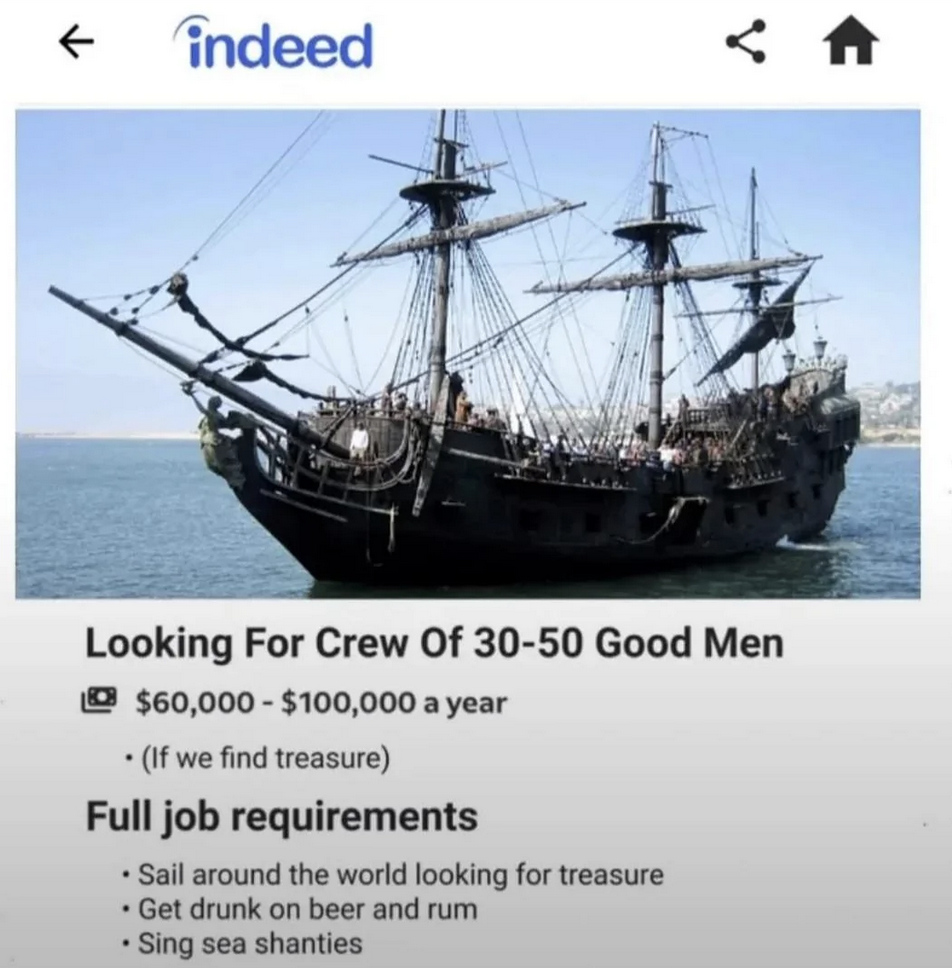
If you want people to sign up for a unique journey, being honest in your help-wanted sign forms a basis for trust. If we hide the difficult parts in our help-wanted advertisement, we might assemble a team that will fracture when we wander off course.
Trust
I Worry About Him Constantly
What map do you see that is not visible to almost everyone else? Where does your reality diverge from the conventional? Is that what makes you remarkable?
Straw Man’s Opposite
Straw men are convenient to build and easy to destroy when trying to make a point that is far removed from the facts. They are an unfaithful way to summarize a debate. A steal man takes commitment. It is suggested that a good steal man conversation included the following: 1. A re-expression of the other sides point of view that is truthful to their mindset. 2. An accounting of the ways in which you and the other side agree. 3. A listing of the ways the other side has taught you something new. 4. Finally, a rebuttal with an expression of the points on which you disagree with the other sides point of view.
Straw men can be assembled and obliterated with almost no care. Steal men take an investment of time and thought. A steal man conversation build trust and care. How would you respond if a person with a different view took the time to launch a steal man conversation?
Gaming the System
Checked in for a two-leg flight. Baggage fees for two bags total $100. Upgrading to First Class was $80 (total for both legs), which included two free checked bags. I suspect the pricing is generated by an algorithm (AI). There is limited demand for First Class, so the upgrade price remained low. Baggage fees are fixed and increase based on the number of checked bags.
What inconsistent messages does your enterprise communicate? Is it transactional (airline baggage fees), or is it subtle? Does your organization’s value proposition humor your members or create confusion in your community? Sometimes, our quirks are what give us depth and dimension. Other times, it keeps individuals from investing fully in our cause.
Good Deals, Bad People
Warren Buffet suggested that he avoids trying to make a good deal with a bad person. A flawed individual might flourish by testing every exception within the legal instrument, even if the contract is superbly crafted.
Expanding on this notion, perhaps our enterprise should avoid adding people to the board or team if they possess a history of immoral activity and lack any sense of collegiality. Too often, an organization overlooks historical patterns to attain a single talent (money, network, influence, connections). How might we find at least three key attributes of a potential candidate before nominating them to our cause?
Being of Service
BIG ANNOUNCEMENT
Earn the Relationship
Transactional human connections might be defined as associations, alliances, tie-ups, interconnections, and links. We earn trust through authentic interactions to define our connection as a relationship. What defines a meaningful relationship to you? How do you add depth and dimension to a treasured relationship? How disconnected are you willing to stretch from someone you trust before the relationship has been repaired or fractured? Is your limit more or less dynamic than a similar journey with an associate or alliance member?
How might we recognize that we earn relationships? How might we acknowledge that we have limited bandwidth and cannot foster limitless relationships? What steps have others taken to merit their relationships with you? What super powers do you bring to a relationship?
Super
When we add a superlative to a name, it raises expectations. If we have created something worthy of an exclamation, we should celebrate. If it is a facsimile of average work, then the superlatives will not cover the obvious gaps.
How might the descriptions of our work increase authenticity and trust among our fans?
Multiple Security Sectors
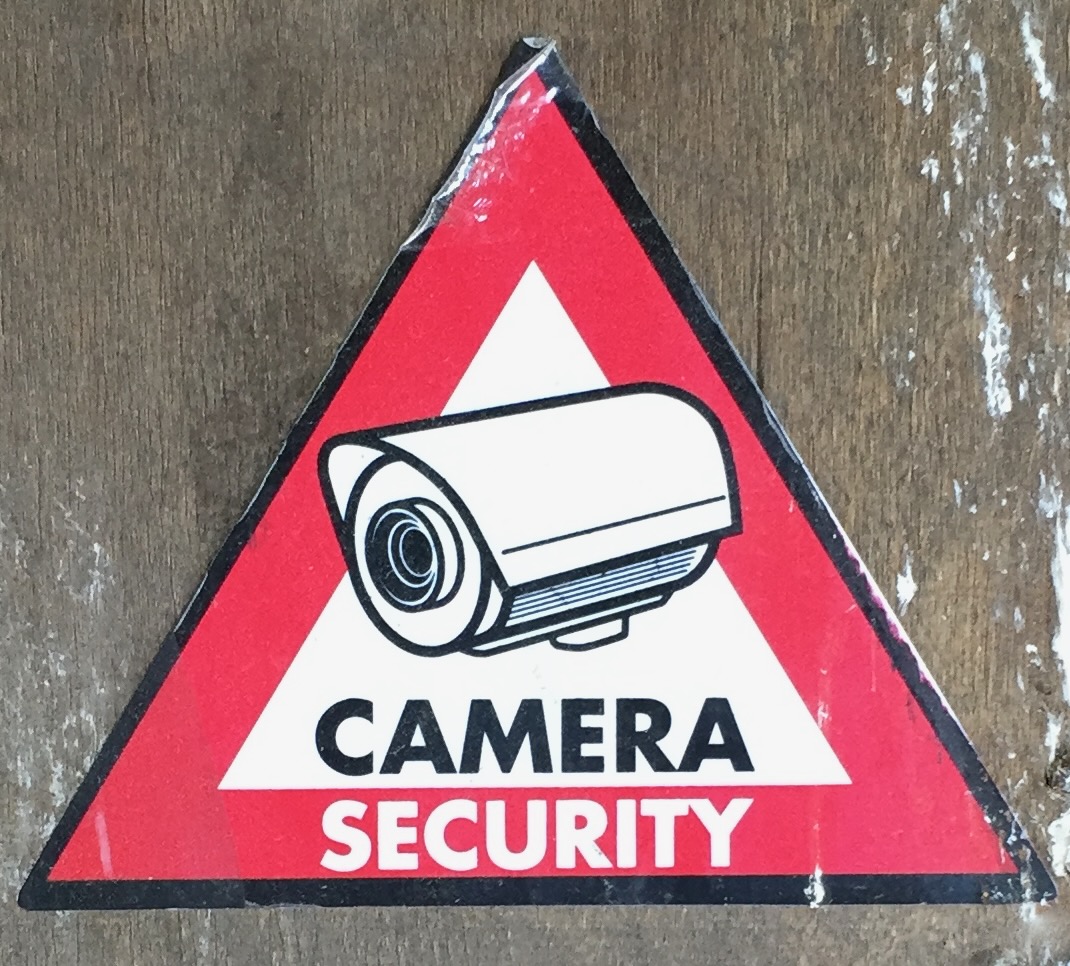
When traveling through an airport and required to navigate repetitive security sectors, does it make you feel safer or more frustrated? What deficiencies exist in the first round of screening that require a second or third round of reexamination? What is the probability that upon repeat investigation, a prohibited item or dangerous motivation will be discovered?
Multiple checks are embraced in context. Headed to surgery, multiple confirmations of the patient’s identity and procedure are appreciated. Being asked if you have accepted an item from a stranger in the five minutes between security stations brings up questions about the quality of the previous screening phases.
How might we balance providing security while establishing trust in the process?