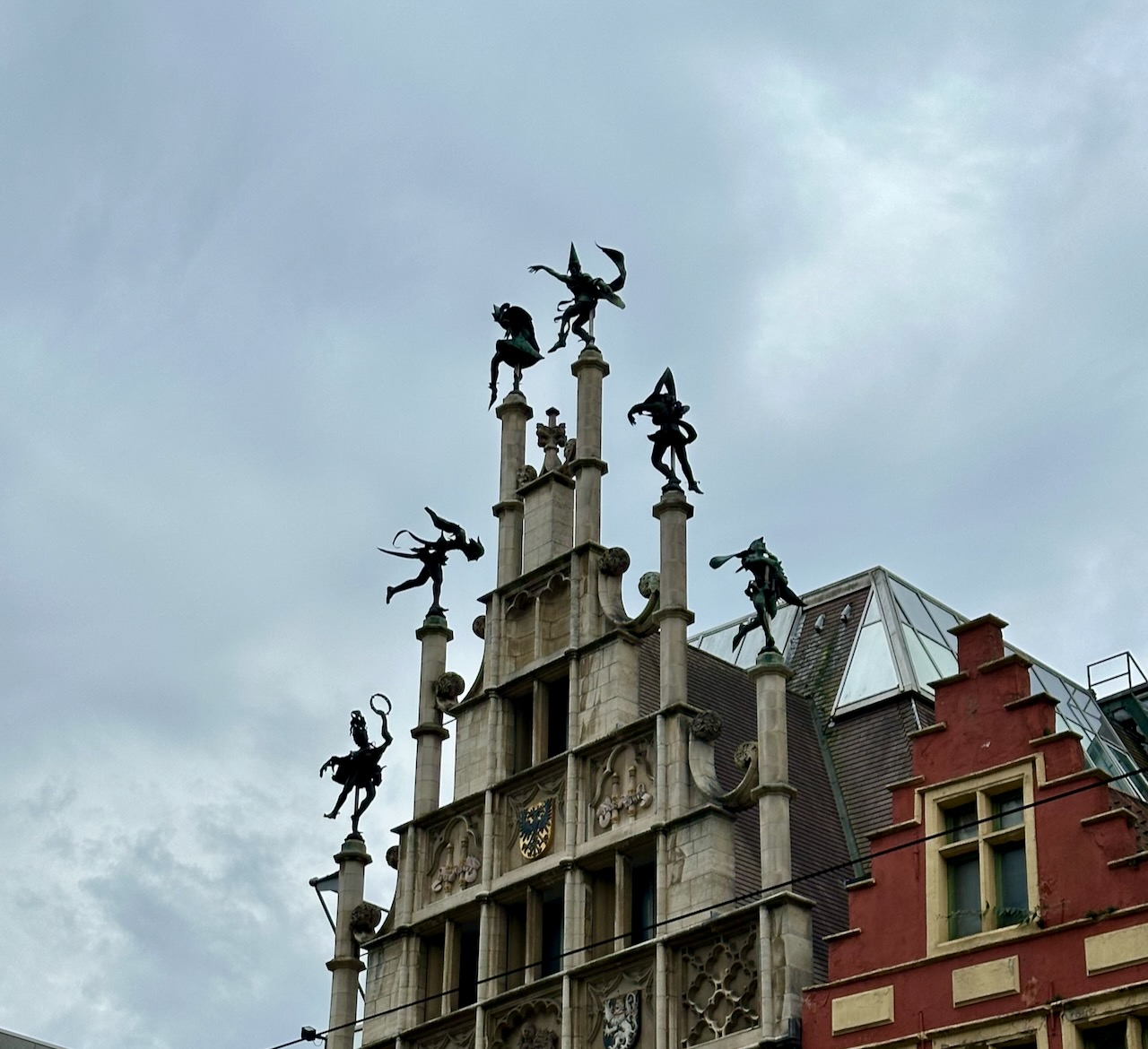
What symbols represent your work? How and where are they displayed for the public attention? If you work as a cobbler, you might hang a silhouette of a shoe over your shop entry. Is is obvious what you do for those seeking what you have to offer?
What symbols represent your work? How and where are they displayed for the public attention? If you work as a cobbler, you might hang a silhouette of a shoe over your shop entry. Is is obvious what you do for those seeking what you have to offer?

Seeing a Coors can flattened in the dirt on the side of a 4-wheel dirt road is an iconic signature of the American West. It can easily be defined as trash and littering, but for some, it is confirmation that they exist in a location that represents their values. Coors has branded itself as coming from the heart of the Rocky Mountains; seeing a Coors can is evidence.
Not all iconic moments represent our best work. They do tend to rhyme with our values and beliefs.

If you are a summer camp trip leader, taking campers into the wilderness for backpack, horseback, and fishing trips has many responsibilities. One of the primary objectives for any journey is the safe return of all those who sign up for the adventure. You and the staff must make numerous decisions starting before the trip departs (food, gear, medications, briefings, etc.) and continuing until after the trip returns (debriefing, medical reports, repair/return gear, etc.).
The campers are the priority for the trip leaders. However, you make decisions throughout the trip considering more than their desires. Campers might prefer to play Capture the Flag, but it is getting close to dark. The surrounding terrain is a rocky meadow ringed by a dense forest. The group is showing signs of fatigue, and you have been briefed that a black bear was recently sighted in the valley where you are camped. You might postpone the game to another campsite and suggest an alternative activity, or you might organize a quick round.
The best decision for maximum fun is to play the game; it might be the highlight of the summer for the campers. A potentially safer decision is to play cards and not allow anyone to leave the campsite unless accompanied by a staff member. This might disappoint the campers but mitigates the risk management exposure. Our decisions are influenced by who we are serving. As the responsible party, trip leaders might consider their training, what parents want for their campers, and how the camp’s management would respond if an incident occurred. Conversely, the campers seek to maximize the camp experience; they see the joy and happiness of a quick game in a remarkable setting.
We are continuously placed in situations where we must decide between options. The stakes of the decisions vary, and the impact of the outcomes ranges wildly. For monumental decisions, we may labor over a variety of considerations. For inconsequential choices, we probably grab and go. The more clarity we have about what we believe, what values are embedded in our cause, who we serve, and what impact we seek, the less friction, and we will get to the decision point quicker for significant choices.
What happens when your proprietorial work makes it into the public domain? What is the impact of others iterating on your creation? How does it align with your values and focus? If you believe in making the world a better place, does it matter who gets the credit? If you believe in delivering for your shareholders (or donors), is it essential that you generate a metric that shows a return on investment? What if your idea is leaked to the sector, and it is the spark that generates an unexplored way of serving those that you are committed to helping? Do you need credit, or does moving closer to your vision suffice?

When traveling as a group, how do you treat the opportunity to upgrade? It may be a bus seat with more legroom, a cafe table by the window, or an aircraft class of service upgrade. Do you take the upgrade, give the upgrade to somebody in your party who may not have experienced the opportunity, or decline the opportunity unless the entire group can advance together? What does your group suggest if one person is provided a better way of traveling? Does the quality of the upgrade matter to your group’s decision-making process?
When upgrades are offered, they are a good test of our values and priorities. There is no right or wrong, but it represents a chance for actions and beliefs to align or bifurcate.
What have been your experiences in real-time?

What rules are specific to your team? How were these rules drafted, and what was their intention? Which ones offer clarity and amplify your team’s impact? Which are vestiges of a former era that have not been amended? How do you orient new members to these local ordinances? Are they consistent with your enterprise’s values?

Michael Cane was mentored to use the ‘difficulty’ that presented itself as an opportunity. In an interview, he suggested that an unplanned obstacle can fortify the storyline.
We know some efforts are destined to fail over time. But the struggle of keeping them in the scene for as long as possible creates the tension, attention, and struggle that compels others to follow the journey.
How are you using unplanned difficulties to enhance your efforts?

Does your headquarters reflect the organization’s purpose and mission? Could we decode the organization’s values by touring the establishment that houses your programs?

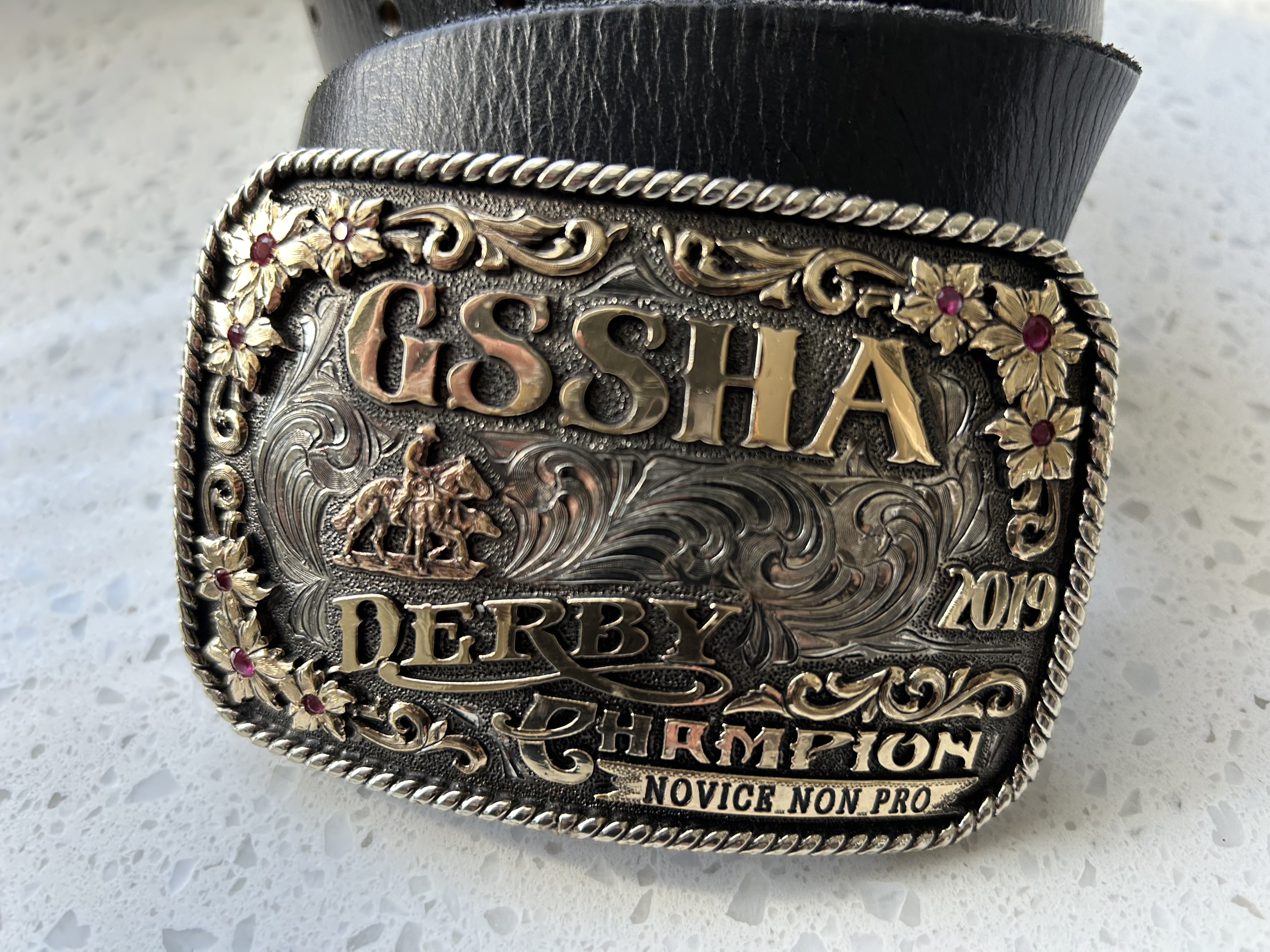
The American West cherishes a good belt buckle. It is even more admired if the buckle is won in a competition such as a rodeo, futurity, or pleasure horse event.
If you presented your team with the outline of a blank belt buckle on a sheet of paper and asked each to create a customized drawing or representation of your cause, what designs might be developed? In facilitating this exercise in organizational retreats, I have witnessed some remarkable results with symbols and icons that range from iconic to obscure.
Consider this icebreaker at your next retreat.
 What-if-concepts