wayfinding

What Are Your Coordinates?

Pursuing a different mindset to evaluate an opportunity or problem? Assign categories to the X and Y axes. Then, ask your team of decision-makers to plot their individual coordinates. Possible examples deployed as icebreakers:

Y-Axis: Innovate –> Protect X-Axis: Boost –> Undervalue

Y-Axis: Remarkable –> Indespensible X-Axis: Oversight –> UnScripted

Y-Axis: Trust –> Authenticity X-Axis: Passion –> Reliable

Confidence and Perception

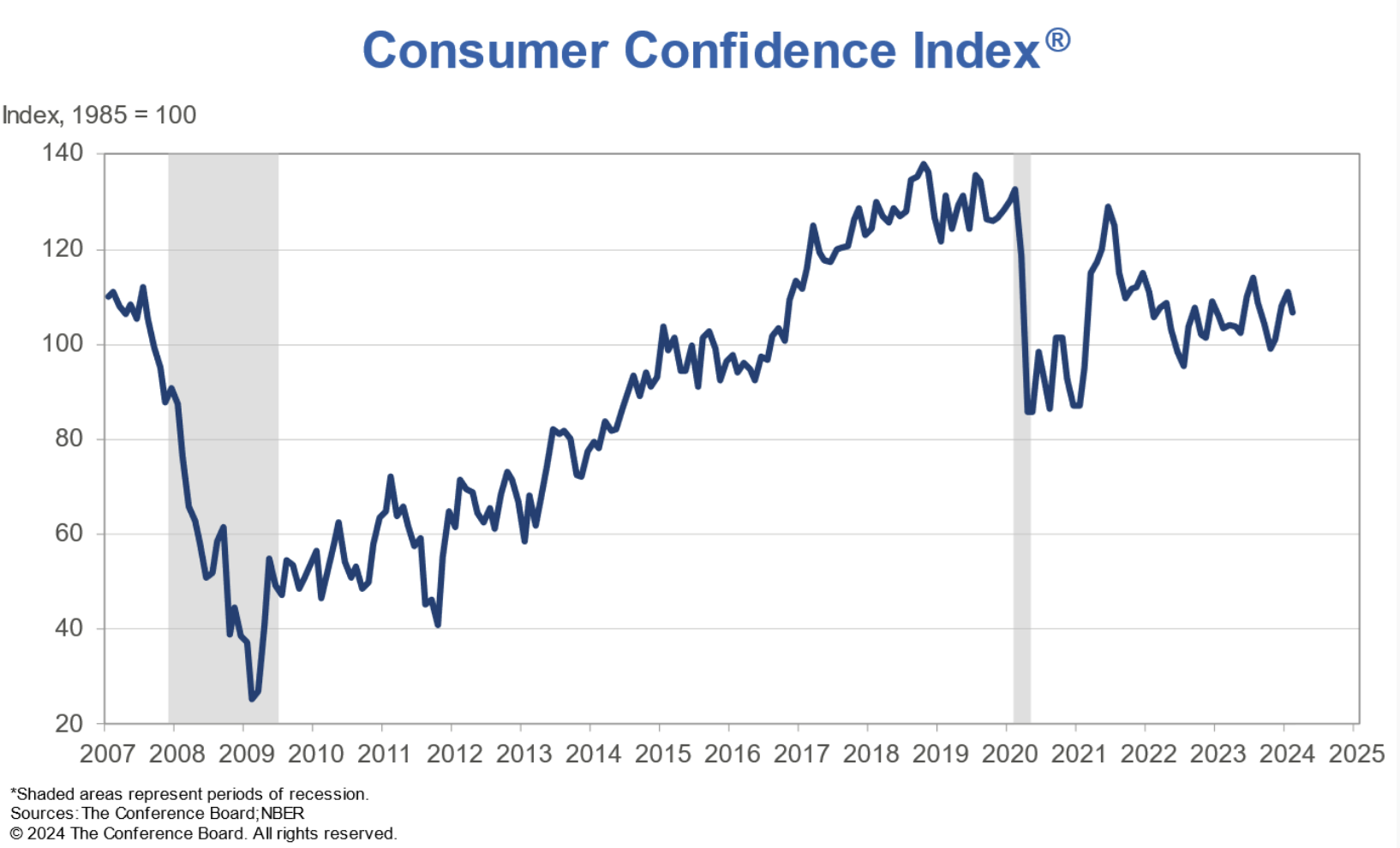
Despite all the economic data accumulated and monitored, the emotional perception of the economy is gathered in a few reports; the Consumer Confidence and Survey of Consumer Perception reports are headline examples. These are reminders that despite economic indicators pointing in one direction, the consumer’s emotional state may be uncoupled from economic trends.

How might we incorporate the perception and confidence of those we serve into our deliberations? Few dashboards capture the human element, instead prioritizing headline numbers. Enrollment might be increasing, but the trust we anticipated we were building is actually eroding the foundation. Our assessment of an enterprise’s progress (or regression) may be forecasted by anecdotal narratives before the data quantifies the disruption or delight we have generated.

The Middle = Results

The take-off and landing of an over-sea flight might get the most attention, but the cruise portion of the journey is where the distance is covered. The middle portion of our journeys is often overlooked, but it can have the biggest impact. A tailwind might push a commercial airliner to exceed 800 mph. A headwind and diversion for weather can create extended delays.

How might we recognize when we are in the middle portion of our journey? This is an opportunity to do the work that matters.

Contrast

Contrast is what makes us stand out. It reveals ideas we might miss the first time we encounter an idea or opportunity. When we play the Where’s Waldo game, Waldo appears simple to find when introduced alone on the book’s cover. However, inside the book, Waldo is camouflaged when embedded in the images.

How might we leverage contrast to add depth or dimension to future deliberations?

How Do We Know Where We Rank?

Without awards, how would we know where we rank? How do you measure progress? Do you wait for the annual award show to allow for recognition or disappointment? What if you only have your personal results to use as a measurement? What if you only get a data report once a year? How long does an award sustain your efforts? Are you still talking about an elementary school spelling bee victory, a middle school track and field win, a high school team victory, a college academic achievement, a workplace honor from an accrediting agency, or the nod of appreciation from a co-worker? Awards have a shelf-life unless they are extremely rare (Noble Prize, Olympic Gold medal, World Championship). Awards might be waypoints to acknowledge and re-energize our efforts, but they cannot nourish or sustain us unless high school is the highlight of our lives.

Refresh

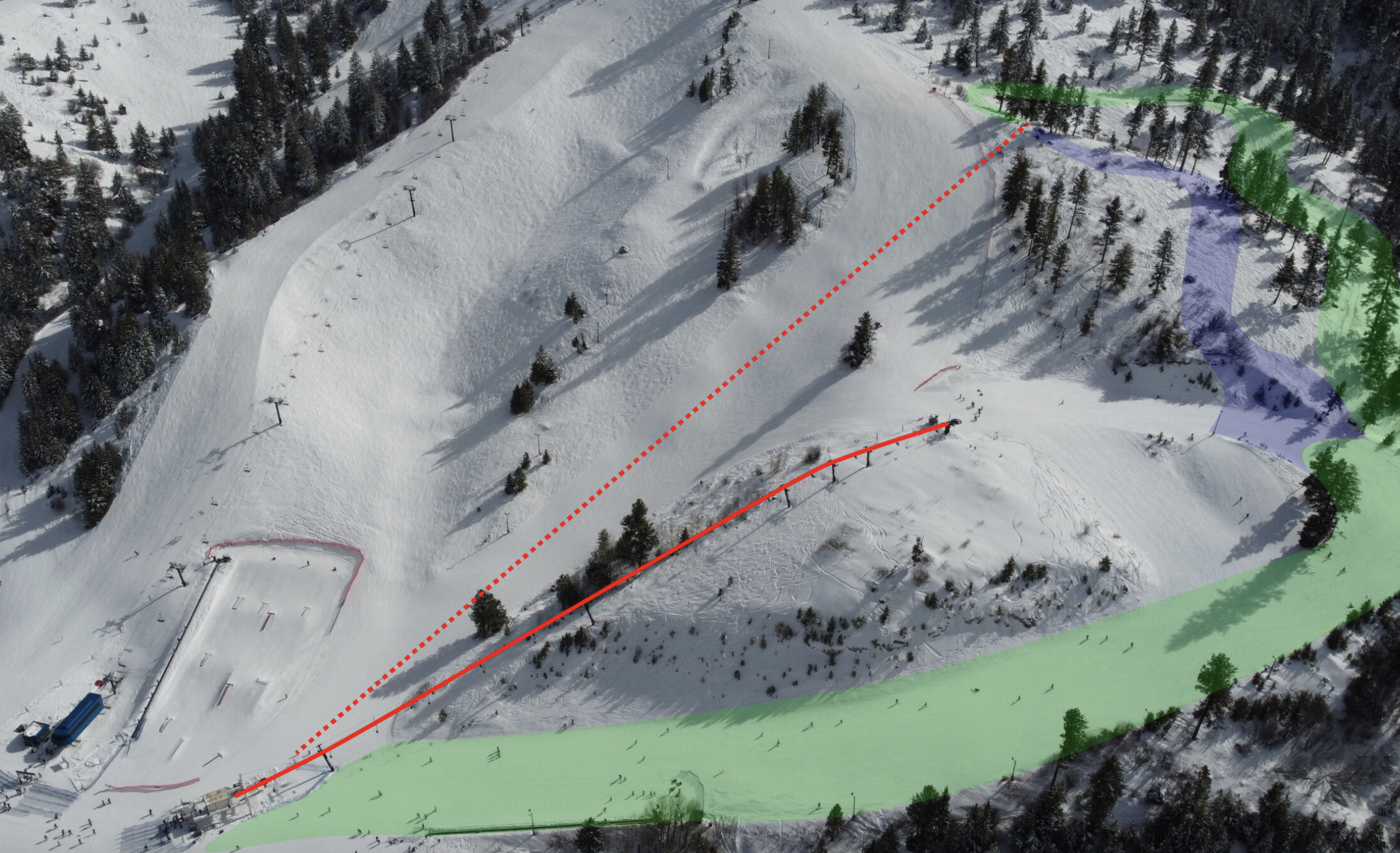
Bogus Basin Ski Area- Proposed new lift dotted line. The existing lift represented as solid line

When rebuilding a ski lift, placing the lift towers in the same locations as the original version may not be necessary. Reconstruction is a chance to reimagine how the ski lift functions and even alter the impact of the ski lift. The first ski lift was constructed in the low point (valley) of pioneering ski runs. The thinking was skiers would gravitate to the ridges to make their turns. Skiers, acted on by gravity, naturally returned to the canyon portion of the ski run and inevitably dodged lift towers that occupied the preferred fall line. So, the ski lift was reconstructed on the ridge lines, reversing the original paradigm.

How might we utilize reconstruction to update our alignment? What if we are expanding the size of the board? Do we seek weak ties to broaden representation on the board, or do we double down on the skill sets and attributes currently serving the board? What if a key partnership changes? Do we find the next best organization to fill the vacuum, or do we review the program and assess future needs before moving forward? How do we remain curious, even when we have invested in a functional platform?

Alternate

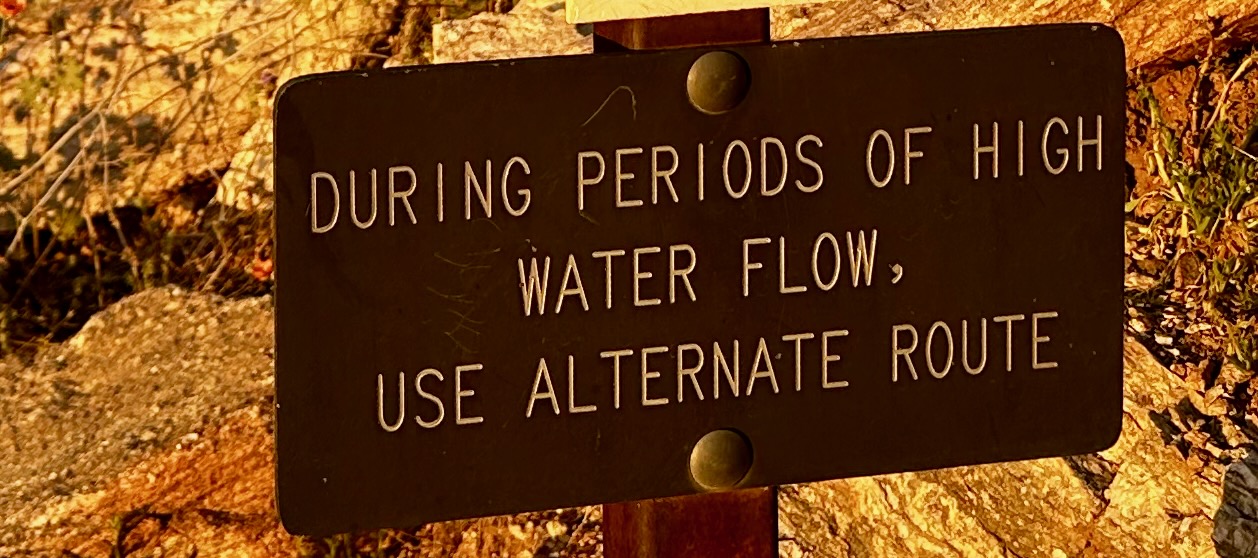
Alternate routes, alternate team members, and alternate itineraries are not for everyone. It is the road less traveled, a side track that reinforces the primary route and, by name, implies it is less significant. However, it gets us further down the trail if required. Consider all the Olympic and World Championship events where an alternate team member is sitting on the bench, at home, or competing at a secondary event. These remarkable individuals were one place away from making the team. They were tantalizing close to being in the game. Due to their consistent presence, insights and support, they are a catalyst for the selected athletes.

Who are your organization’s alternates? The individuals not on the staff or the board but who can jump in when necessary. The substitute teacher that fills in for any absent teacher. The volunteer who can jump in at the last minute to engage with donors or run a checkout station during the big gala. The former staff member who knows how to coax a report from an aging software system. Having highly competent reserves ensures your enterprise continues its journey even when an alternate travel route is required.

Wayfinding the Letter Search

Wayfinding parallels solving the New York Times Letter Boxed game. There is no perfect solution; sometimes, we rely on patterns we encounter in other parts of our journey. We are endeavoring to stay in the game, relying on what we can achieve now, even if it is a three-letter word, to reach the next attempt. Solve the puzzle in one remarkable turn; you are a genius. Complete the game in five guesses, and you are a player. If it takes six or more turns, you are still in the game and acquired knowledge that will serve you well in the next chapter. Even when we backtrack and undo a previous guess, we still navigate toward a waypoint that moves us closer to delivering the work that matters.

Fragments from the Road

Unless a person joins you on the trail, it is tough to recreate all we experience en route. We cannot easily replicate the moments of doubt, the dirt and grimness pressing into our skin, the awe of an unexpected vista, the frustration of missing a trail junction, and the exuberance of a tailwind and friendly grade. Our photos, videos, and narratives might capture a snapshot but do not augment reality. The most compelling way we gain a comprehension of the terrain is if we join the expedition. Thru-hikers embed themselves and accumulate experiences that add exponential depth and dimension.

The highest likelihood of supporting somebody’s understanding of the work that matters is to join the adventure and walk a section of the trail.

Any Stick or That Stick?

Are you seeking any stick on the trail or a specific stick? Sometimes, any stick will do. Trying to start a campfire, kindling and branches of different sizes are welcome. If you need a walking stick, the optimal length and width narrow the potential inventory. Looking for something long enough to rescue a friend who has fallen through the ice, we might try anything we can grab. For an artistic door handle to serve as the finishing piece on a custom-made door, the criteria increase exponentially.

When any stick will do, there is a limited need for evaluation (snake or stick?). When higher-order decision-making is desired, consider drafting a strategy screen (a key step in David La Piana’s The Nonprofit Strategy Revolution framework). Developing filtering statements that guide future decision-making is best done in advance instead of under the pressure of a deadline. If we replace sticks for initiatives, what follows is a potential start to a strategy screen (customization of this template is encouraged):

  1. Is the initiative aligned with our Magnetic North (Purpose, Vision, Mission, and Values)?
  2. Is the opportunity consistent with the strategies outlined in our strategic plan?
  3. Does the initiative benefit our customers? Does it help us be of greater service?
  4. Does the opportunity leverage the trust we built with our supporters and community?
  5. Is our cause committed to doing the work that matters to launch the project?
  6. Does the opportunity enhance our connection to the community we serve?
  7. Are we replicating or duplicating a similar initiative curated by one of our partners?
  8. Do we have the resources to manage the opportunity (staff, fiscal, facility, expertise, etc.)?
  9. What is the evaluation of the risk management exposure?
  10. What is the length of the commitment?
  11. What is the geographic service area the initiative covers?
  12. If the initiative launches successfully, can we sustain the project?
  13. How might we unwind the endeavor if necessary?

A side benefit of the strategy screen is that if you represent an organization that is on the receiving end of frequent requests to launch and partner new programs, share the strategy screen with the individual proposing the project. Explain that these are the criteria that the decision-makers (staff, board, membership, etc.) will use to make an initial evaluation of the initiative. It makes the decision-making process more transparent, and the advocate may have insights on answering specific strategy screen questions. 

Lastly, I recommend using the strategy screen like a street light, applying green, yellow, and red coding as you answer the screening questions. All green does not mean proceed, nor does a single red light mean the initiative fails. The screen represents a guide to support your cause’s best decision-making and enrich a culture of curiosity.