
When change is visible, it is remarkable. It may not alter our course but we might prepare in advance for the conditions that follow. How do you respond when change is visible on the horizon?
When change is visible, it is remarkable. It may not alter our course but we might prepare in advance for the conditions that follow. How do you respond when change is visible on the horizon?

What if we ride off the map? What if we explore places that we just encountered in the territories ahead? What if we let the road/trail take us somewhere? Does it increase the journey’s value or diminish our experience?
When was the last time you traveled off the map?
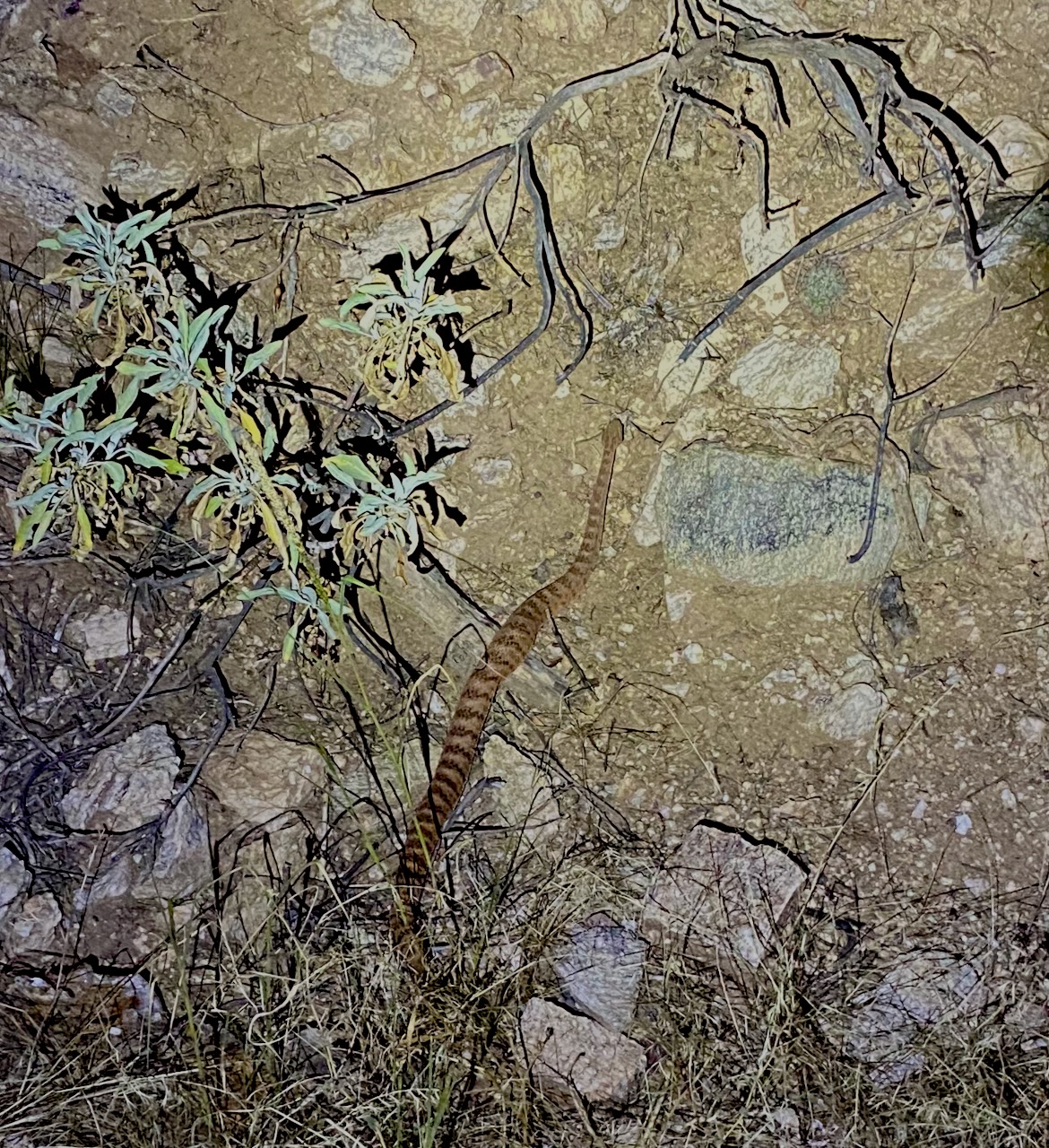
Sometimes it is not until we ask the right questions that we consider all the opportunities and challenges. Like wearing a headlamp during a hike. We do not always know what we might encounter. When illuminated, objects grab our attention that we might otherwise pass without notice.

Somebody had to figure out how to put in the first path. Then it the trail was updated and perhaps improved. Maybe another individual found a better route. Eventually, a group decided to construct a road. It was not easy, but now buses, cars, and cyclists pass without considering the obstacles.
What paths have you blazed or improved? What is their impact? Does anyone notice anymore? If they are well-designed, perhaps the purpose is not to point out what was near impossible during construction.

Do you climb to see what is above? Not a right or wrong approach. An option. This may be one of the countless choices we encounter. Some add depth and dimension to our journey. Others require decision and and move on without reflection.
What decisions remain in the stories we tell?
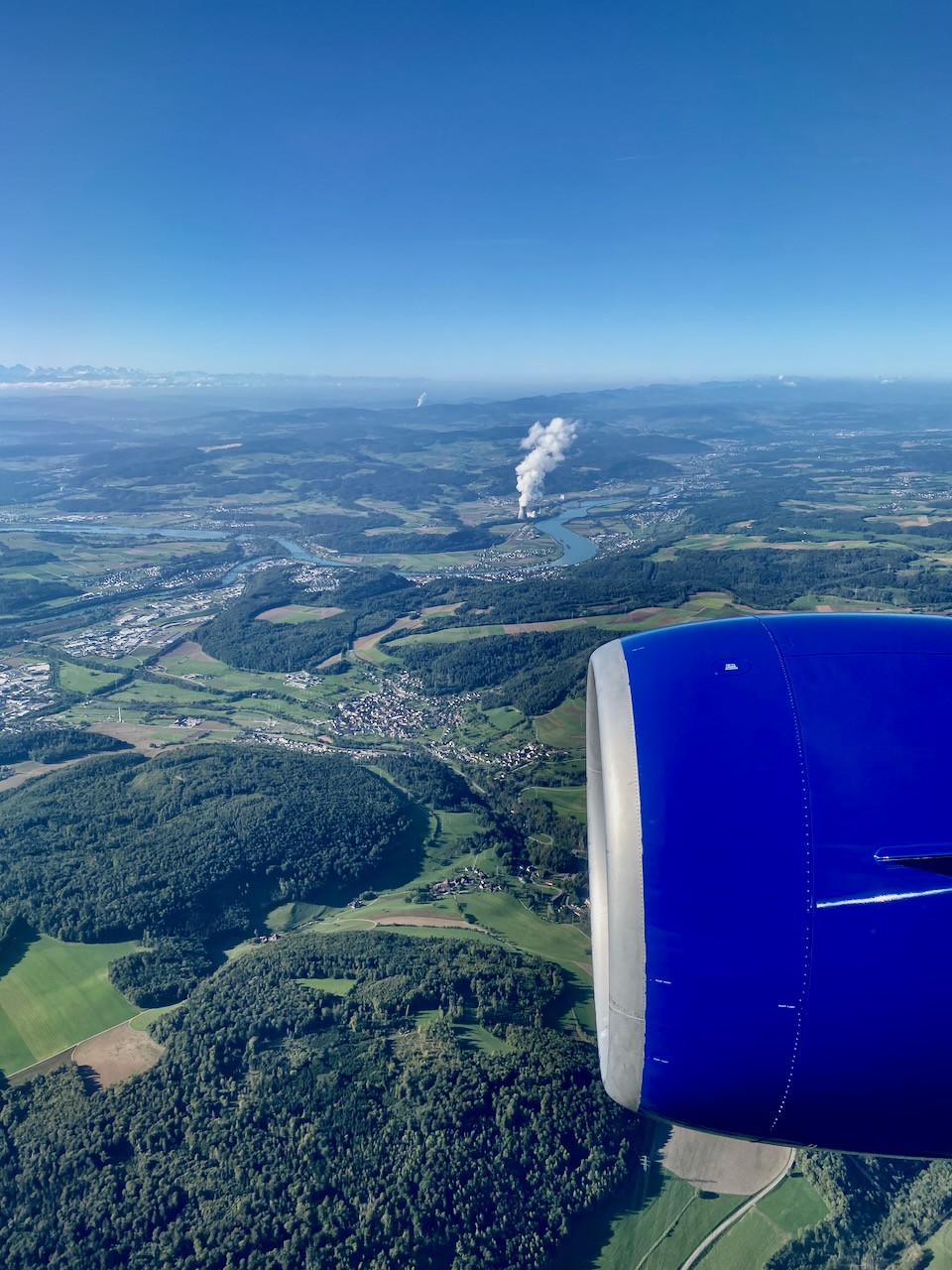
Energy comes from numerous of sources. It is easy to take it as an absolute, there will be power when needed. It is omnipresent. However, how we channel it becomes the question. It can propel us across the sky, turn on our lights, move us across open ground, or focus our attention. How might we direct our energy sources to have the greatest impact?
I have re-framing the act of strategic planning as an energy management plan. There is much we can work on, but where we direct our output is a critical decision.
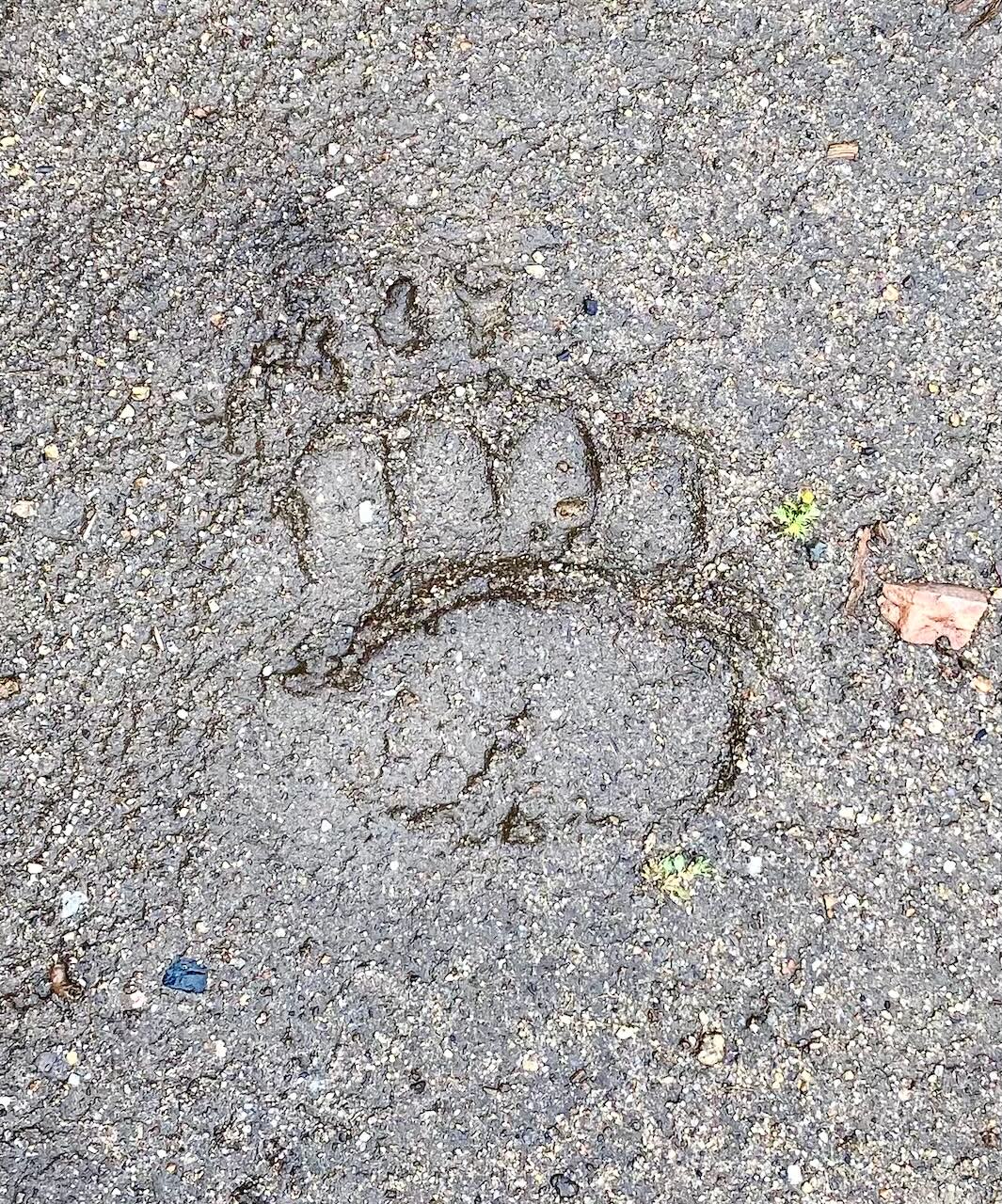
I was out for a morning run in Wyoming. It was rainy and low clouds hung in the valley. I decided to deviate from the main gravel road to a 4×4 track that led into the hills. After four strides on the muddy surface, I noticed animal prints. Quickly I assessed it was a grizzly bear, the claw marks at the top being the most evident. I decided I did not need to run into the woods, charging up behind a grizzly that was out for a morning forage. So I changed directions.
Further out the main gravel road, I encountered a bull elk standing on a high point just off the road. He eyed me as I progressed towards his elevated position. The elk turned and faced me, still a reasonable distance away. After a loud haunting bugle, he started trotting in my direction. I quickly recognized that I was a threat and decided to change directions again. I ceased the unintended battle for the high ground without thought and retraced my steps.
We do not always know what we will encounter on our adventures, and we can possess enough clarity about the work that matters to decide when to proceed and when to find another path. Changing directions is not defeat; it is the reality of navigating, and it does not always take bear tracks and aggressive elk to shape our new path.
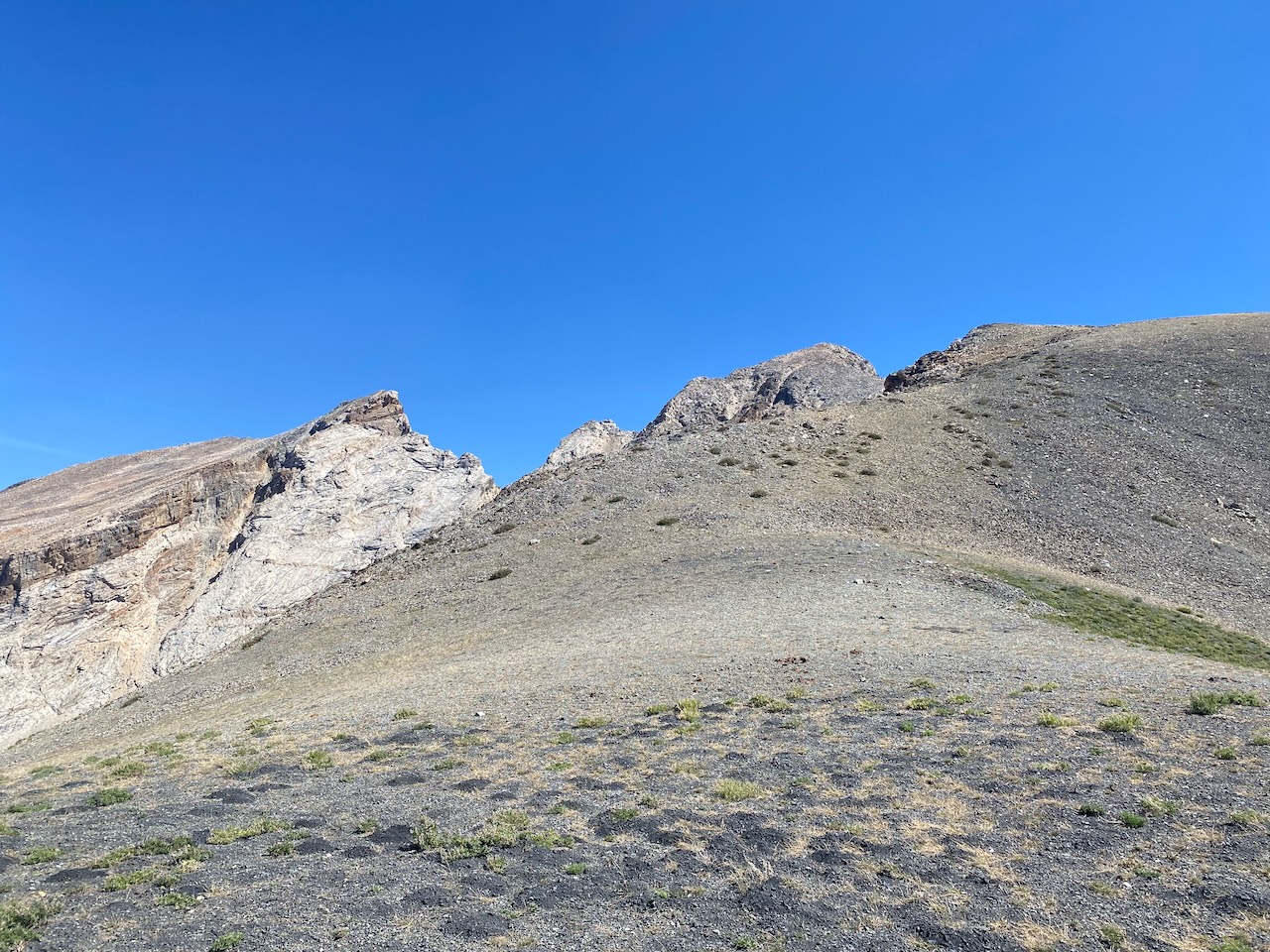
We cannot always see the route to the summit. It might be visible on our map but not from our current location. Does that mean we abort the peak ascent? If we are committed to the journey, we move forward, wayfinding as we encounter each obstacle while focused on keeping ourselves oriented to the summit. Even when we lose sight of the pinnacle, we ascend, knowing the journey will forever change the context of the work that inspires us.
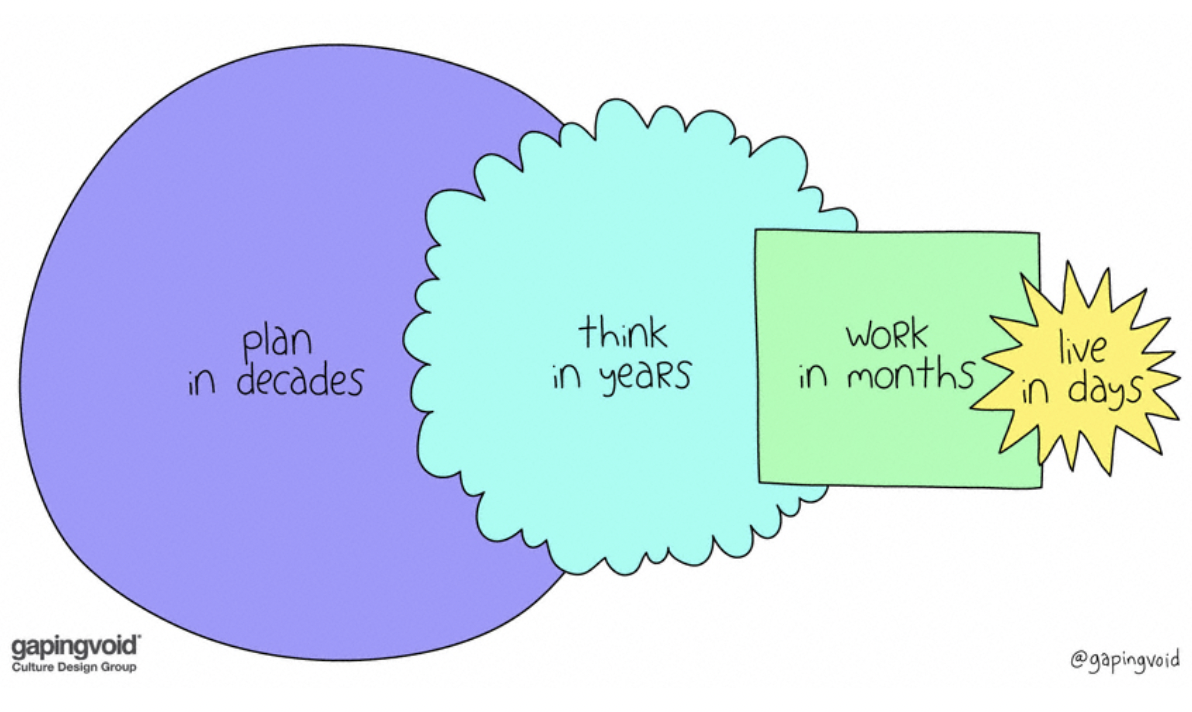
Gapinvoid’s compelling insights on planning. Well stated and relevant to all. Most important, not planning in any form is the strategy certain to fail.
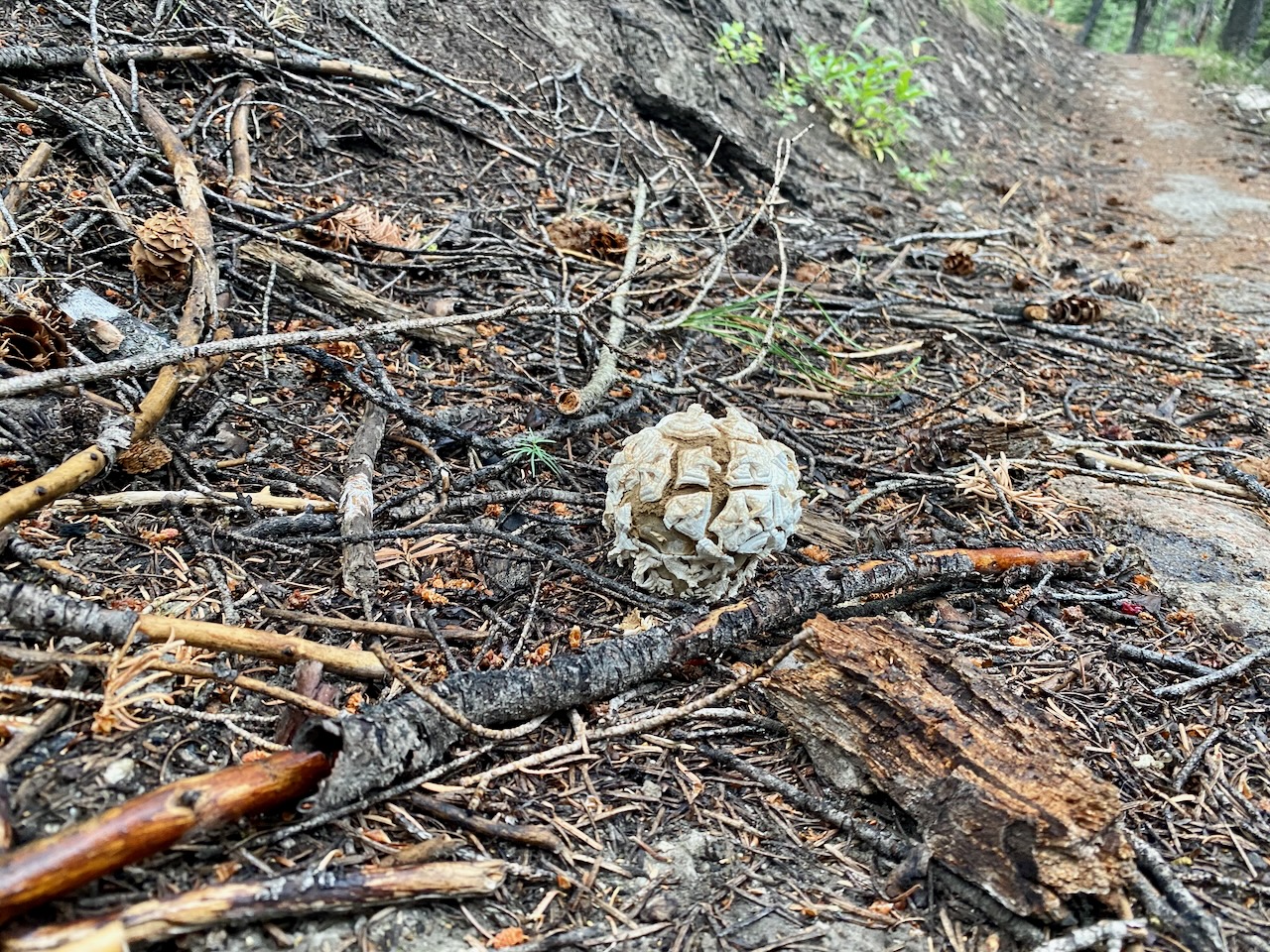
How might we position ourselves when we are ready to do the work that matters? How might we adopt outward signs and symbols so that those who encounter us know that we are ready to engage?

