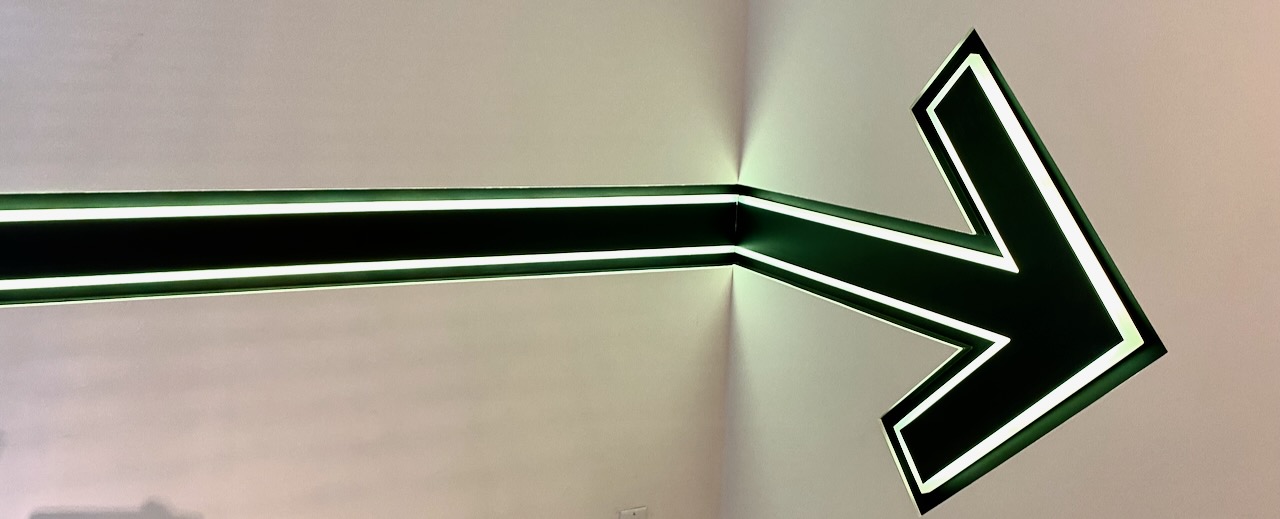
Where we are headed might be a point on a map, a compass heading, a vague description, or a point on the horizon. It is easier to consider our course and endurance when the destination is visible.
wayfinding
Legacy
Crossing Obstacles
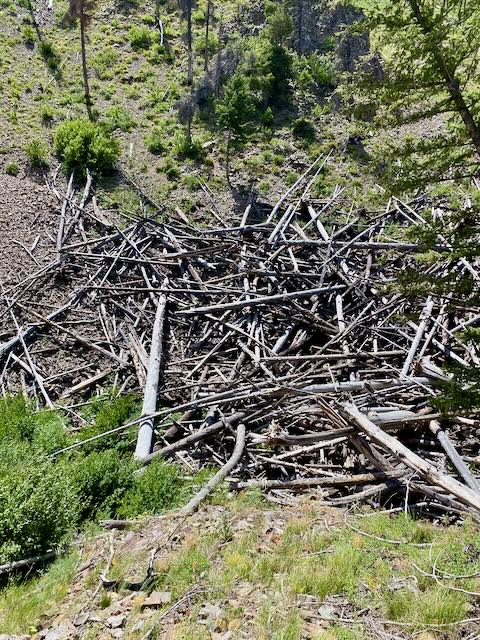
If those who go before reduce the number of barriers, those who follow are likely to continue on the route. From clearing a path to leaving key insights or providing context, the journey can be enhanced by those who show care and concern. That said, we might be selective about which obstacles we remove, as some are necessary for the path to be remarkable.
Landmarks Define Our Quest
Encountering a landmark provides a sense of progress and distance covered. The occasional threshold or roadside mile marker gives us the ability to note that our journey advances. These notable transitions are chapters to the narrative that defines our quest. Note them and celebrate reaching each one.
Abandoned or Well-Used
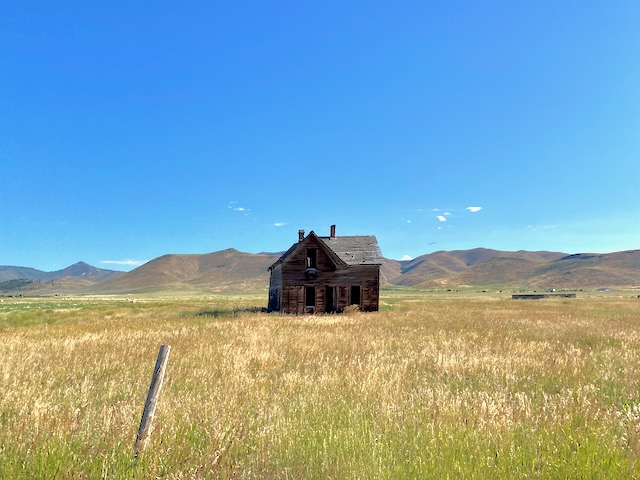
What is the difference between abandoned and well-used? It isn’t easy to decipher if an object represents a previous generation’s work or a real-time activity. If we embrace an empathetic mindset towards the end-user we serve, we might help orient those who encounter our work. Abandoned and well-used tokens both have stories; the question is how we provide context for the narrative.
Journey Amplified
If we can see where you travel from, it allows us to connect in a more meaningful way. We can add dimension to your travels if we know the terrain you covered. It is easy to point back to the direction you came from and expect others to comprehend the details. If you add details, it provides more depth and detail.
Context
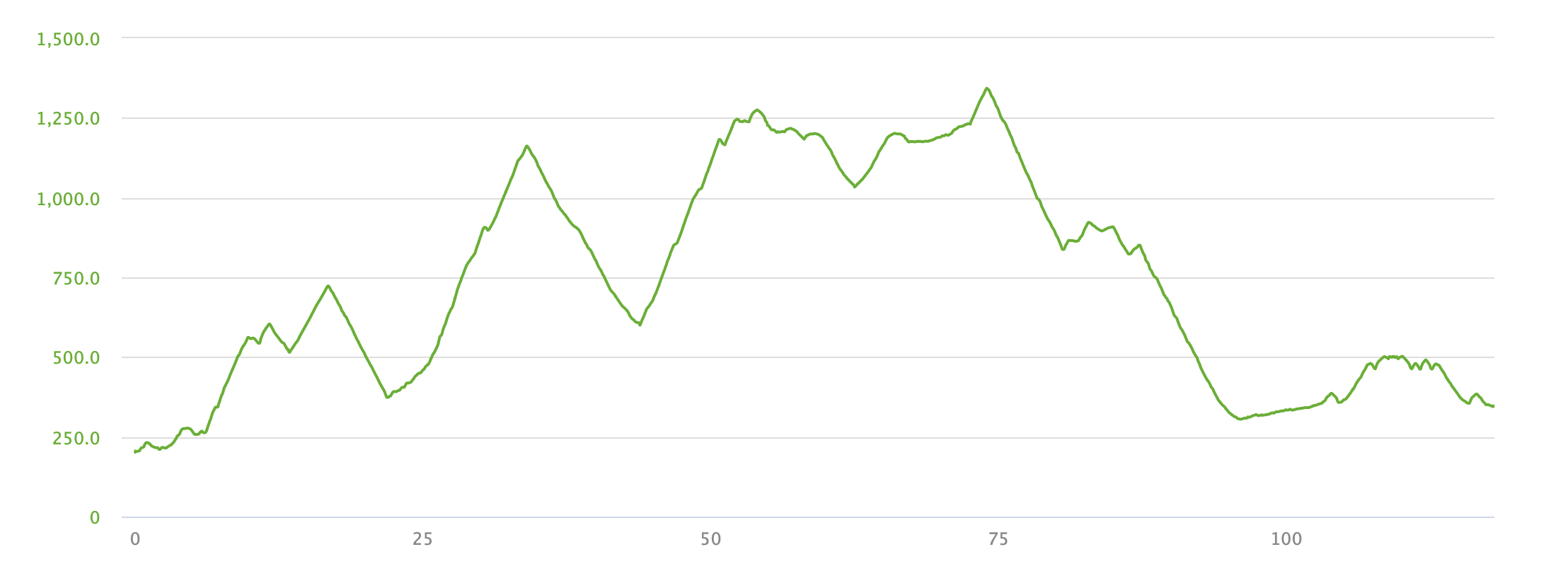
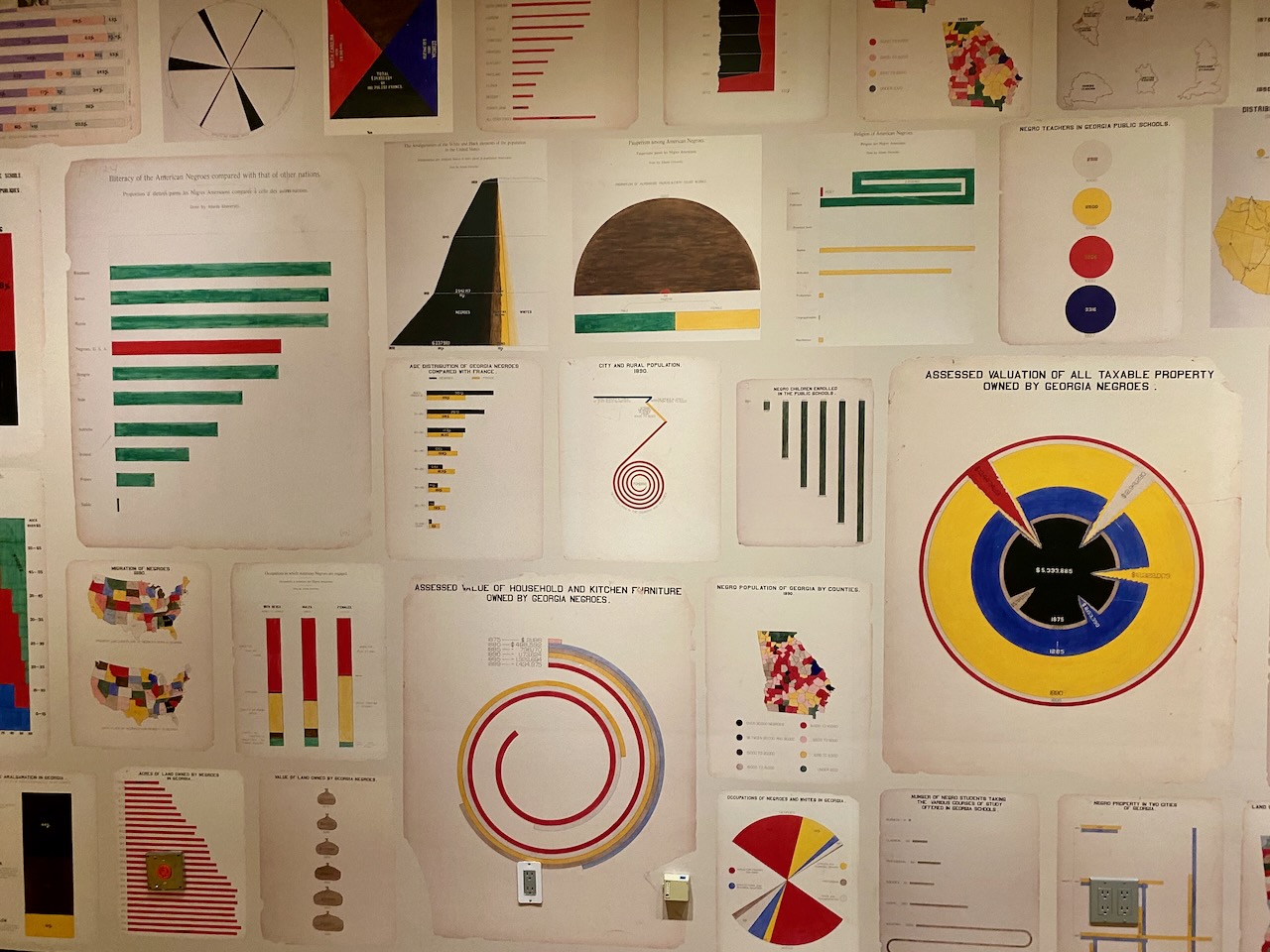
Without context, pie charts, bar graphs, scatterplots, histograms, and gauge charts are more like artwork than representative of data that informs their creation. The challenge to us is to present the graphs with accessible context. There is a story within each, an opportunity to take the viewer on a journey. How might we employ graphs to support our efforts and avoid confusing those looking for meaning?
Switchbacks
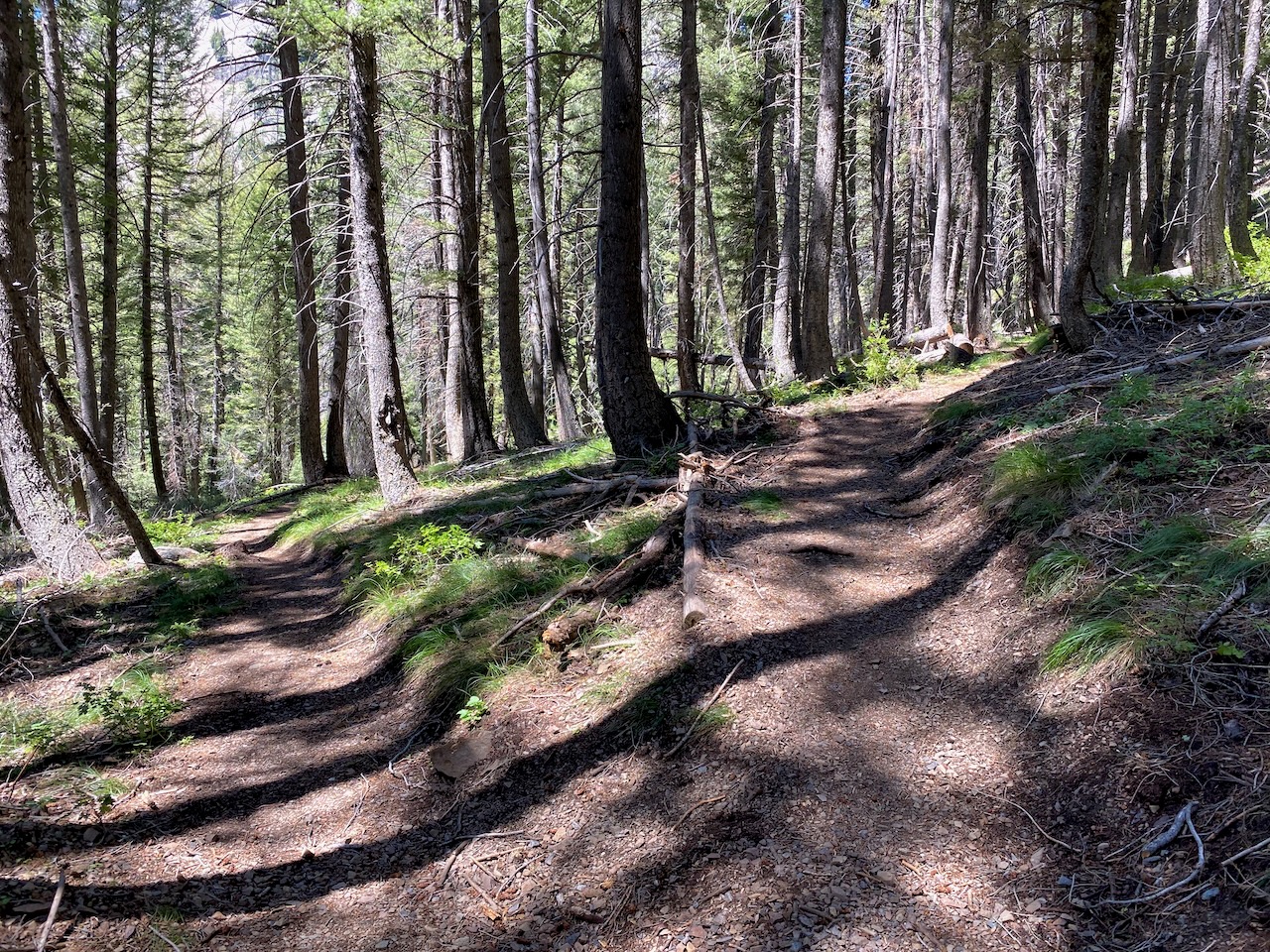
I find switchbacks essential to the journey. They allow me to continue at my cadence while gaining (or losing) the elevation I need to reach my objective. They also provide perspective and an opportunity to contemplate what comes next. Even when we travel away from the summit, there is a sense of certainty that we are on course.
How might we see bends in the pathway as confirmation of our progress and wayfinding? How might we embrace directional change as intentional instead of failure? How might we celebrate that the greater the difficulty, the less likely we can move directly between the departure and arrival point?
OMAHA

Do you have a way of alerting the team when encountering an obstacle or situation that might significantly disrupt the journey? American football teams use a code word to change plays at the line of scrimmage. One board I served used the word “Omaha” in the email’s subject line, a phrase borrowed from former NFL quarterback Peyton Manning. Board members understood an Omaha communication required immediate attention and response. This technique was used cautiously, but it was reassuring to the Executive Director and Board Chair that the board would be responsive as quickly as possible when needed.
Takin’ that ride to nowhere, We’ll take that ride
What is the road to nowhere that might transform your work because you are willing to take the ride? Recent reports announce very positive results in a cancer trial and remission in every patient. Oncology research will not stop due to the optimistic findings. But there will be trials doomed not to reach such favorable results. Sometimes the work that matters is to scout dead-end options to support other expedition members so they can continue down their path.