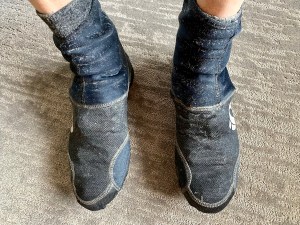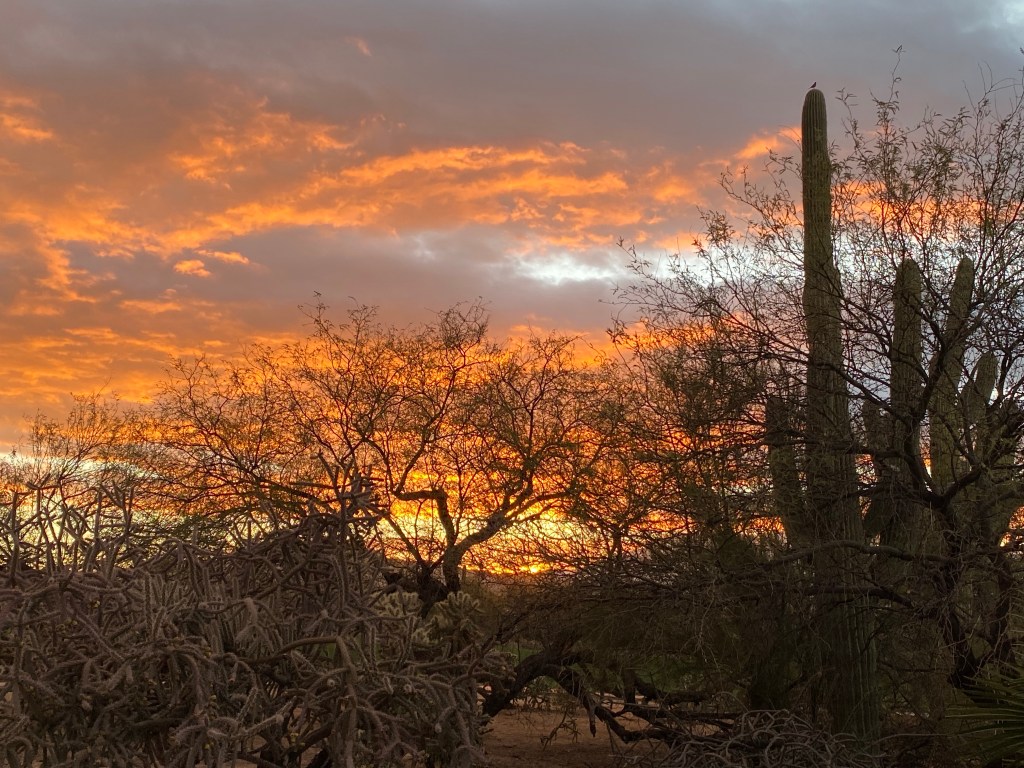
How often do we start or finish our conversation (and meetings) with a point of celebration? Even our problems can be high quality challenges that 99% of peer organizations in our sector would be desperate to contemplate solving. Mindset matters and our attention and work follows. Celebrate, even if it is a rainy, cold, headwind. It might make you stronger and certainly provides the foundation for a remarkable story.
Acclaimed poet Rumi stated, “You are not a drop in the ocean; you are the entire ocean in a drop.”
I think both mindsets matter. The optimist and dreamer in us embraces the remarkable state of being that believes the entire ocean resides in each and every drop. The empathetic self needs to recognize that ourselves or individuals we encounter temporarily adopt the mindset that we/they are a lonely drop in the ocean.
Managing our mindset allows us to toggle between the drop and the ocean.
What if we are curious about the unexpected, courageous with our values, and contemplative about anticipated outcomes?
If the airlines changes our departure or arrival gate, do we abort our travel plans? I like to believe we continue forward, committed to the journey. The same should be true for the cause we support. If the conditions change but the need still exists and we can be of service, why not embrace wayfinding?Let us not mistake a new route for a dead end.
Do we need flexibility or are we committed to a specific approach? If versatility is necessary, then best to carry a Swiss Army knife. If we are certain, then a flat head screw driver will work. But if drop the screw into a tight space the tweezers on the knife would be helpful. Or, if we need to read small print the mini-magnifying glass could be handy. At a certain point, even the Swiss Army knife cannot possess all the options. So, how certain are we that we have the right tool for the job? A specially designed instrument can be a powerful resource. A pair of alpine downhill skis will get us to the bottom of a ski hill fast. However, if we need to ascend the mountain afterwards, the skis are a major liability. Unless we have an alpine touring setup with climbing skins and a binding that transitions to climbing mode.
Specialized equipment or multi-tools? A good question to ask before we launch on our next adventure.
What mountain summits beckon in 2021? How committed we are to reaching these peaks will determine the depth of the wayfinding we deploy. As Seth Godin reminds us when working on something remarkable, why are we doing it, who is it for, and how does it work.I send best wishes to the adventures ahead.
What is the results when you have more answers than questions? Does it change when you have more questions than answers? Encountering a moment with a fixed or open mindset might be the greatest variable determining how we proceed. We might navigate terrain we never considered when we ask the right questions and seek new answers.
When take time to plan, we are better prepared to navigate the terrain we encounter. We can ford every stream we approach or discover that a bridge exists along the route. If we are on foot, the outcome of using the bridge is we move a little faster and keep our feet dry. If we are running a railroad, the impact is the difference between reaching the end of the line and continuing our journey.
Scott Young has an engaging article about the power of planning, published in the SmartBrief on Leadership Newsletter. I encourage you to check out both resources.
Even if the route is set out before us on a map, we still have to wayfind when we encounter the terrain. Research and advance scouting helps but it does not get is to the summit, it just informs our journey. Be prepared to do the work that matters.