wayfinding

Summit Proximity

Are you more impressed by a climber who is a few yards from the summit or one who has just left the trailhead? Human psychology gives preference to the person closest to the summit. When I am cycling and see another rider in the final minute of a long ascent, there is shared comradery that is not as palpable for the cyclist tackling the initial slopes.

How do we equate the perspective that timing matters? If we climb sooner or later in the day, we encounter other participants in different stages of their journey. Our desire to assign value based on a real-time assessment benefits from a broader picture. Strava creates a virtual leaderboard for cyclists and runners (among others) that can be filtered by day, week, year, or all-time (among other options). We might achieve the best time within a small window, but land pages back in the search of all-time best times.

How might we understand that our current location might impact our value assessment?

Mature Metrics

Our metrics may change as the organization matures. The number of days in business might be useful as the enterprise launches but becomes muted after a few years. The number of customers enrolled might change to the number of people on the waiting list. Total work accomplished might transition to workflow by category. As we scale and/or refine our approach we get better data and more options to generate metrics. Netflix is no longer going to share the total number of subscribers. They are going to focus on subscriber milestones.

What measurements need evolution in your enterprise? Which ones continue to provide value?

Disembark

Do the people who benefit from your services know where to disembark? At the upper terminal of a ski lift, signs provide clarity on when to return to downhill ski mode. In an academic setting, final exams and/or graduation define the transition. But if you are an arts organization, is there a point of disembarkation? How about an environmental conservation group. What if we build the most sustainable residential structure and place all our property in a conservation easement? Do we uncouple from a land trust’s work?

The embarkation and disembarkation phases run the gamut from ‘obvious’ to ‘it is complicated.’ If uncertain, ta leading strategy is to remain in communication. I support causes in other regions because they are committed to sustained dialogue. I withdrew my engagement with an enterprise next door because they ghosted me.

Future Me

When my son confronts a problem he does not want to tackle in real time, he says, ‘That is a future me problem.’ Future Me gets assigned some of the most demanding and daunting items. What if we made a list of the future me problems? How many would become part of your enterprise’s strategic framework? It is painless to leverage the most important to the future while addressing the most urgent in the moment.

Counter-Intuitive

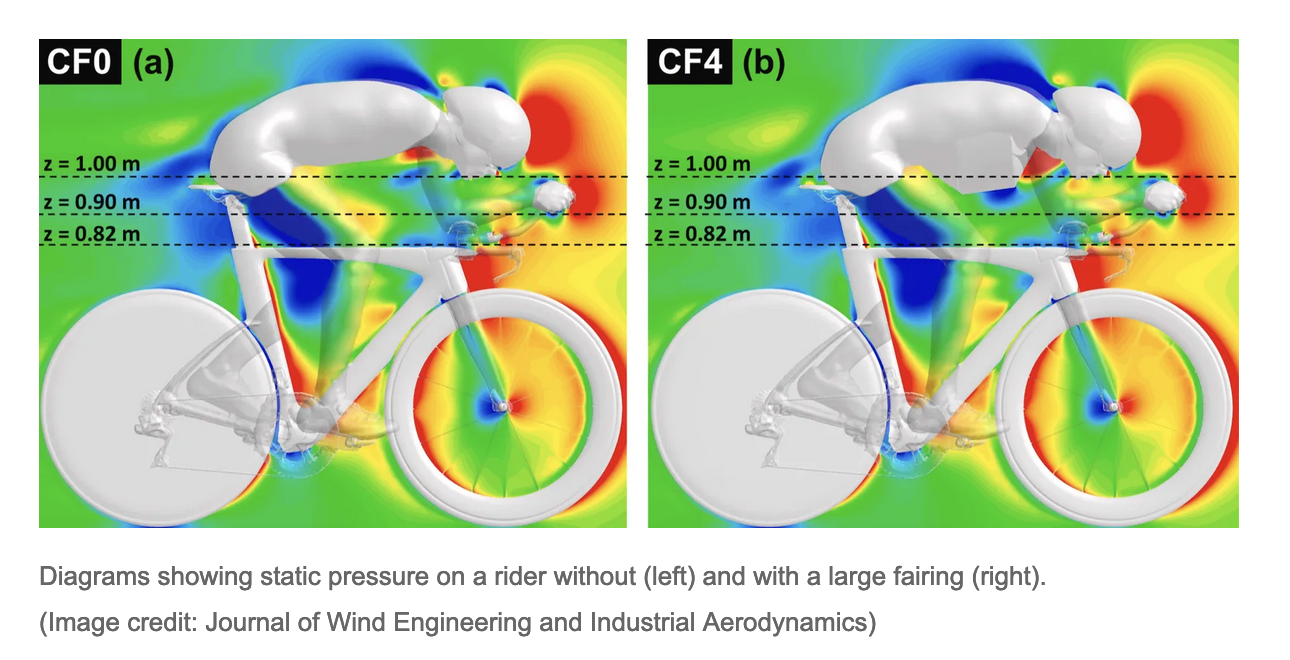
Adding a water bottle under the front of a cyclist’s jersey made them more aerodynamic. For years, conventional wisdom assumed the frontal area benefited from a more streamlined presence to achieve higher speeds. However, employing a water bottle acted like a fairing, increasing the cyclist’s potential average speed.

What pieces of conventional wisdom has your enterprise decided to suspend? A fundraising consultant evangelized that capital campaign asks for charitable donations should only be made while seated inside, signifying the request’s sincerity. An acquaintance decided they could only connect with distinct donors during recreational activities. They secured leadership commitments from key supporters while on the ski lift, golfing, mountain biking, and fishing. If they had waited for the prescribed moments, they anticipated a missed opportunity.

Navigation

If we rely on visual aids to operate our enterprise, we are restricted from functioning in challenging environments. If we have invested in more sophisticated guidance systems, we can launch our programs even when we cannot see the horizon.

What navigational aids does your cause utilize to remain oriented during tumultuous conditions? What has worked, and what has failed your team?

Emergency service agencies require routine equipment checks to ensure the vital gear for a response remains operational and accessible. If we leave our Emergency Operating Plan in a binder on a shelf and wait for the emergency, we may learn there are unintentional gaps. Facilitated scenario training may be the wisest investment your cause can make to practice and learn in a controlled setting.