Author: whatifconcepts

Empowering those that inspire so they can excel at the work that matters.

Cover or Compose

Are you covering a song or composing an original? If we cover songs, do they have the same depth and dimension as a song of our own creation? Listening to musicians converse, there are distinctive memories about the moment a rift or refrain reveals itself. Those in the room, when an idea is founded, possess a connection that is formidable to transfer to those who join us along the journey.

My friend Kate Schutt has been composing new songs for years. Through her music, she shares the most defining moments of her life. Listening to her newest release is a joy because I heard her tell the stories behind the lyrics. I may not have been in the room for the song’s genesis, but Kate has been generous in her ability to provide the audience with context. If it was not for her willingness to do the work that matters, we could just be entertained by the most notable songs to cover.
Workplace Fables

What stories were handed down that supported your work/service at your cause? Which narratives limit your effectiveness?

Multiple new board members have joined a cause and stated they would take the first three or four meetings to get oriented and up to speed before adding their wisdom. How has this mindset impacted the organization? What does this say about the orientation process? What vital contributions are lost during this acclimatization phase?

How has service on boards with a give-or-get policy (raise or personal donate x number of dollars) impacted the team’s mindset? If your primary focus stays on achieving your quota, what opportunities are missed? What is gained? Budgeting contributed income is easier if everyone is responsible for a percentage. The policy might eliminate potential board members who do not have financial resources or access to networks with wealth.

Designating appropriate resources, such as salary for staff, technology investments, and taking a political stand are considered inappropriate in some social sector factions. What stories do you encounter when explain why your enterprise invests so much/so little in staff compensations. What barriers/opportunities are evident when upgrading software? When was the last time your cause met with local legislators to share your legislative agenda? If we see compensation, resource investments, and lobbying as inappropriate for the sector, then what does that say about our help wanted sign? What does that suggest about how committed we are to reach our vision?

Stories may retain essential clues to how we prioritize our approach. How might we pay attention to which ones get the spotlight within our organization?

Presence

This napkin remained in a hotel stairway for the five days I stayed on the property. It served as a proxy for my observations about the presence of hotel staff in this stairwell and/or their attention to detail. I am not sure whose job specifically details the cleanliness of the common space, but this area was either not routinely inspected, or nobody thought it was their responsibility. I picked up the napkin on my final exit, the litter signifying more than a discarded piece of paper.

What items in your cause await somebody’s notice and action? For a significant case study, see the story behind LaGuardia Airport. It transformed from one of the worst airports to one of the best terminals, but it took $8 billion because nobody acted for decades.

Drip Line

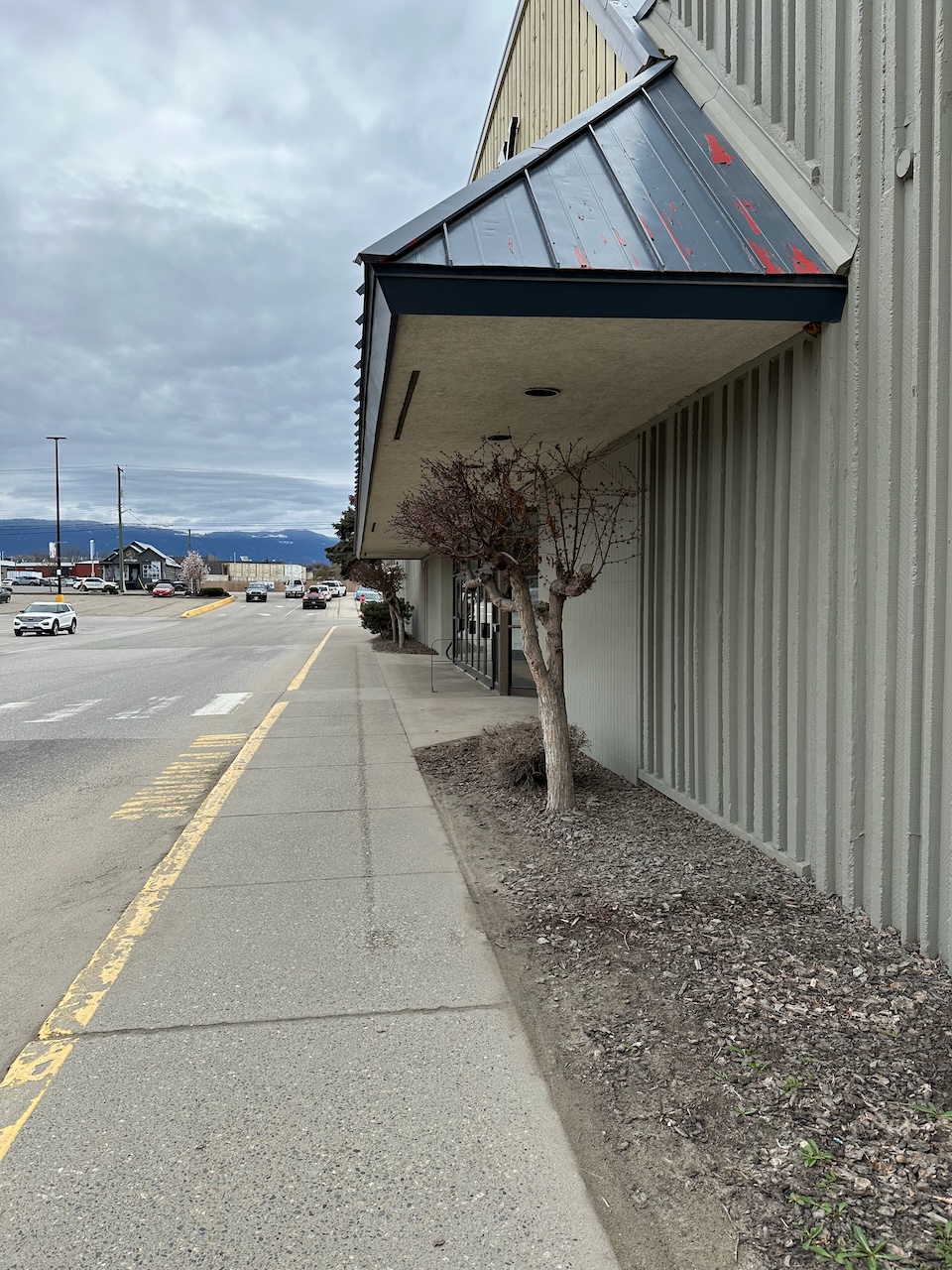
We tend to make an impact when we commit to repeated actions. Take a drip line from an overhang; the constant recurrence of water droplets falling onto cement leaves a dent. It is convenient to believe that we are doing the work that matters, but our actions may be inconsistent or applied to the surface that does not benefit from our emphasis.

How might we ensure our work has the planned results?

Navigation

If we rely on visual aids to operate our enterprise, we are restricted from functioning in challenging environments. If we have invested in more sophisticated guidance systems, we can launch our programs even when we cannot see the horizon.

What navigational aids does your cause utilize to remain oriented during tumultuous conditions? What has worked, and what has failed your team?

Emergency service agencies require routine equipment checks to ensure the vital gear for a response remains operational and accessible. If we leave our Emergency Operating Plan in a binder on a shelf and wait for the emergency, we may learn there are unintentional gaps. Facilitated scenario training may be the wisest investment your cause can make to practice and learn in a controlled setting.

The Route or Horizon

Are you more enthusiastic about the route or the horizon line? Does the idea of travel or the destination resonate more? If you could time travel to the journey in progress or the arrival back home, which would you select? Knowing our preferences influences our mindset. Our mindset prioritizes which aspect of the adventure we deem most important. All of these aspects will allow us to put our signature on the way forward.

What Are You Building

What are you building? Do you have plans, or is it more of an organic growth situation? How do you keep your fans apprised of your progress? When do you bring them into the conversation, at the inception of the idea, the grand opening, or somewhere in between?

How might our building project enhance our relationship with the community? How might we position and activate it so that the neighbors embrace the noise and disruption since they understand the impact of the final product?