Author: whatifconcepts

Empowering those that inspire so they can excel at the work that matters.

Pushing Forward and Scrubbing Speed

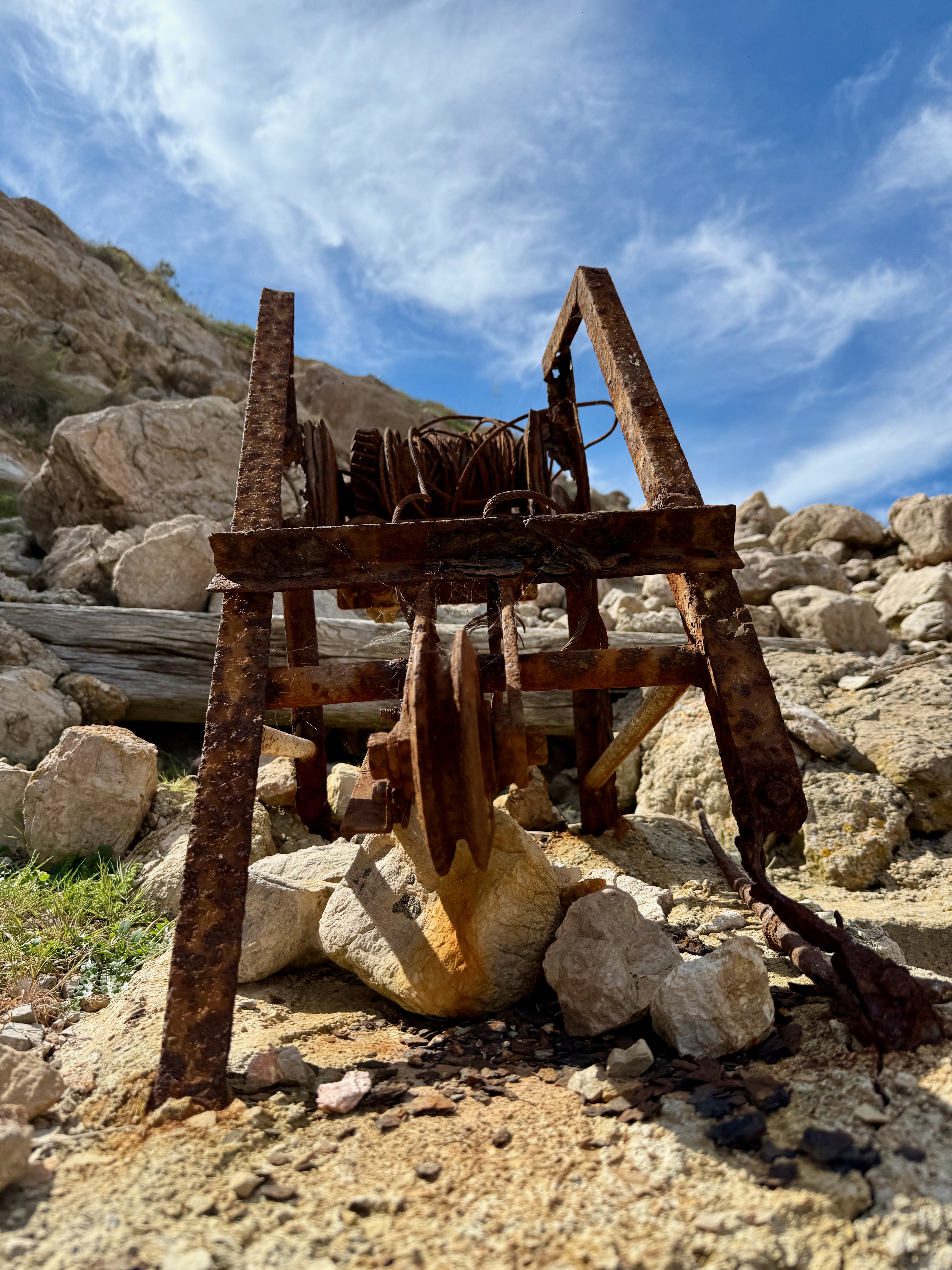
If we endeavor to keep our cause in perpetual motion, we might miss the opportunity to address deferred maintenance. Sailors who circumnavigate the globe look for opportunities to lift their boats above the water line to clean the hull and handle other necessary maintenance. To enhance the performance and efficiency of the boat’s movement through the water, the return on investment of a clean hull versus the time lost in port is a formidable decision.

How might we take the same mindset with our enterprises? How might we take time for a generative conversation? How might we address opportunities to improve our governance? How might we reflect upon or update our strategic plan? How might we update our board recruitment roster? How might we test our organizational assumptions?

What is the return on investment if we commit to any of the items mentioned above? What would a transformative moment of pause do for the future journey?

Lighthouse

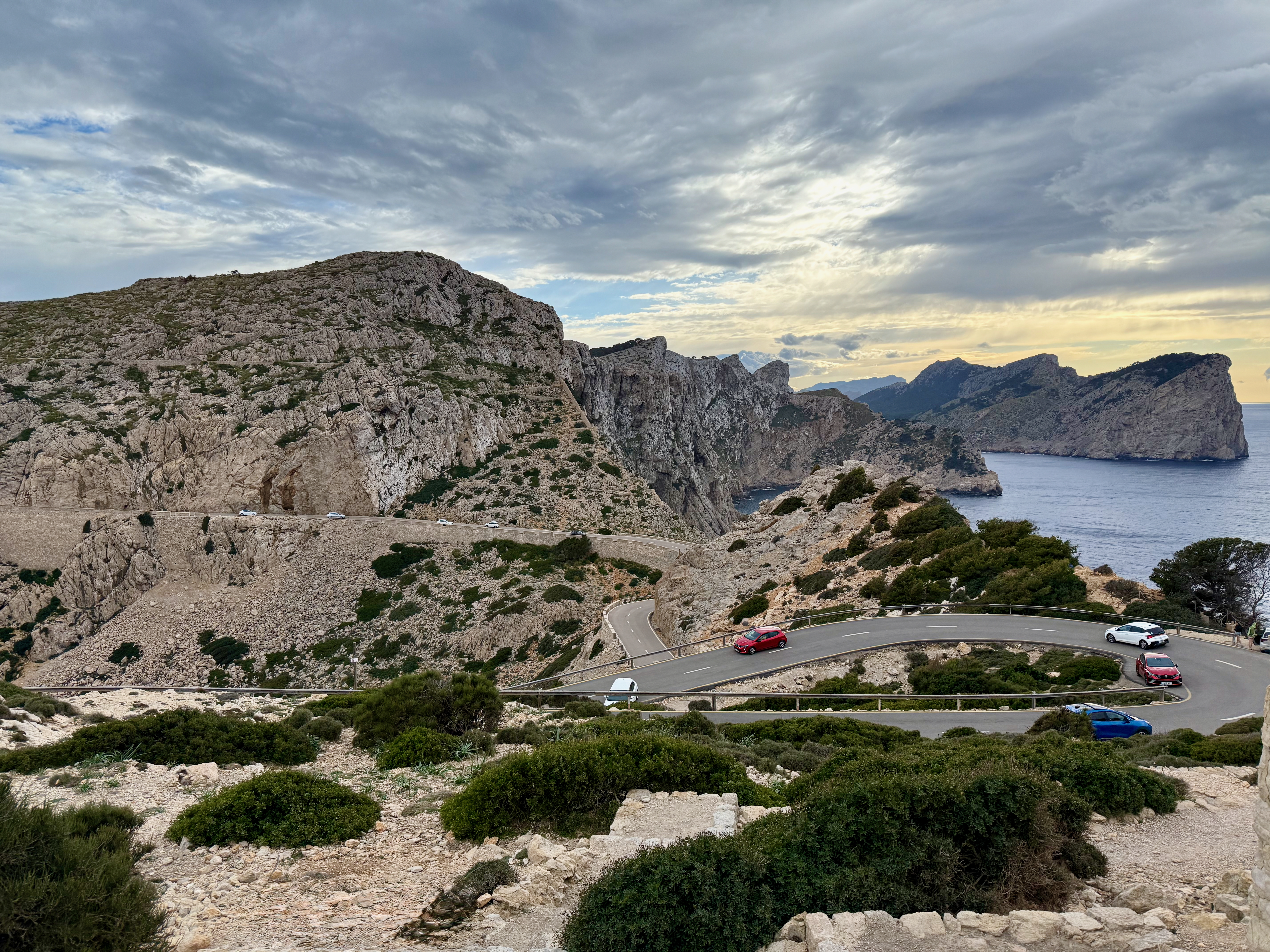
Lighthouses are often located in remote places. Their purpose is communication. A lighthouse might signal a navigation point, warn of danger, offer guidance, or be a historical relic from a time when technology needed fixed navigational aids.

What navigation aids does your enterprise use to confirm the team is on course or avoiding potential barriers? Are they accurate? Do they need recalibration? Are they inherited from an era that may no longer be relevant? Or have you upgraded to a version that allows the cause to move more confidentially?

Controlled Environment

Riding a bike on a velodrome removes variables present on the open roads. Velodromes tend to be limited to cyclists, ridden in the same direction, constructed with smooth surfaces, possess banked corners to support high-speed turning, provide a uniform distance, and allow riders to test their limits. Not every cyclist who is good on a velodrome is equal on the roads. Remove the controlled environment of the track, and the variables might disrupt their ability to put out constant power. Equally, not every great road cyclist can perform magic on the track.

Who might we recognize where we excel and under what conditions we thrive?

Where It Will Be

If we want to intersect an orbiting planet, we will fail if we wait until it is closest to Earth and launch. We need to anticipate when the planet will reach the nadir of its orbit relative to Earth and then calculate how much time in advance we need to launch. The same is true for life. Savings funds are best started years in advance, not the week before a major purchase. Save-the-date announcements are sent months before a major ceremony. Architectural plans are drafted through iterations, beginning with broad concepts and moving towards construction and engineering details before building begins.

If the journey ahead is uncharted, we probably cannot plan today for tomorrow’s complete immersion. We need to aim for a point of confluence, where our vision and the future might intersect.

Organized

Utilities laid out within a coherent system make sense. We want items fundamental to our operations to be accessible, functional, and safe. Generative ideas are not created or built upon in the same mindset. We might need to get ourselves lost in the wilderness before understanding the terrain we occupy. Discerning our work might guide us between a functional approach or inhabiting a liminal state of mind.

Slightly Hidden

What information in your enterprise is technically available but not as accessible as possible? Annual reports, tax returns, state/federal filings documents, meeting notices might come to mind. How about the bread crumbs for future boards and staff about why and how decisions were made? How might we avoid creating a version of the game Clue by leaving things in places where others can find them?

Customized

Airlines do not have consistent rules for carrying-on bag size and weight restrictions (see the above photo for context). Passengers must do the research to determine if their carry-on bag qualifies for a specific airline. If the airline industry agreed on a universal standard, it would reduce passengers’ stress and align the baggage industry. A worldwide standard would allow for consistency at the scale of commercial airlines.

We need to decide where to offer customizations and where standardization is required. Customizations are frequently made for donors to social sector causes. Rules about naming, the timing of the gift, the way the contribution is credited, or a plethora of other details are up for discussion. How an organization’s annual report is filed with the Secretary of State contains minimal choices. Knowing what we are offering and its purpose might help us navigate our level of flexibility.