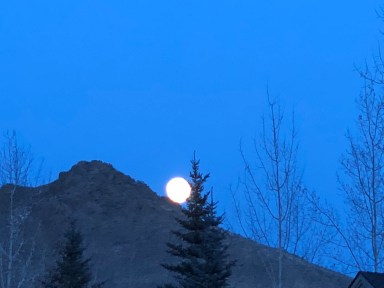
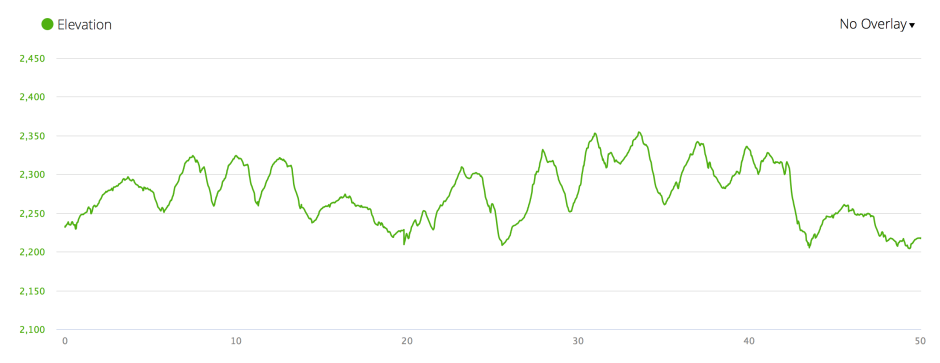
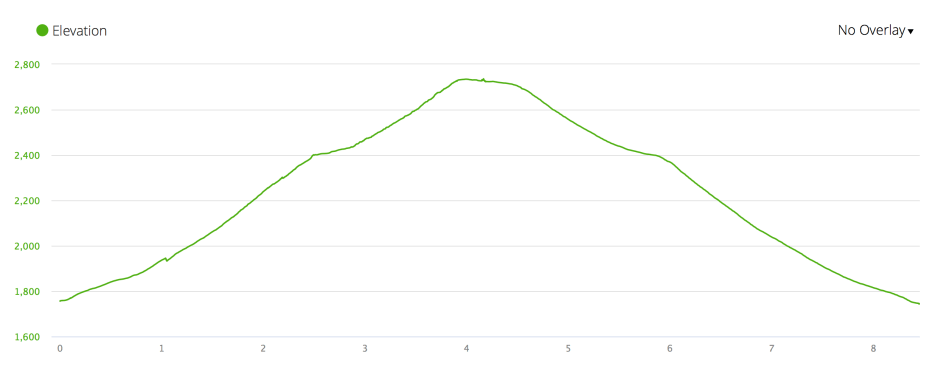
Thirty degrees at 7 PM and snow appears on the roadside as I near Bogus Basin Ski Area. I have been riding uphill for 14 miles and not spied another cyclist, which is remarkable because there is always another velo enthusiast on this route. A vest, rain jacket, long fingered gloves, and cycling cap rest in my jersey pocket, ready to add micro-layers of protection during the thirty-minute descent. There is no official turn-around point on this ride. Temperature and road conditions are the guiding parameters. Finally, I encounter sheets of water running across the road and decide I do not need to be wet and cold, and the ascent stops and the return to the valley floor begins.
I have traveled this route over one hundred times by bike. Tonight’s effort stood out because I was alone and the temperature. It joined hallmark memories, like the thunderstorm that pounced so quickly that I turned around one-minute from the summit, afraid for my safety and without disappointment that I had not reached the top. Or, the time I loaned my jacket to a freezing cyclist from Arizona who rode up the mountain unprepared for Idaho’s fall weather. Then there was the cow that stood in the road on a blind corner. On the descent, I missed striking this oblivious bovine because I decided to try a different high-speed line around the corner.
The moments on edge are the ones that stand out. The ascents and descents that fall somewhere in the range of normal are forgotten, even when recorded in a training log. Our own edge provides a conduit into an inner conversation about what we value and believe.
Today, what opportunities do we have to visit our edge?

 What if we followed-up with those who contacted us about supporting our mission? Even if we are oversubscribed, overworked, and under deadline. It does not take much to keep people who care involved with our enterprise. Equally, it is just as easy to lock them out and wonder why they drift away.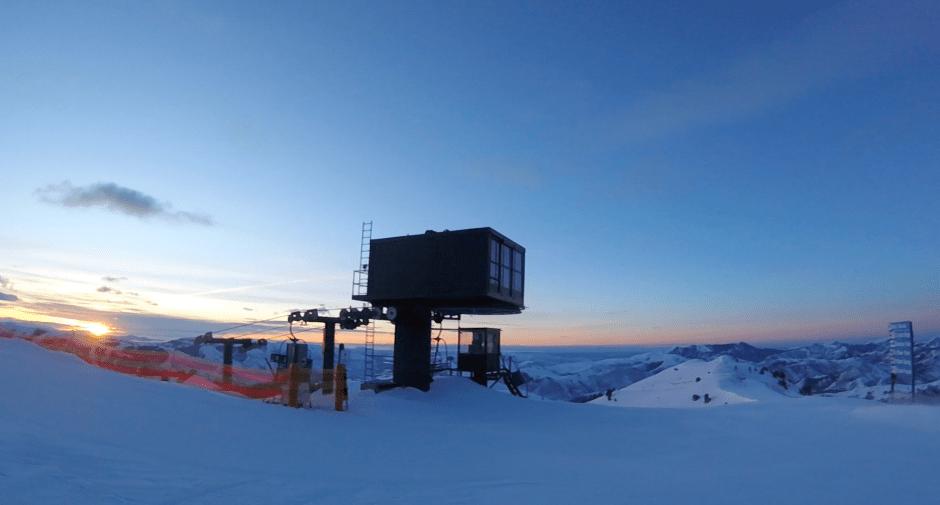
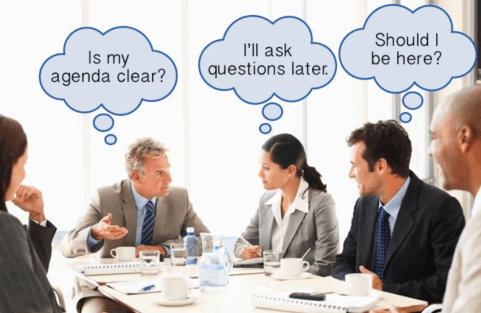 The meeting is wrapping up. Agendas and handouts are re-organized, laptops shut, bags and coats grabbed. The Board Chair states, ‘I want to go around the room and check-in with each person.’ She looks to her left and makes eye contact with the board member seated next to her. The board member replies, ‘good meeting.’ The next board member nods and then adds, ‘I would like to know more about how we select the firm that performs our audit.’ The third person to the left of the Board Chair states, ‘I still have questions about the draft contract we reviewed to engage the marketing firm.’ A few heads nod. The Executive Director starts to respond but the Board Chair assures everyone more details will be forthcoming. And the process continues as each attendee is given the opportunity to share. Some provide a thumbs up to signal all is well. Others reflect on the momentum of the organization’s growth. One individual alerts the group that they will be traveling next month an unable to attend the next meeting. The check-in takes just a few minutes. The meeting is adjourned and everyone scatters to their next commitment.
 Bold endeavors involve degrees of uncertainty. Athletic competitions are on my list. Viewing in-race photos afterward is always surreal. I know how the event turned out and yet at the moment of the picture (unless it is at the finish line) there is often uncertainty swirling in my mind. Uncertain thoughts include: