Uncategorized

What is your edge?

Stars

Seth Godin posted about the concept of edgecraft a few weeks ago which offered a compelling insight into embracing that which makes us different. Along Seth’s philosophy, Jo DeBolt from La Piana Consulting asked an intriguing question today at the ED Sessions 2.0 in Boise, Idaho.

What is your edge?  How are you remarkably excellent?

Defining our edge clearly underscores how well we understand ourselves and the space we occupy.  Trying to be remarkable in a crowd is much like trying to identify stars in the night sky.  A few are remarkable because we understand their place in relationship to other night but they also dominate their location.


What is your edge?

Context

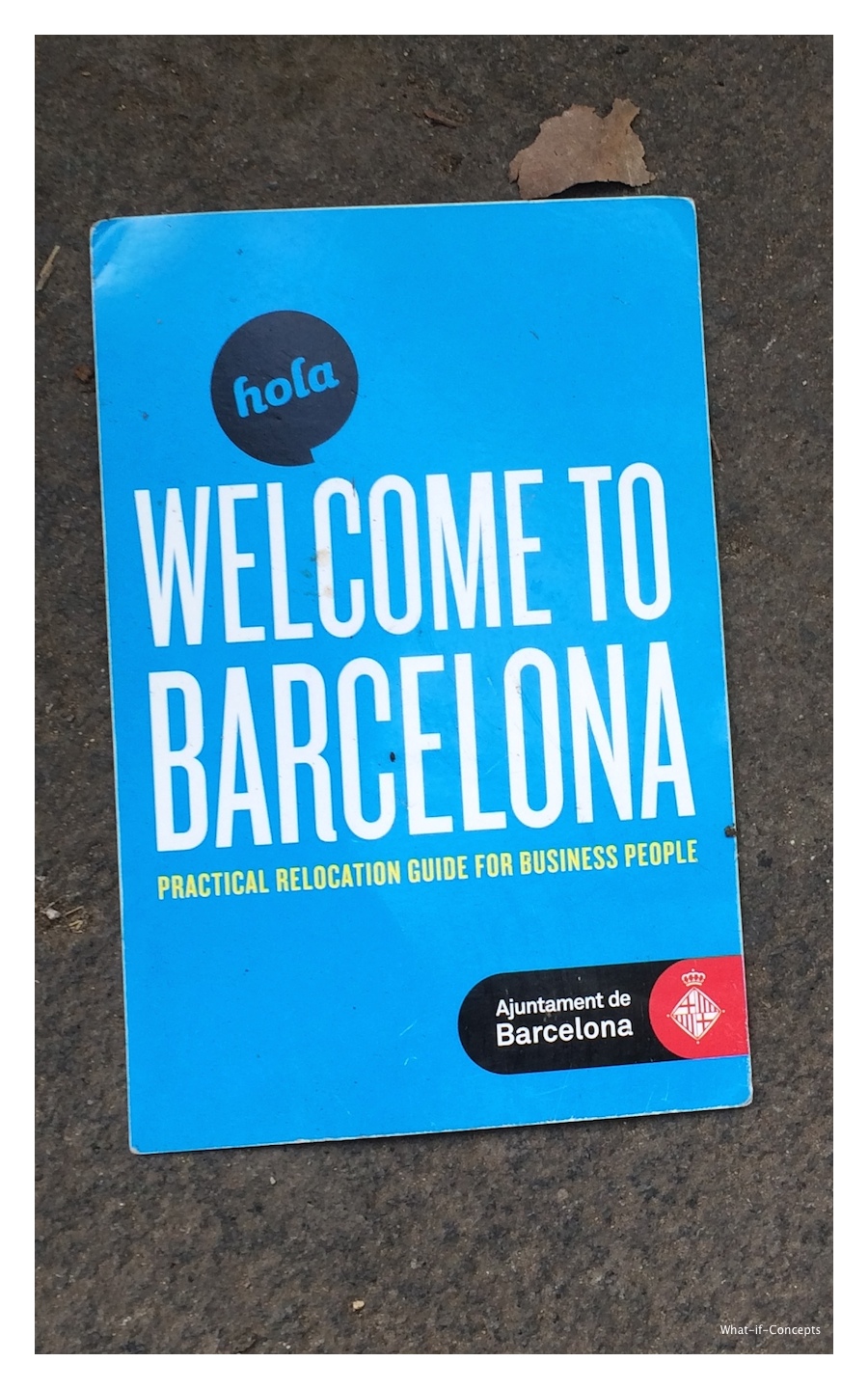
BCNI found this pamphlet laying on some steps in Rome, Italy.  It had no value for my day of adventures in Rome and it was being stepped on as discarded trash.  Sometimes what we have to offer lacks its maximum potential when the location does not match the content.  Being handed a pamphlet on making a bequest to an art gallery when you are seeking just a map creates disconnect.  Getting the same document when you are planning your estate would increase its value dramatically.  Amazing content is half of the journey.  Placing it at the right trail head makes it remarkable.

Ideas that are stuck

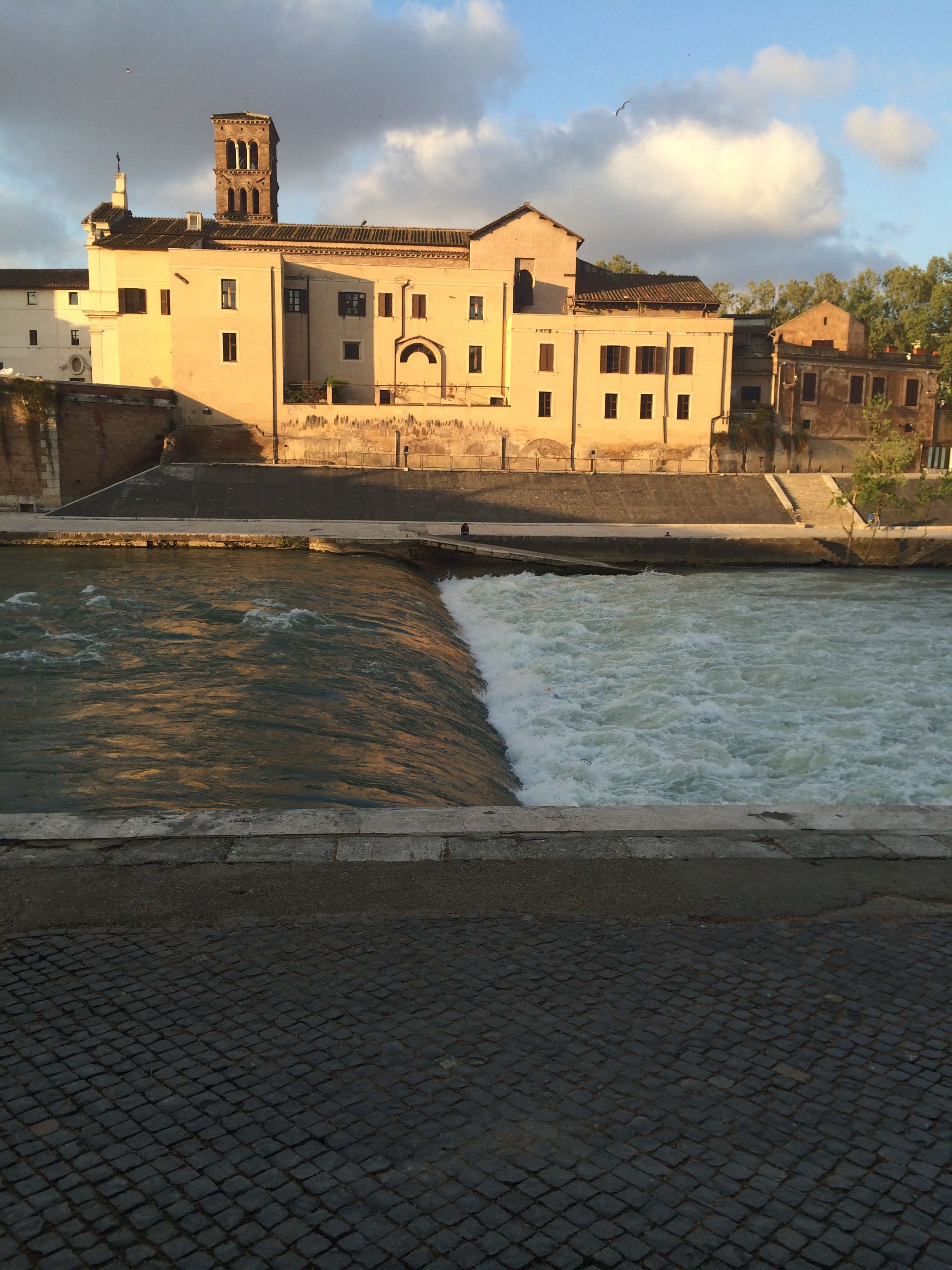
IMG_5837I was running in Rome along the Fiume Tevere (the river dividing the city) and spied a rapid in the river’s channel.  Looking closer the wave was recirculating logs, enough plastic balls to start an amusement park, and a few assorted urban items.  The trapped pieces would be driven down underwater by the force of the rapid and then pop back-up downstream only to be drawn upstream by the hydrological force.  The cycle repeated relentlessly.

How many ideas containing little value within our enterprises circulate too often?  Discussions that find their way onto each agenda or become repeated off-topic discussion at meetings?  As long as the forces remains constant the recirculation continues.  Only if the river reaches flood stage, reduces it flow, or the channel is altered will the hydrological forces change.  Mixing up the pace and location of our deliberations leads to  new ideas.  Otherwise a static tempo ensures a continuation of the same.

The Power of Demonstration

ImageOn a recent trip to the Van Gogh Museum in Amsterdam, my son and I stumbled across an app entitled, “Touch Van Gogh.”  It was an easy to use tablet application that demonstrates the impact time and light on Van Gogh’s most famous paintings.  Iconic images we see in our mind’s eye are many shades from their parental color DNA at the time of inception.  Blues were purples, yellows were heavier, stars shown differently, and even the brown of the floor had richer hues.  Sliding the bar across the images, the before and after transformation of aging on each painting was remarkable.  The experience was such a vivid and palpable reminder of the power of demonstration.  The app oriented us to the images that were directly in front of us and provided a paradigm shift.  No words or explanations were needed.  The results were evident and I was hooked on the story and the impact of the museum’s curating and restoration consideration.  The power of a hands-on experience manifested itself by letting me join the narrative..

The Benefit of Sharing

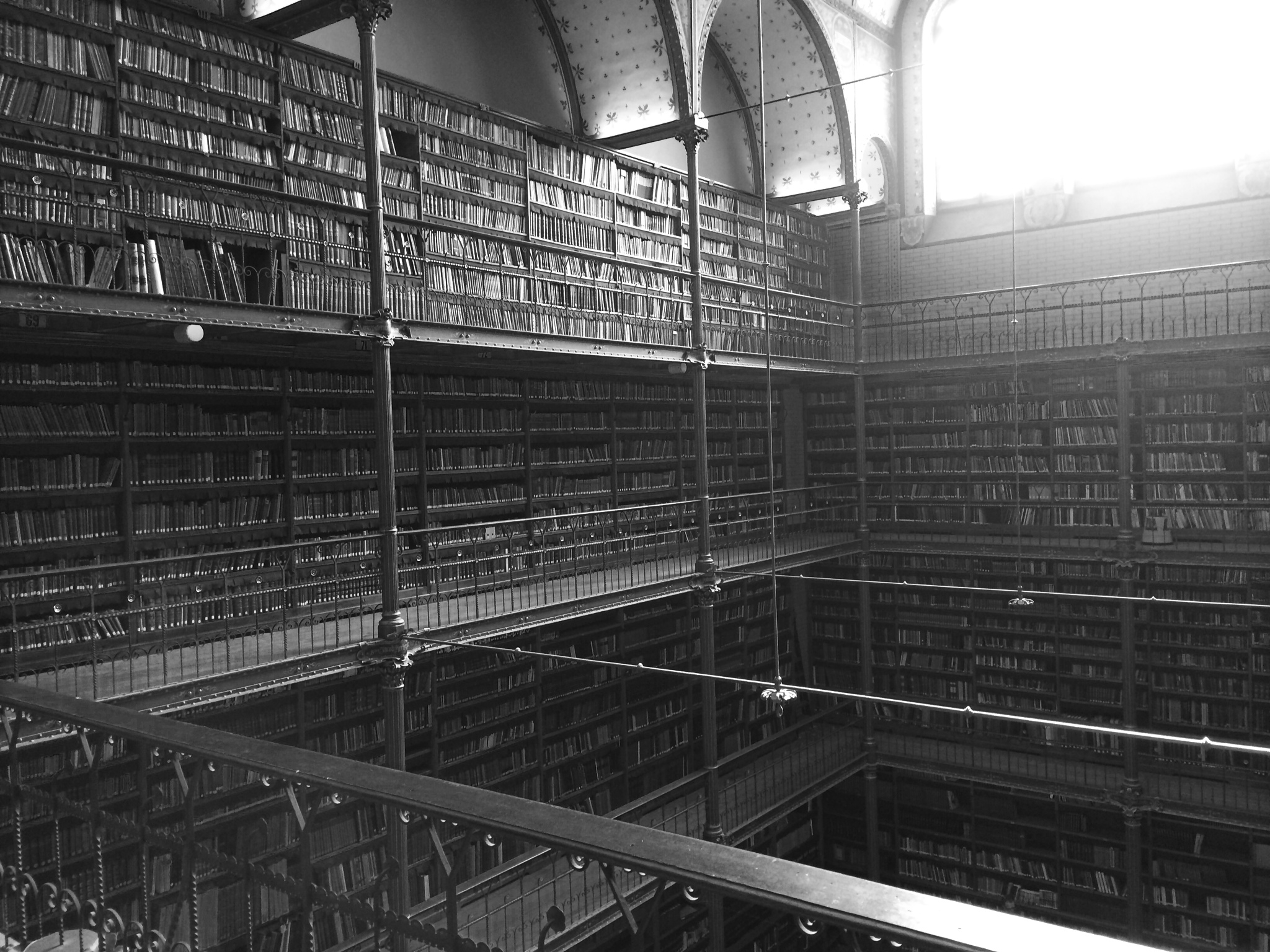
Amsterdam LibraryA whole bunch of books is not remarkable in itself.  However, when the collection represents the lifetime assemblage of art history texts, as is pictured above from the Rijksmuseum in Amsterdam, it serves as a beacon for those who share a passion for the arts.  There is a fine line between hording and assembling.  Hording is for our own benefit, cataloging is for the benefit of others.

Storytellers

Saw Lyle Lovett and John Hiatt in concert.  What made the evening remarkable were the stories each artist told between songs.

“Stories are our attempts to share our values & beliefs with the hopes that we may attract those who believe what we believe. This is the basis of forming a trusting relationship. Story telling, therefor, is only worthwhile when it tells what you stand for, not what you do.”        

Simon Sinek

What Would You Remember?

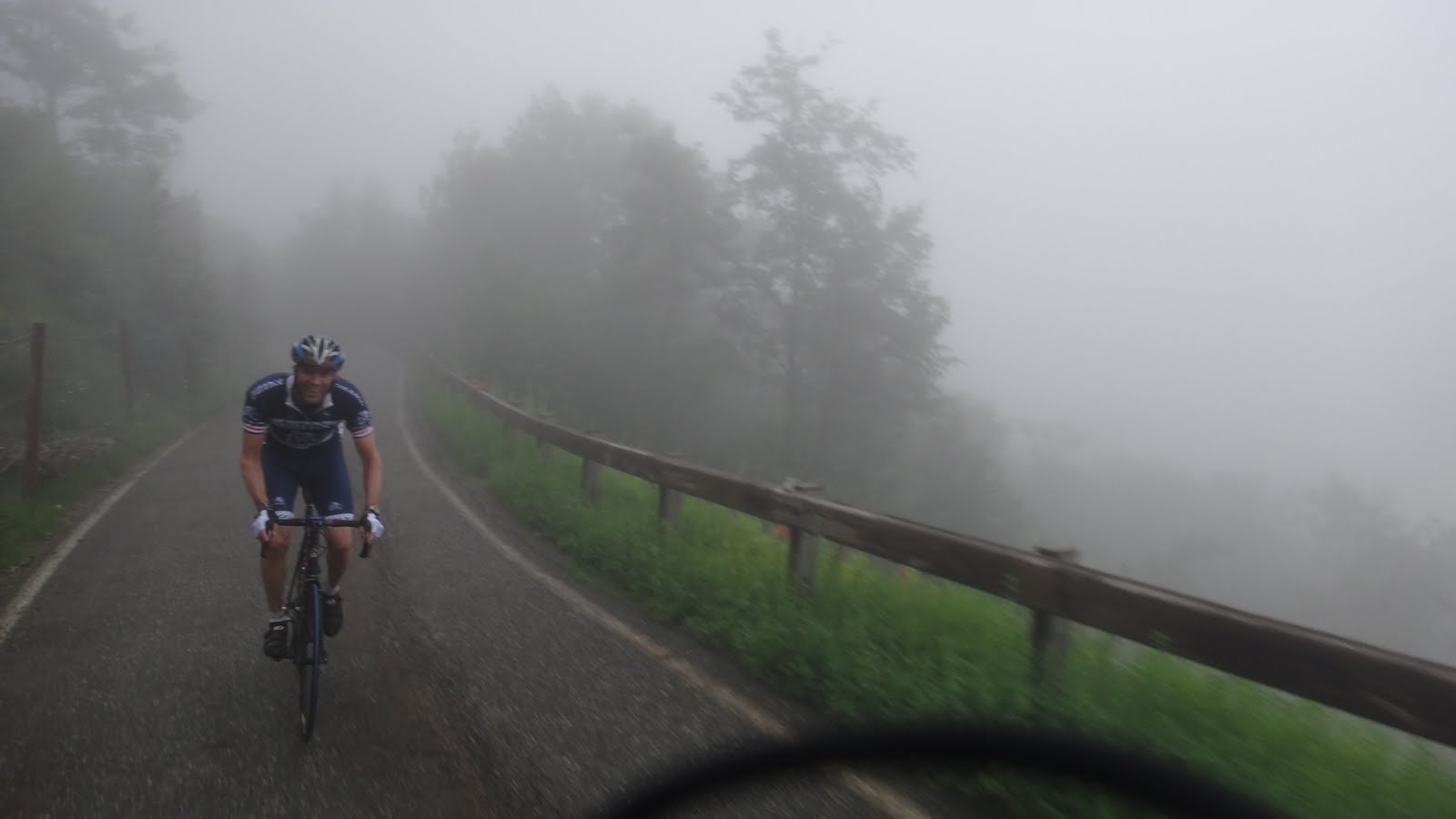
If you competed in the Tour de France, what would you remember after riding for three weeks and over 3,400 kilometers?  Would one stage be more memorable than another?  Would you recall all the start and finish towns?  How many sections of the course would be etched in your memory?  Would you be more likely to recall a specific day if it were the hottest or rainy and extremely cold?  What about pedaling climbs pitched at over 10% for hours to reach a mountain pass?  Or the descents with hairpin turns and straight sections where you descended at over 100 kph?  If you managed to secure one of the leader jerseys for a day, would that alter your focus?

Turns out that extremes stand-out.  The moments that are anything but normal.  So often we wonder why our cause does not get all the attention as we finish with the peloton (pack) every stage.  In the Tour de France riders take inspiring chances to gain a stage win, attacking in the first minutes of a stage that might last five hours only to be caught in the final thirty minutes of racing.  Why? For 90% of the race they are the story.  The commentators spend the majority of the time talking about the breakaway.  The cameras are tuned to them because until they are caught these riders represent the chance that something extraordinary might happen.  

What do your fans remember?  How do you stand out?

Service and Curtains


International travel is always an adventure.  Magical moments mixed with ones that make you wonder why you paid for the adventure.  Traveling to and from one’s destinations comes with its own special mindset.  Many times we all just hope that nothing remarkable happens.  The trip to the airport goes smoothly, security screening is predictable, the flight takes-off on time, you survive the in-air experience, land safely, and reach your chosen destination.  Put your head down and keep out of the way is the mentality on the day.

What ones notices on an international flight is that the curtains that separates First, Business, and Economy classes seemingly carry a spell worthy of a Harry Potter movie.  The same flight attendant who cheerfully fluffed the pillow of a First Class passenger, grabbed a water bottle to refill drinks in Business Class, can then walk the aisle of Economy ignoring pleas for special requests.  Mathematically it makes sense, six First Class passenger, forty seated in Business Class, and two-hundred packed together in Economy.  It is difficult to offer special attention to everyone so it is easy to draw a line of distinction at Business Class.  The experience of sitting on one side or the other of the curtain can be remarkably different.

Is there a service break (a curtain between airline classes) in your enterprise?  Does everyone receive the same experience?  Do you divide customers and patrons based on a specific criteria?  Have you sat in all the sections to understand their perceptions?  What spell gets cast on your team when working with you biggest fan versus the most transactional members?