Growing Trust from Broken Promises

John Oliver’s, Last Week Tonight on HBO produced a piece on the Miss America Pageant and Miss America Foundation that could carry ramifications and opportunities for the social sector.  His team investigated and revealed that the actual value of the scholarships awarded compared to the stated ‘provided’ value of the scholarships represent during the pageant’s telecast equate to an eye-opening difference.  John stated the pageant “gives out way less than the 45 million dollars in scholarships (he claims less than $4-million) and yet two, whatever the number is one thing does still seem to be troubling true…because even their lowest number is more than any other woman-only scholarship we could find.”  Instead shining the spotlight completely on the semantics and mathematical formulas employed by the Miss America Pageant and Miss America Foundation he challenged the audience to consider support woman-only scholarship organizations, such as: 

Society of Woman Engineers                              Patsy Mink Foundation                                    Rankin Foundation

I am not sure of the impact of this news story for the Miss America Pageant and Miss America Foundation.  It does not appear to immediately enhance the public’s trust in the social sector.   Perhaps the greatest opportunity for growth is that woman-only scholarship funds can use the conversation to share their purpose and offer a call to action.  When others break loyalty and trust, there is an opportunity to re-enforce the relationship each of us fosters with our own tribes.

The Sharing Economy

IMG_7388Buying a slice of pizza is a readily accepted model of the sharing economy.  We are hungry enough for a slice but an entire pizza would overwhelm our capacity so a market has been established to offer portions.  The pizza maker gets to make an entire pie with the knowledge that customers will purchase pieces from the whole without demanding an original that has been segregated.  We repeat the shared model at grocery stores, co-ops, pet stores (one puppy is fine, the entire litter is too many), on Craigslist, and with childcare.  The challenge is to move the model into our own enterprises.  Not everyone needs a sound system, LCD projector, and projector screen.  These items are easily shared.  Add the the human element and sharing gets more colorful.  Sharing a development officer, volunteers, board members, and customers tests levels of trust and loyalty.  We need to remember that another organization’s success is our joy.  We benefit personally and organizationally when those around us reach their and surpass their goals.  Sharing offers a pathway to success and adds value to many more individuals than we could serve on our own. 

What are you sharing?  What do you need to consider sharing?  What have you been asked to share?

Fences and Walls

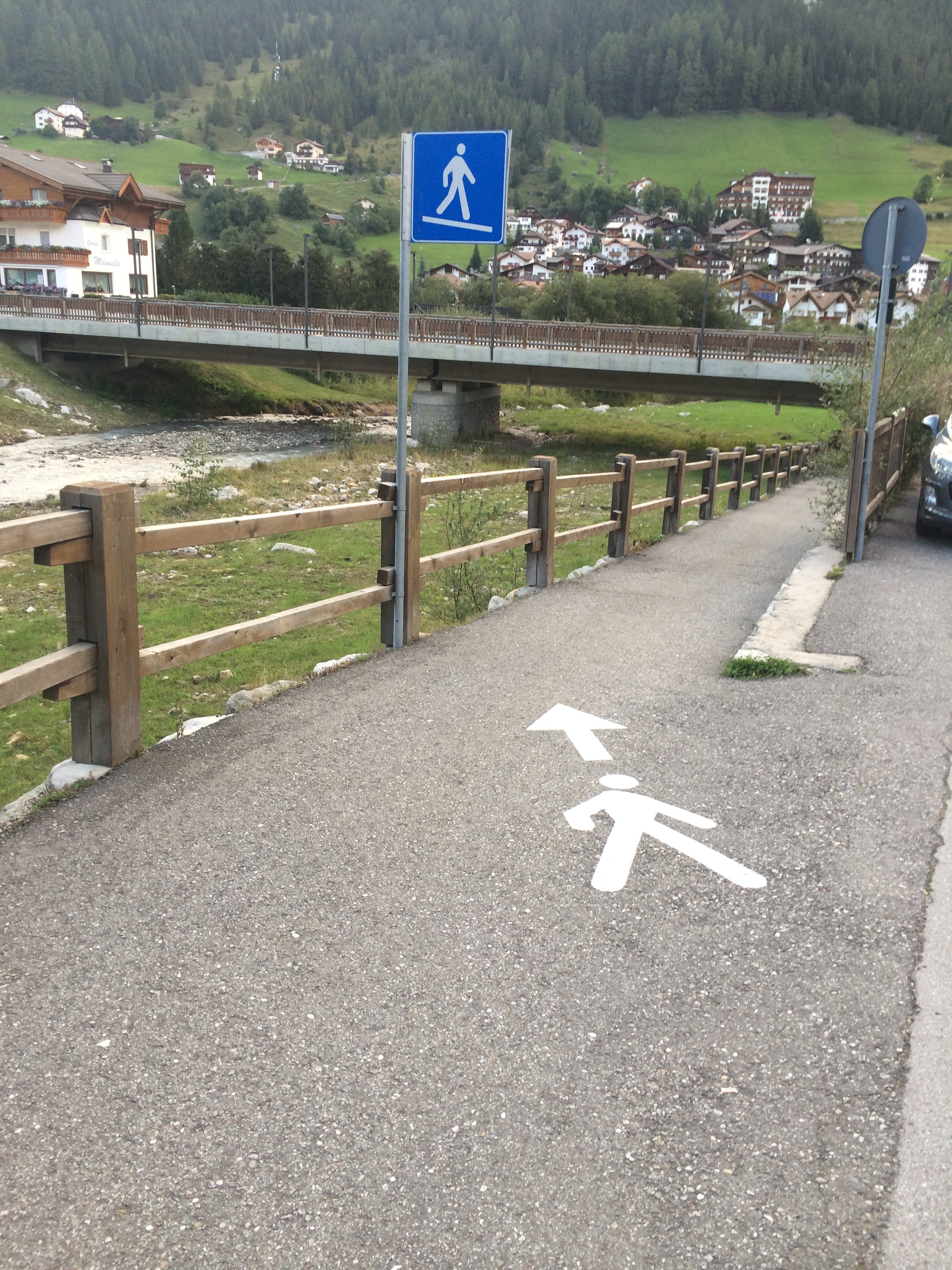
IMG_7185Do you build fences and walls?  What is the purpose of your fence and wall?  Who is it for?  Does it keep somebody/something in or out?  Castles, prisons, farmers, and resort hotels each build walls and fences but they served very different purposes.  If you do not know your purpose, you may unintentionally find yourself on the wrong side of the wall you are building.

Coat of Arms

            IMG_7529 IMG_7530 IMG_7531

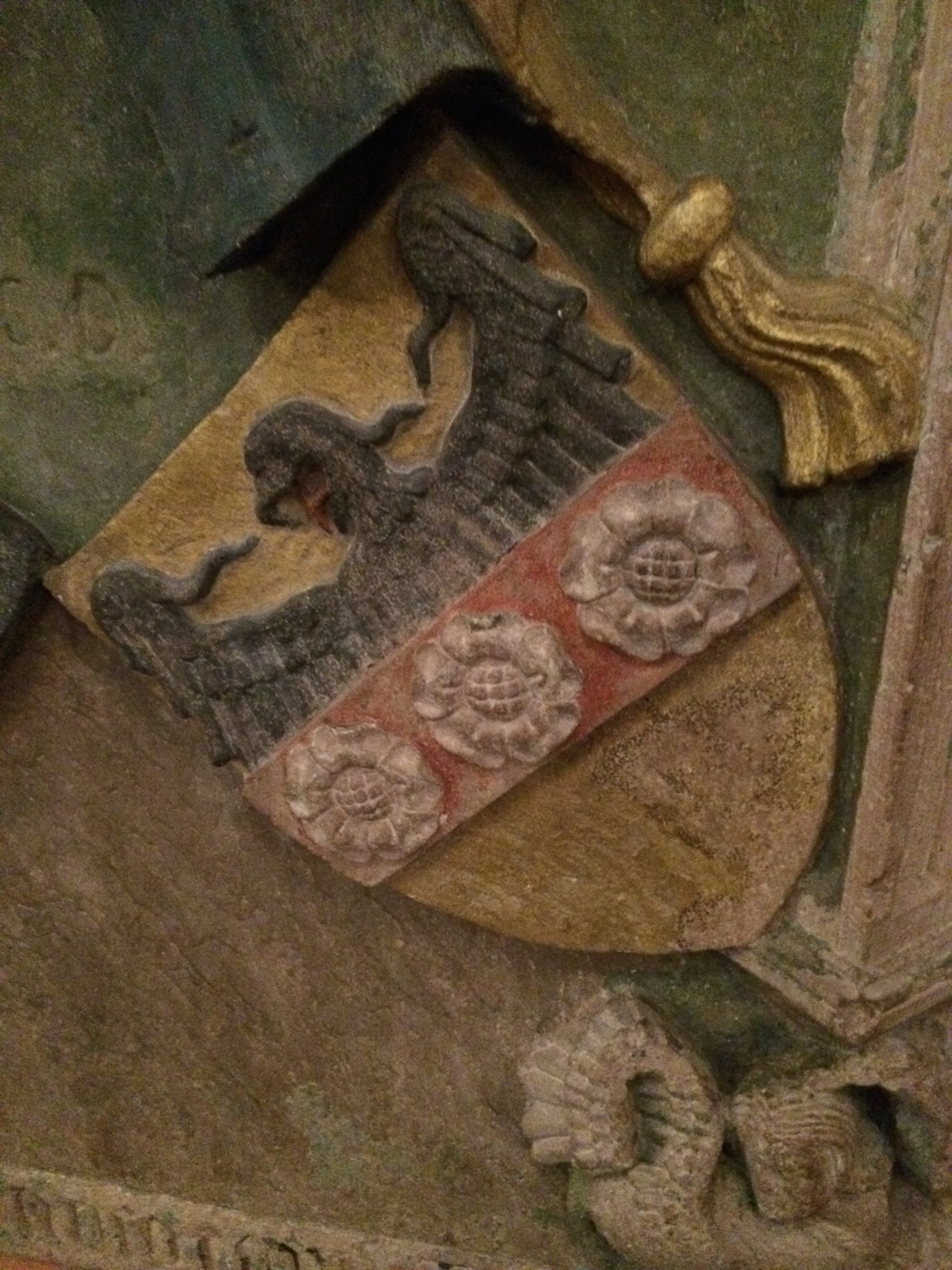
If you were to design a coat of arms for yourself, how would it manifest itself?  What symbols would you include? Colors? Accents? What would be the story contained within the shield?  What if you were to merge with another kingdom?  What symbols would you keep?  Which would you be willing to forgo in order to make space to incorporate symbols that were important to your new partner?

Generous Instructions

IMG_7334You may have memorized the path but how does an individual who is new to your enterprise navigate their way?  Today I was locked in a room that I had entered with a key card.  The only way out was to use the interior door and then come around the outside and re-enter with my key card and prop the door open in order to remove my bags.  I am sure there was a simple way out but somebody made the assumption that everyone would know how to do it.  I needed instructions and nobody was around to help so I improvised.  I am guessing I am not the first one who has found the exit confusing.

What assumptions are keeping you from serving those who are seeking you?  How can you add value by being more generous in directing them towards you?

A Vision From Here

There is value in starting from where you are instead of trying to return for a clean piece of paper.  Take Ruth Oosterman who uses her 2-year old’s sketches as the foundation for her finished work.  Their collaboration is intriguing and arguably richer due to the individual visions finding a point of confluence.  How can you create a more powerful vision starting from where you are today?

Simple Things, Profound Interactions

IMG_7126List an older bike stand for working on road or mountain bikes on craigslist.  Within a couple hours I received eight replies expressing interest and each email told a story suggesting a need more profound than the transaction I was attempting to undertake.  Sometimes simple opportunities are highly desired and people are willing to share their stories to express the value of an interaction.

Authority

IMG_5749When did we have to start announcing that we have information on “good authority.”  How was the cycle of trust with authority broken sufficiently that we need to start qualifying our source of information.  What were the circumstances to so disappoint someone with erroneous information that authority could no longer be trusted.  Are you an enterprise that relies on authority or good authority?

Streets Are for People

Paradigm shift?  What if we started with the belief that streets are for people.  Vehicles are some of the transportation tools we use to access streets but streets do not exist solely to serve vehicles.  When we consider all the possible way people can interface with streets new opportunities appear.  When we think differently, we open the possibility for remarkable interactions.  How often do we challenge our assumptions?