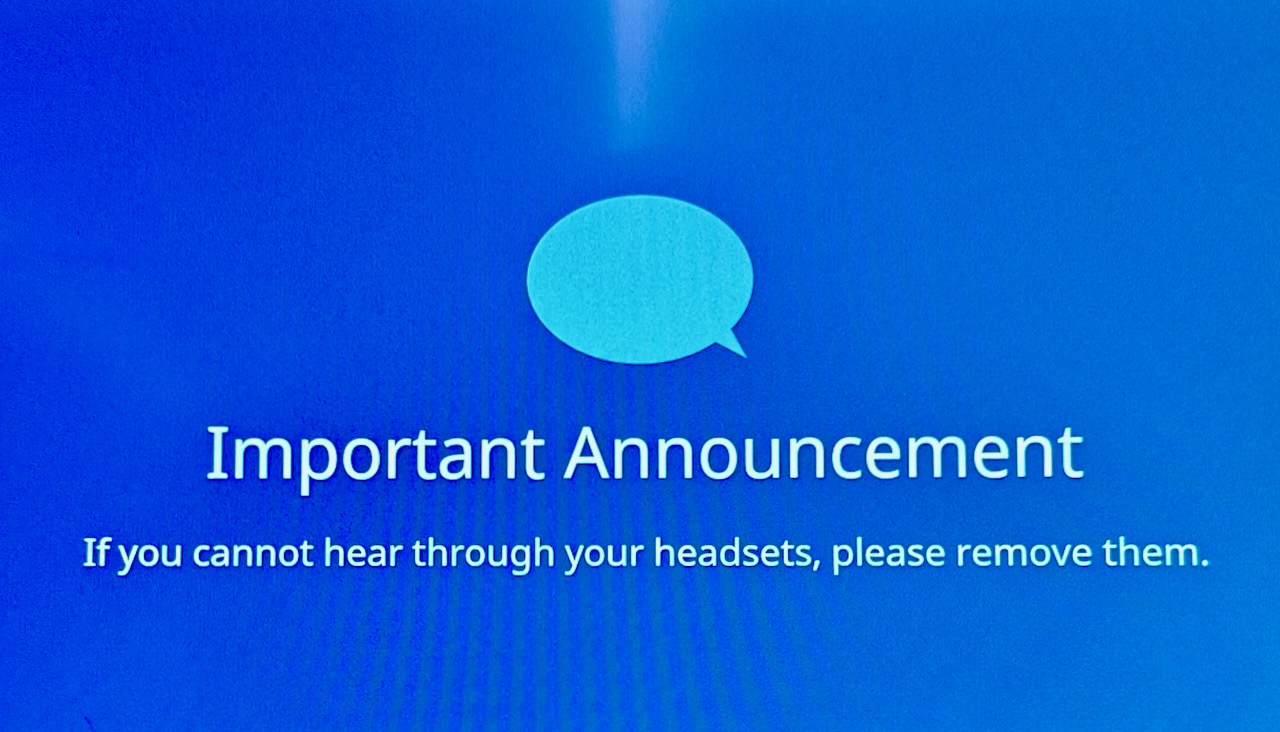
If you make everything “important,” it is challenging for the essential information to reach your target. As a listener, it takes a lot of energy to absorb too many communications that are all prioritized the same.
If you make everything “important,” it is challenging for the essential information to reach your target. As a listener, it takes a lot of energy to absorb too many communications that are all prioritized the same.

"Something hidden.  Go and find it. Go and look behind the Ranges -
"Something lost behind the Ranges. Lost and waiting for you. Go!" -Rudyard Kipling

What gets you seeking?  What keeps your adventure going?

Seeing a Coors can flattened in the dirt on the side of a 4-wheel dirt road is an iconic signature of the American West. It can easily be defined as trash and littering, but for some, it is confirmation that they exist in a location that represents their values. Coors has branded itself as coming from the heart of the Rocky Mountains; seeing a Coors can is evidence.
Not all iconic moments represent our best work. They do tend to rhyme with our values and beliefs.

When we share a Magnetic North (purpose, vision, mission, and values), it is easier to decide on behalf of the group if we arrive at an intersection first. If we are unclear about our compass, we will likely wait for the group to assemble before proceeding. If we consider generative questions when our environment is stable, we get clarity on where the boundaries exist for our team. We can forerun future events if we deliberate about unique situations our peers encounter. A culture of curiosity allows us to focus on the work that matters and guides our reaction when we find ourselves lost in the wilderness.
We cannot always be together, call a meeting, or wait for an answer. Periodically, we must act for the whole. A sense of shared purpose and a calibrated compass enables us to navigate, even in unfamiliar terrain.

Speed changes our sense of scale. Flying in a commercial aircraft over the landscape at 30,000 feet, we can take a peak out the window, then sip on a drink for fifteen minutes, and upon looking out the window again, the geography changes. However, shouldering a backpack and tugging on hiking boots, traversing the terrain becomes a colossal undertaking, perhaps taking weeks to cover.
How might we recognize that the speed at which we move changes the sense of scale? How might we account for the delta between a road trip on an interstate and a thru-hiker on the Continental Divide Trail? How might we understand the scale facing those that we serve?

I received a webinar invite focused on incorporating well-being into the corporate workplace. It made me realize that one of the social sector’s best attributes is prioritizing the well-being of those it serves, and that mindset reverberates in the workplace. There are numerous upgrades that social sector team members might yet experience, but the advantage of being attuned to the well-being of others is it sets the intention. A powerful platform from which to build a more dynamic ecosystem.
How might we match the level of empathy and care for those we serve in our workplace?

What commitment have you made that generated a nervous feeling? Was it the uncertainty, the scale of the endeavor, the unknown result, the inability to de-commit?
Feeling nervous can be viewed as a privilege in some situations. We put ourselves on the starting line of a race by choice. However, it can also be generated by external forces, a deadline, a demand placed on us, or unfortunate circumstances. Nervousness heightens our senses, and we must react. We might feel isolated, as if on an island with insufficient space to gather resources and respond. Our mindset could be our most significant advantage or disadvantage at this moment. How we frame nervousness has a profound impact on how we act? Seeing a competition as a celebration of all the training we endured has a different feel than seeing a race as an event filled with moments of possible failure.
How might we embrace the privilege of nervousness (when appropriate) and celebrate the opportunity to act? How might we recognize that we may not always have the chance to feel nervous and this is a unique moment?

Watching a concert pianist from the keyboard’s point of view offers insight into their talents. If we always observe events from the same viewpoint or sit in the same seats, we are missing out on gaining additional perspectives. As a former collegiate cross-country skier, I recall that the NCAA champion skier on our team would preview the final kilometer of the race course by skiing it in reverse before turning around and skiing it as we raced. He gained more understanding of the course profile by seeing it backward before practicing it forward.
How might we seek out new points of view to better understand the place we occupy? How might we remain curious even when our patterns are habitual?
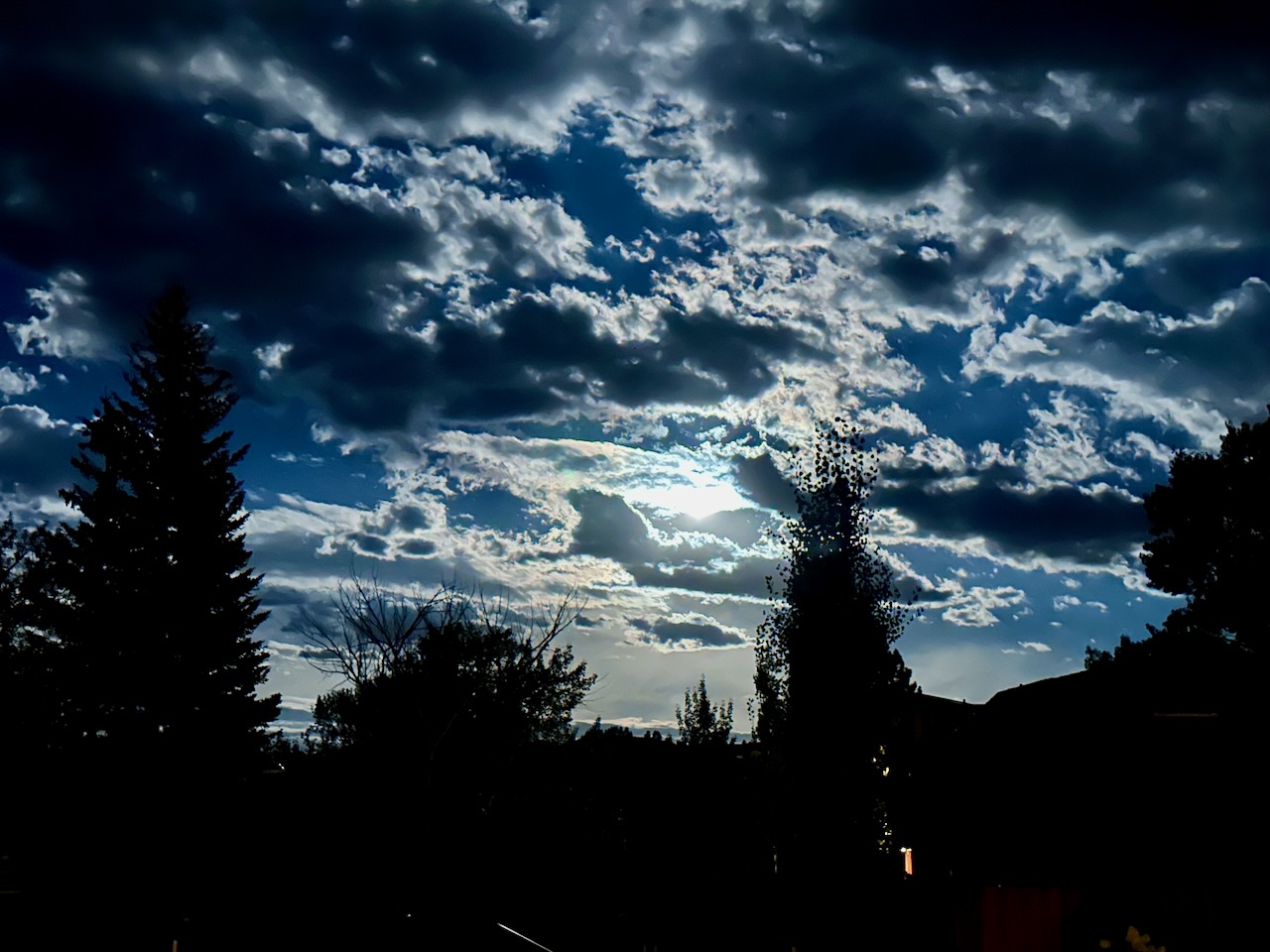
Is the above image an overexposed daytime shot or an underexposed nighttime photograph? When we are uncertain about the subject, it can frustrate us or increase our curiosity. If a full moon presents itself during a meteor shower, we probably miss the best viewing opportunities, but we might search for meteors visible on the periphery. If heavy clouds fill the evening sky, we might quickly give up hope of any viewing opportunities.
Shadows create opportunities to engage others more profoundly and create additional meaning. Or, they can isolate us and keep us from being visible to those searching for our services. How might we position ourselves so shadows add depth and dimension but do not obfuscate our work?

A relative’s daughter transferred to a new High School this year. She is joining as ‘the new student,’ trying to navigate the complexities of teenage networks. After her first day, friends from her previous High School texted her to ask how the day had gone and about her experience. To me, this is the best of humanity, looking out for others as we aspire to be forces for good.
A recurring question from social sector organizations is, ‘Why have a strategic plan?’ Their typical barriers list include time, resources, frustration with the process, lack of engagement, failure of past plans, etc. I respond with counter-points and shifting mindset possibilities. However, I changed my focus the other day, advocating that these plans are for those we serve. They represent a hat tip, a shout-out, and an ‘I see you’ text to our community. It is a promise that we value their presence, and here are our best ideas to serve each of them. It is an opportunity to offer a point of confluence, a shared journey forward, but it only works if they have a seat in the boat to help us paddle around the next bend.
What if your next plan adopted the perspective of a shout-out to those you serve, reminding them of the miles traveled together and the opportunity to craft a narrative for what will come? What if it is as simple as texting your fans, ‘We see you. Thank you for being with us. Will you join us as we strive onwards?’
 What-if-concepts