
Sometimes, it takes a better backdrop for our work to resonate. We believe we are visible, but instead, we are camouflaged against our surroundings. How might we see our work as a third party instead of only looking outwards from our perspective?
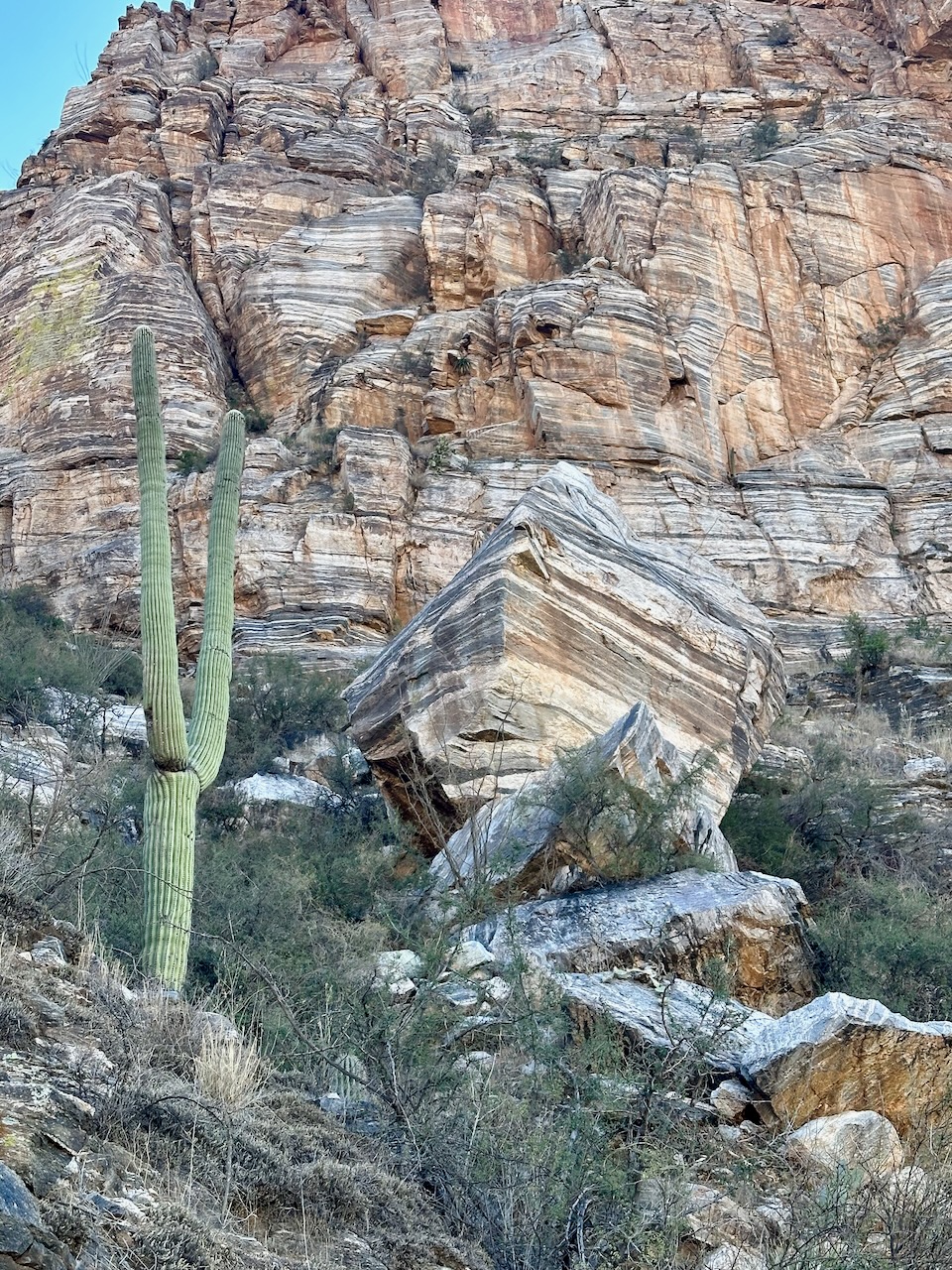
Sometimes, it takes a better backdrop for our work to resonate. We believe we are visible, but instead, we are camouflaged against our surroundings. How might we see our work as a third party instead of only looking outwards from our perspective?

What peak are you climbing next? By reaching the summit, what achievement is gained? What did you learn when you climbed the last mountain? Sometimes we climb because the trail leads us in that direction, other times we are more intentional with our route selection. How might you plan your next ascent?

The clock started when the event commenced. However, there might be two results at the finish line. If you moved without delay, elapse and moving time are the same. If you take breaks or stop, elapse and moving time are no longer correlated. Thru-hikers complete the entire route without stopping except to re-supply. Section thru-hikers complete the trail in segments, taking multiple years to move from end to end. It may take both groups the same number of weeks to finish; one user contained within a season, and the other spread across years.
It might be helpful to uncouple elapse and moving time when discussing our progress. Not all conditions are right to move continuously on our projects, and therefore, pausing may be the best decision even when it means the timer at the finish line continues to count upwards.
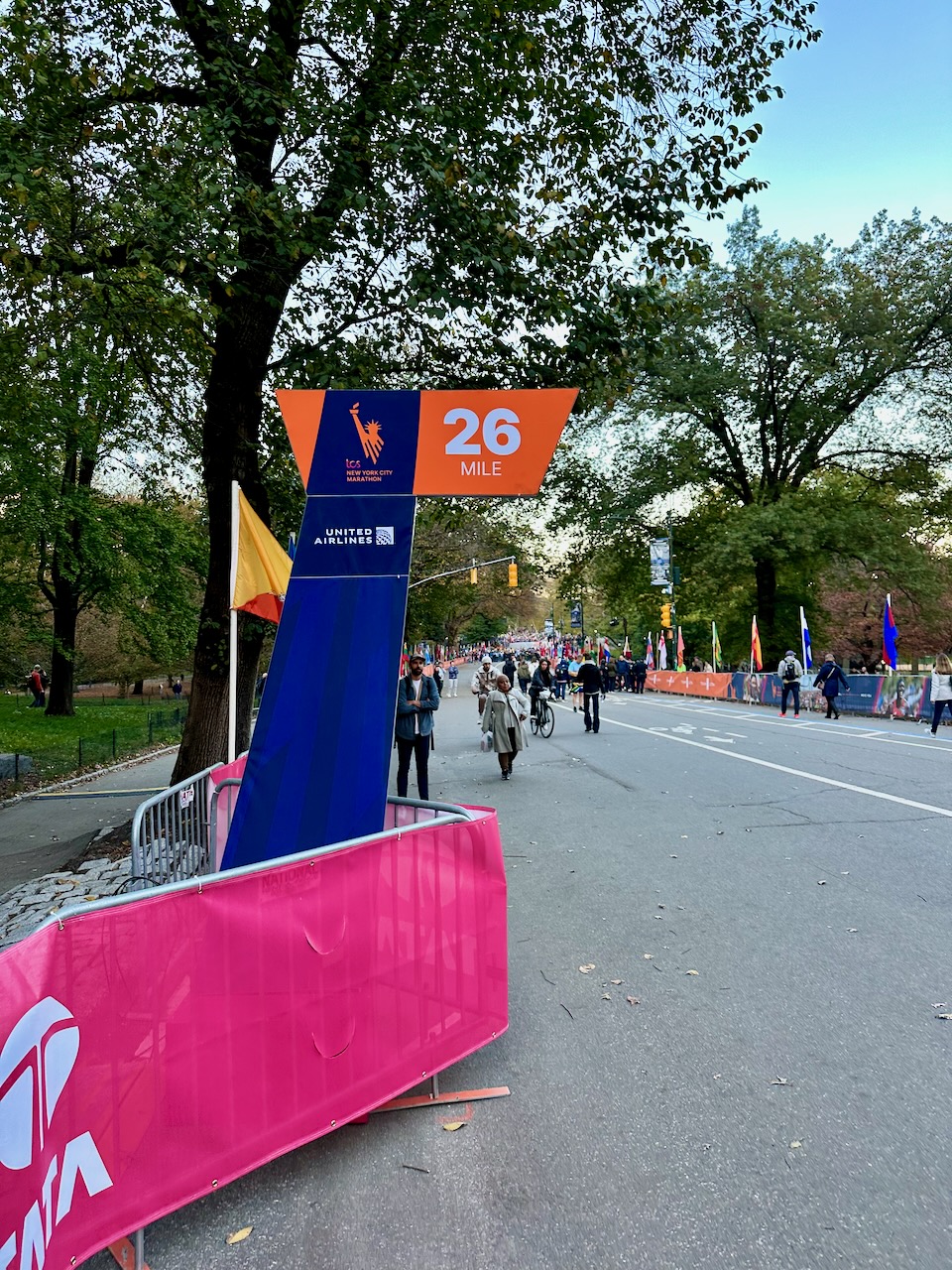
A mile marker by itself is random. The ’26-mile’ mark at the end of a marathon is cause for celebration because it is one of a number in an unfolding journey.

If you were selected to produce a mini-series, what would you choose as your topic? What story would you tell? How would you add depth to the main characters? What is the series’ purpose (entertainment, education, documentary)? What outcome do you anticipate for your audience after viewing the series?
Often, strategic planning parallels a mini-series. We select a journey we hope to travel, then procure the crew, cast, locations, and resources and set a timeline. We adapt and overcome as unanticipated barriers appear throughout production.
One of my favorite Netflix series is The Queen’s Gambit. The production team took an intellectual and static game and provided depth and dimension. They expanded the fan base far beyond chess aficionados. In chess, the intention is to predict the future and implement a strategy but adjust our play constantly. There are parallels to the social sector, where we often need help to gain engagement. How might we present our work with authenticity? All the chess matches in The Queen’s Gambit were based on real games and make it resonate for those seeking to make a difference.
What mini-series are you producing? What are you dreaming about launching?

External factors such as temperature, audience participation, number of donations, frequency of communication, and reception might change our mindset. A sunny trail run that hits a pocket of wintery mix might turn from an enjoyable exploration to a survival event. We might exchange our core question, from where to go, to how to get back to the trailhead. How might we prepare for external factors to alter our focus? A bear encounter during a camping trip might put us on heightened alert, but a fantastic sunset overlooking a mountain lake might be the most tranquil moment of our year.


Why is a culture of curiosity essential? A change in perspective might alter the reality that we encounter.

Let’s add depth and dimension to our work by illuminating how we strive to serve others. Behind-the-scene tours focus on how the work is completed. We can hear about the obstacles that nearly derailed the project before it was completed. We can see the errors that were left in the construction phase but now are iconic hallmarks. We can feel the commitment to the process.
How might we share our work so our masterpiece has more depth and dimension?

Vision statements resonate when they present a picture of a better tomorrow, a problem solved, a better way, more opportunity, greater access, and/or removing barriers. It is harder to get inspired when vision statements are bland or redundant (e.g., make the world a better place). They can be simple. Achieving the vision might cause your enterprise to consider a new line of work. If oncologists share a vision to cure cancer, reaching this milestone means that a new line of inquiry or one big celebration party and disbanding is needed.
How might your vision identify the headwaters of your journey? How might it inspire with sufficient clarity about the work that matters?
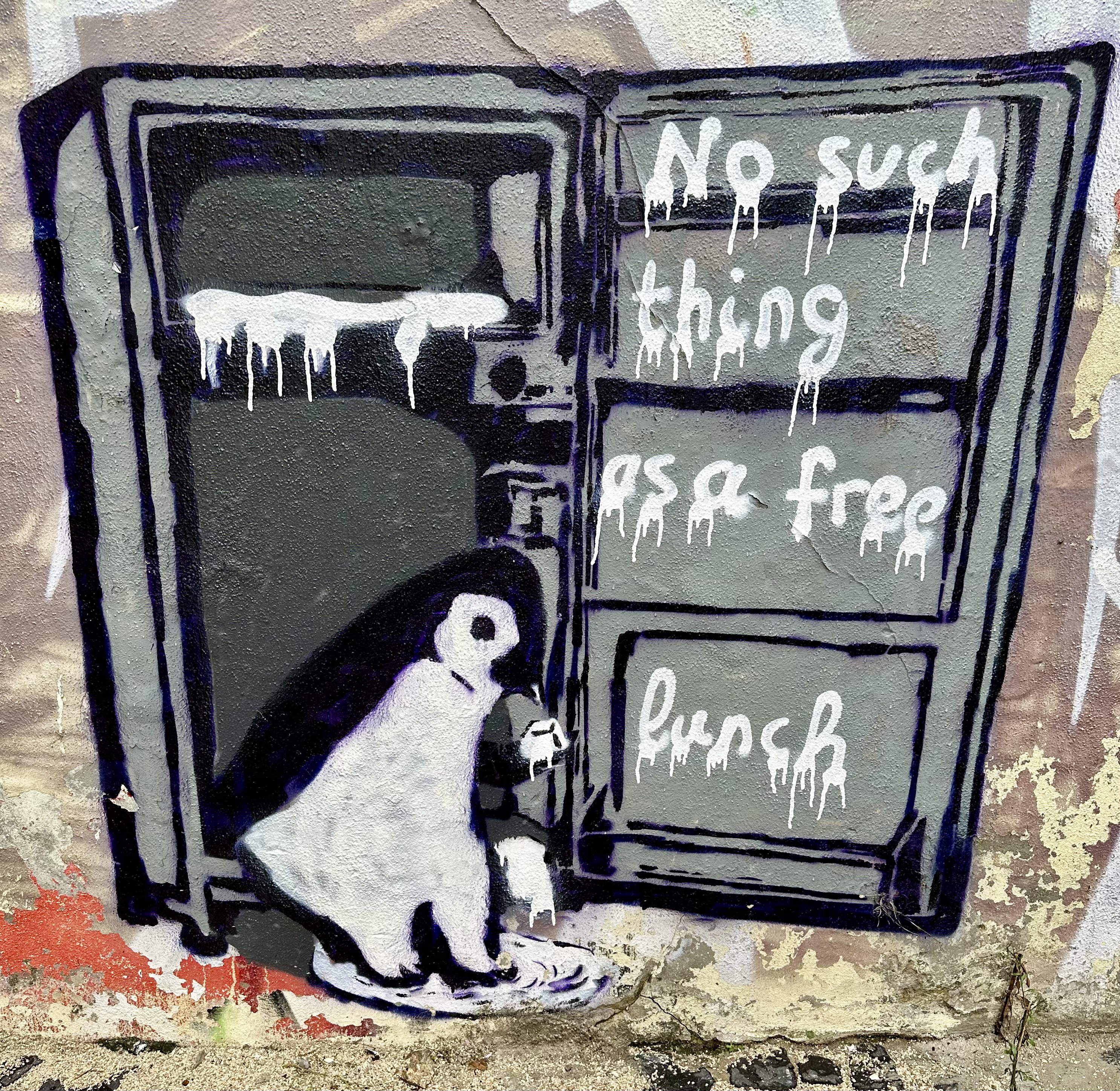
How do you share your point of view? Is it memorable? What narratives and points of engagement do you employ?
 What-if-concepts