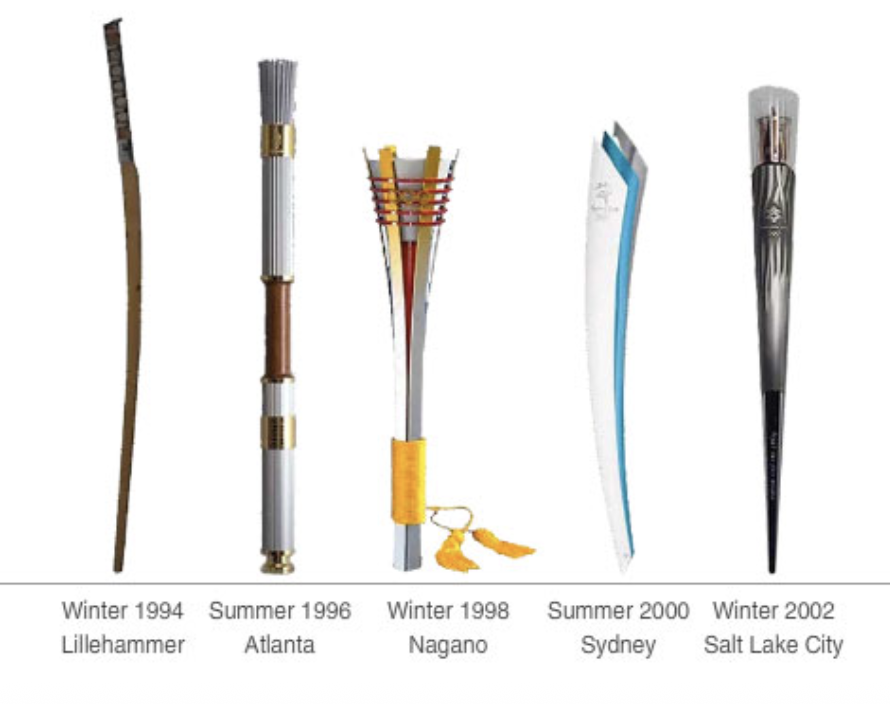
If your enterprise were to run a torch relay, similar to the Olympic Torch Relay, what would be the design of the torch? Which symbols would you include?
If your enterprise were to run a torch relay, similar to the Olympic Torch Relay, what would be the design of the torch? Which symbols would you include?

Disney changed the color of lifeboats on cruise ships and created the design for marking the difficulty of ski runs. Disney wanted a different color scheme for lifeboats, so they did research and convinced the US Coast Guard to expand the acceptable palette of lifeboat colors. When Disney considered owning and operating a ski resort, there was no universal system for marking the difficulty of ski runs. Disney created a system that was adopted by many ski areas. Ultimately, Disney never launched its ski resort but altered the ski industry.
We are all working to change the system in some way. We are trying to enforce the existing system, expand the system, or break the system. Understanding that we might effect change without being stakeholders is a paradigm shift.
Rue Goldberg machines blend engineering, creativity, and autonomy. Designing and building a contraption is an art form. It requires the ability to trial scenarios and use objects in innovative ways. Watching the finished product in action can feel anticlimactic since we anticipate all the obstacles have been removed.
It occurs to me that some groups committed to strategic planning view their process as assembling a Rue Goldberg. They intend to design an elaborate apparatus, commit to a period of trial and error, and then reach a state of predictability where initiating a single event at the start will reach a desired ending. While relying on ingenuity and being flexible in deploying everyday initiatives are consistent with many planning efforts, the controlled environment is unrealistic. Obstacles are what divide planning and acting. We can always reach for tomorrow but only have today to shape the behaviors and processes that will impact our trajectory.
How might we remain flexible as we activate our plan on a daily basis? How might we recognize our plan is at best an outline, if not just some scribbled notes in the margin? How might we embrace the unanticipated instead of building elaborate set pieces to avoid disruption?

Despite a simple design, the package label was affixed to the box in the wrong corner. The parcel arrived and no delays were encountered. However, the designers must wonder what they need to do to achieve a higher level of compliance.
What systems have we established that appear straightforward and yet the plurality of users fail to follow the instructions? What works but not as designed? Is it worth redesigning or living with individuals struggling to follow the instructions? How many people wander down the ‘do not enter’ entrance, take photos of the protected artwork, reply to unmonitored email addresses, make contributions without designating their intentions, or ask questions before the Q&A session? Nothing was broken but the system grinds a little louder.

An item might be useful but elicit more disappointment than delight. Another design of the same object might enhance our mental engagement and delight while being utilitarian. How might we find the balance that supports our work?
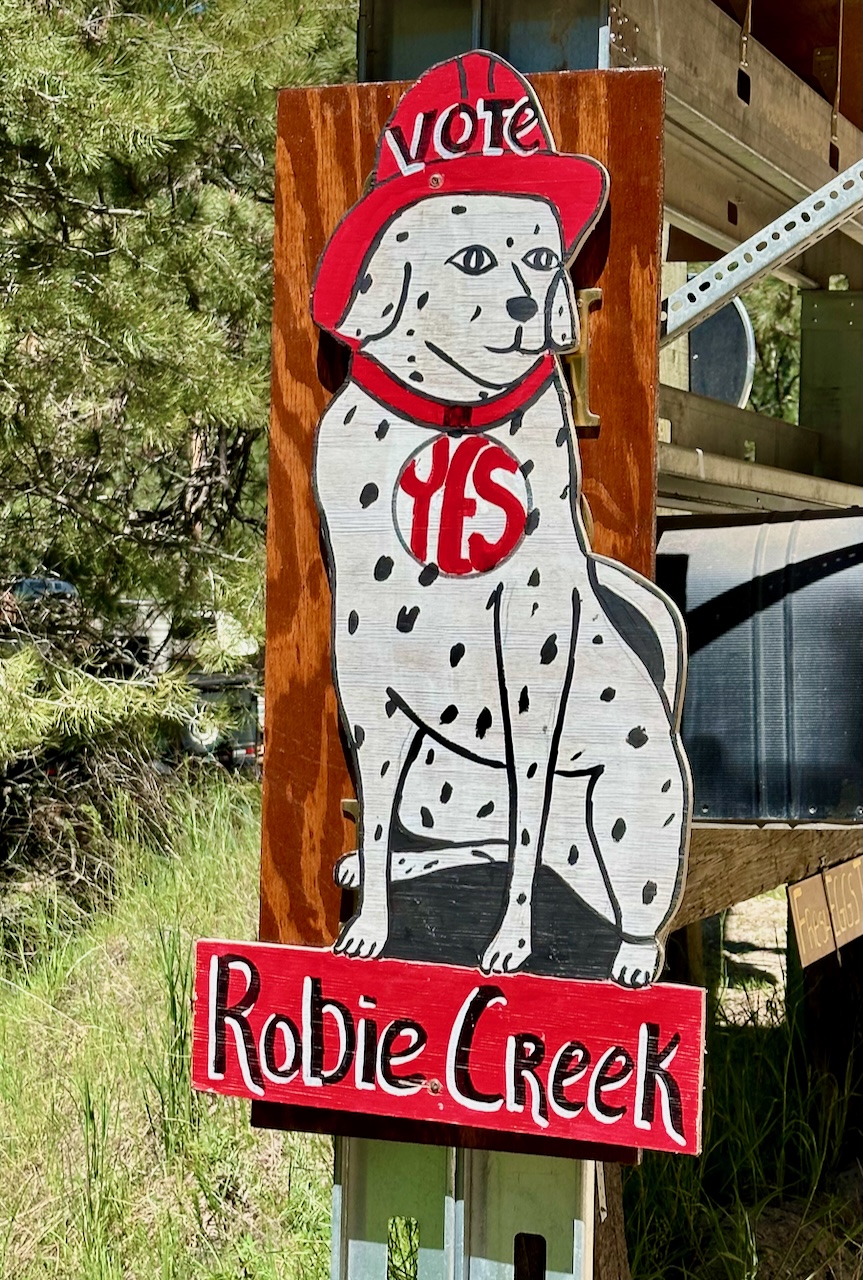
Sometimes, art touches us in a way that a coherent case based on the best facts does not. There are occasions when a well-placed design does more than any paragraph might. I am not sure I found the right Polar Bar when doing a quick internet search, but their design makes me curious to learn more. How might we embrace the aesthetics embedded in our purpose?


When did current design become the adopted expectation? How much resistance must we overcome to achieve the next iteration? How much external force act as a catalyst? Does disruption accelerate new ways of thinking?
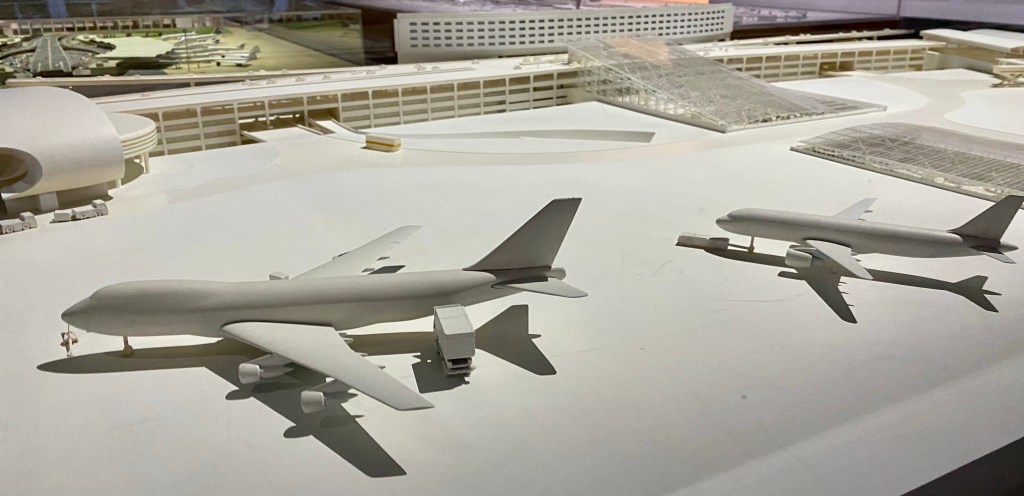
If you are an airport or airlines, the ability to make significant changes occurs on a large scale and requires numerous resources. Often, we are still in start-up mode and nimble enough to adjust quickly but we assume the mindset of working on a global scale.

 What-if-concepts