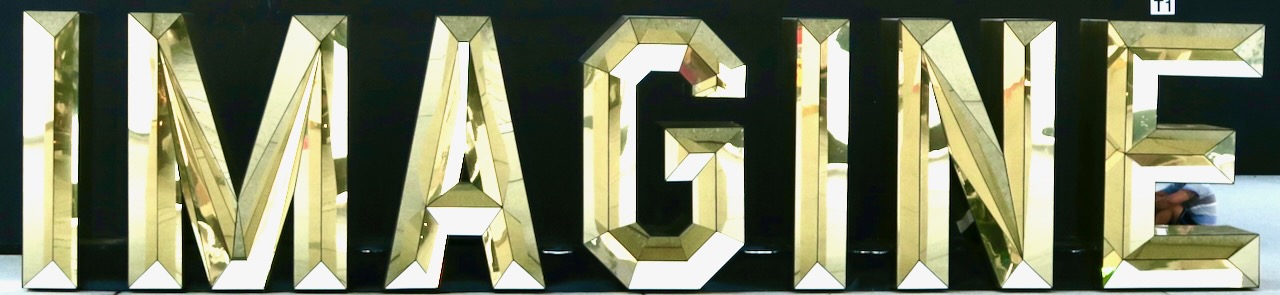
Generative Thinking

Together or Separate

When we share a Magnetic North (purpose, vision, mission, and values), it is easier to decide on behalf of the group if we arrive at an intersection first. If we are unclear about our compass, we will likely wait for the group to assemble before proceeding. If we consider generative questions when our environment is stable, we get clarity on where the boundaries exist for our team. We can forerun future events if we deliberate about unique situations our peers encounter. A culture of curiosity allows us to focus on the work that matters and guides our reaction when we find ourselves lost in the wilderness.

We cannot always be together, call a meeting, or wait for an answer. Periodically, we must act for the whole. A sense of shared purpose and a calibrated compass enables us to navigate, even in unfamiliar terrain.

A Walk In the Woods

A walk in the woods builds numerous benefits, as the University of Utah reports. Using EEG monitors, the study invested in quantifying data that was less pronounced in previous experiments that relied on self-reports from subjects.

How might we adopt access to nature in our workplace? How might generative thinking expand due to our ability to interact with nature?

Does Imagining Happen?

When do you and your team spend time imagining? Is it scheduled or happen organically? What is the mindset when it takes place? Is there a location where it seems most productive?


An organization with a headquarters building containing an open lounge with extraordinary mountain views overlooking an iconic river insisted we meet in the conference room, sequestered in the interior of the building. When I inquired about the location of the blue sky thinking session, the response was that all meetings take place in the conference room. The venue selection hindered the opportunity for generative thinking before the gathering commenced.


How might we embrace a culture of sense-making without starting from a place of tradition and hierarchy?

Cowboy Songs

Cowboy songs are easier to sing when out on the trail while riding one’s favorite horse. They are more challenging to belt out when sitting in a corporate board room while wearing a suit.
A sense of place impacts our mindset and effectiveness.

Ask a team to engage in a brainstorming session or blue sky thinking after everyone has spent sixty minutes going line for line through a proposed budget, and the results might be less than remarkable. Going offsite and walking in the woods before gathering in a comfortable place to think generatively may be a more productive course of action.


How might we set ourselves up for success by putting ourselves in better locations?

Way-Too-Early Thinking

The NCAA National Championship football game finished last night. This morning several sports outlets had their 2023 National Championship predications posted. All employed the “way-to-early” headline.

It make me wonder. Is it too early? Is this exercise worth anything other than entertainment? I am certain none of these lists is an exhaustive look at all the possible iterations, considerations, alterations, and demarcations of the coming season. So is their value?

If it sparks questions, I think there is value in us embracing way-to-early thinking. If it opens our peripheral vision or creates considerations we had not previously pondered, then value added. If we head to a Las Vegas sports book with this information and double-down on future fortunes, then way-too-early might be a recipe for disaster., especially if we invest too much.

How might we adopt way-too-early thinking in a constructive and enlightening manner, even if we encounter a sense of overwhelm and fatigue? If we believe all our future considerations fit neatly on a 12-month calendar cycle, perhaps we are way-too-late.

Curious

fullsizeoutput_17ca

Worst flight ever?  It could be.  Let us get curious before we write a letter of disappointment to the airline’s customer care department.  It is a flight over France, in July, between two cities at the edge of the Alps.  The plane is used to relay live video feeds from sporting events.  The flight path indicates the event moved about 200 kilometers?  It appears to be following a route over secondary roads and moving forward at an average speed of 45 kph. 

Of course, you got the answer now, right?  The event’s nickname is La Grande Boucle.  It last three weeks and finishes in Paris…

The answer as you have discerned is the Tour de France.  The plane provides ariel support for the motorcycle camera operators and the helicopters that hover just above the peloton.  Without context, this flight path looks illogical.  Apply generative thinking and options start coming to mind.  Perhaps we should remember to ask, ‘what else could this be?’  Considering alternatives might be our greatest asset before acting.


Generative Thinking Meets the Storm

Screen Shot 2015-02-07 at 4.50.38 PM

It is easier to ask ‘what if’ questions when they are generative.  When we have time to consider the answers without the pressures of a burning platform.  Does your enterprise think generatively?  What if our cause was asked to share our story in the New York Times   What would we say?  Who would speak?  What would we showcase?  What if our signature event was cancelled due to elements beyond our control?  How would we communicate?  Would our response reinforce our beliefs or would our values be inconsistent with our actions?  How could the unexpected enhance our reputation?

Dedicating time to engage our decision-makers in low risk generative thinking  leads to higher results when major events take place in real time.  Fire Departments train responders to avoid making an emergency worse by acting inconsistent with the training.  Putting ourselves or the organization in peril serves little benefit to those who believe in your cause.

Our best thinking is perishable if we do not use it.  If the wind is not blowing, we can still practice tying knots, navigational skills, and hoisting sails so we are more competent when the storm reaches us.

A Thousand Feet Below

Alexandra Franzen proposed a few powerful questions last week on her blog.  It was shared with me and I read it hastily on the way to catch a flight.  Only once I was securely captive in my window seat as I jetted across the continent did the power of her questions begin to unfold.  As I peered out the window I caught sight of another aircraft piercing the sky headed in the opposite direction, a thousand feet below and moving expediently into the vacuum of airspace that we had just vacated.  A three second encounter gave me pause.  It forced me to try to calibrate the power of air travel.  How quickly I took for granted the physics, technology, and decision-making that allowed me to sit in an abstract state contemplating something completely irrelevant to aerodynamics, engineering, and navigation.  The expertise of the flying ecosystem had allowed me to have a completely different experience than say the Wright Brothers.

When I consider Alexandra’s questions it reaffirms to me the importance of purpose.  If we have not considered the effect, impact, and experience we intended to impart then we miss our greatest super power.  Few people join a cause to raise more money, re-word a mission statement, or attend an all-weekend retreat.  We joined because of an experience that was offered to us and we wanted to share with others.  We want other people to feel the way we feel.

I offer Alexandra’s questions as ones you should bring back to your tribe and ask aloud.  I think this may be the most important dialogue you can have right now.  Otherwise, you may be sitting in a window seat watching your enterprise’s best experiences headed the other way, a thousand feet below.

“What is the effect that I want to have on people?”

“What kind of impact do I want to have?”

“What kind of experience do I want to create?”

“How do I want people to feel?”

Photo Credit