Innovative Concepts

Blazes and Scars

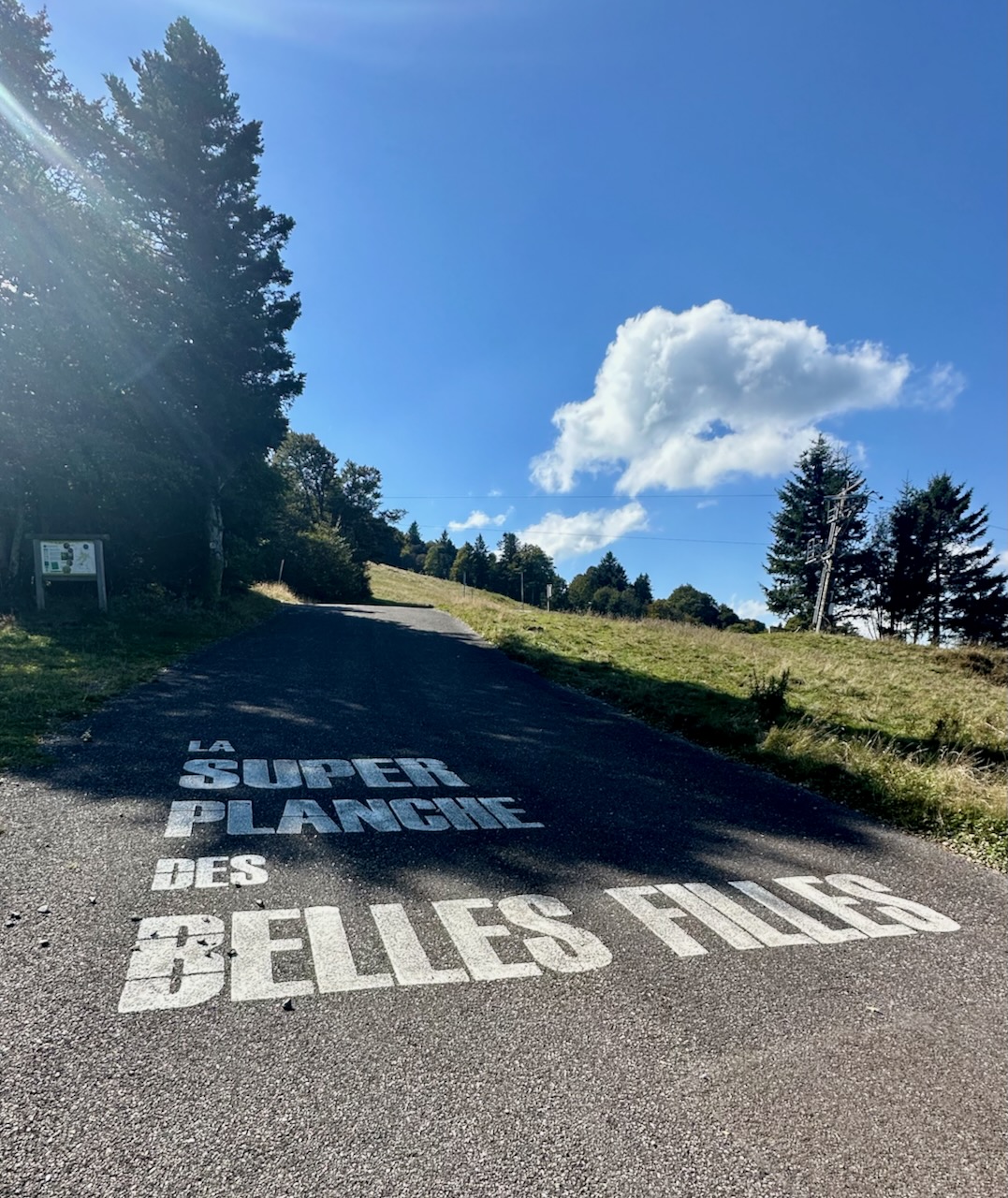
When does defacing a tree serve the common good? Blazing a tree was a common form of marking a route in geography where trees existed in abundance. A uniform combination of markings symbolized that this was human-made and intentional. It contained meaning and assured travelers that they were on an established trail.

Animals also used trees to mark territory, sharpen claws, or satisfy natural instincts. These markings may be considered scars, even though the animal kingdom might believe that these marks served a similar purpose to a human blaze.

How might we expand our mindset to remain curious about the features we encounter during our journey? How might we not pass up the opportunity to double-click on the unknown so we might add depth and dimension to our understanding?
Streak vs Continuity

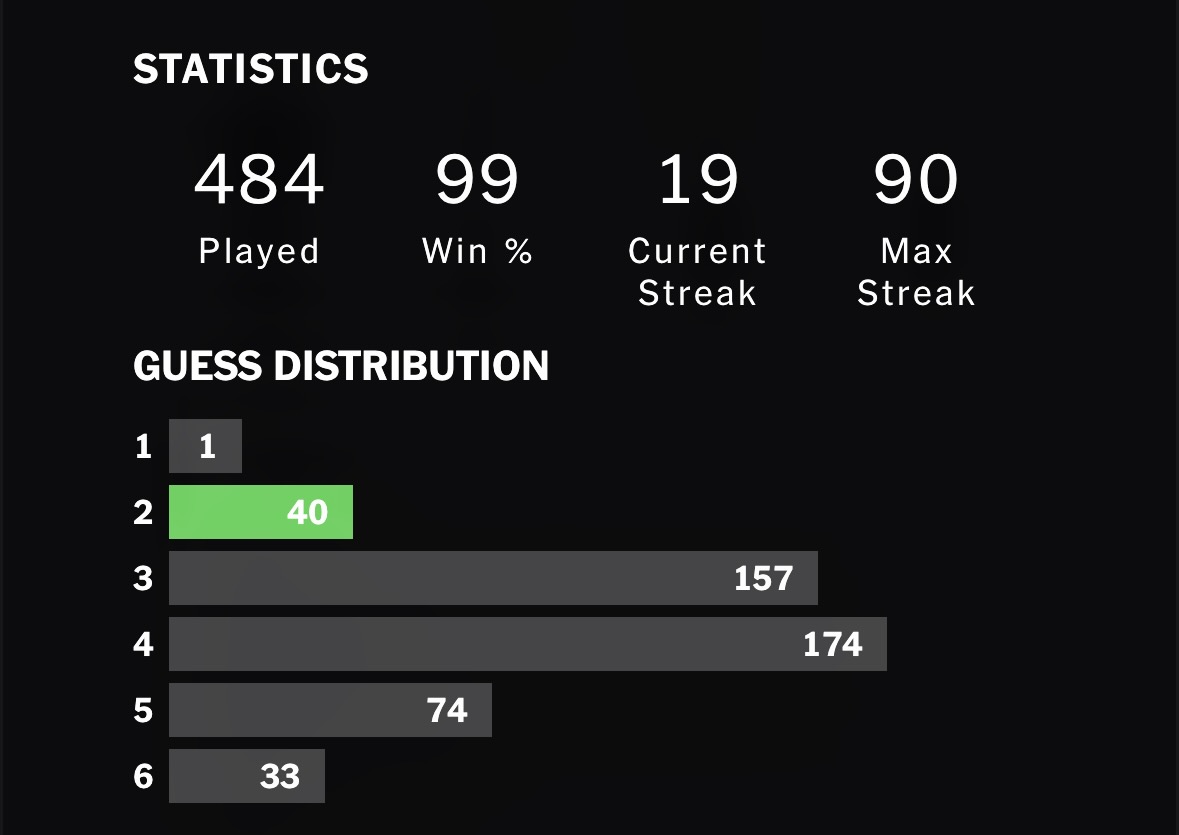
How does a streak impact our mindset? If we show up, post, attend, appear, engage, and lead consistently, are we nurturing the streak or fulfilling our commitment to performing the work that matters? When does a streak start to elevate over continuity? What if we break the streak? Is all our momentum lost? Do we disengage from our area of focus? Reflecting on a streak might be an excellent way to test assumptions and motivations. If your streak is additive (safety, life-saving, essential), persist with all vigilance. If it is capricious and primarily for internal satisfaction, consider if enabling the streak is diverting resources and limiting creativity.

Lagom

Lagom is a Swedish word that translates to “just about the right amount.” What is Lagom for your work? What level of services, resources, engagement, impact, and awareness fit that mindset? So often, the social sector exists in a deficit mindset, driven to scale and expand. If we were to calibrate our work, where would just about the right amount appear on the scale?

Direct to the Destination

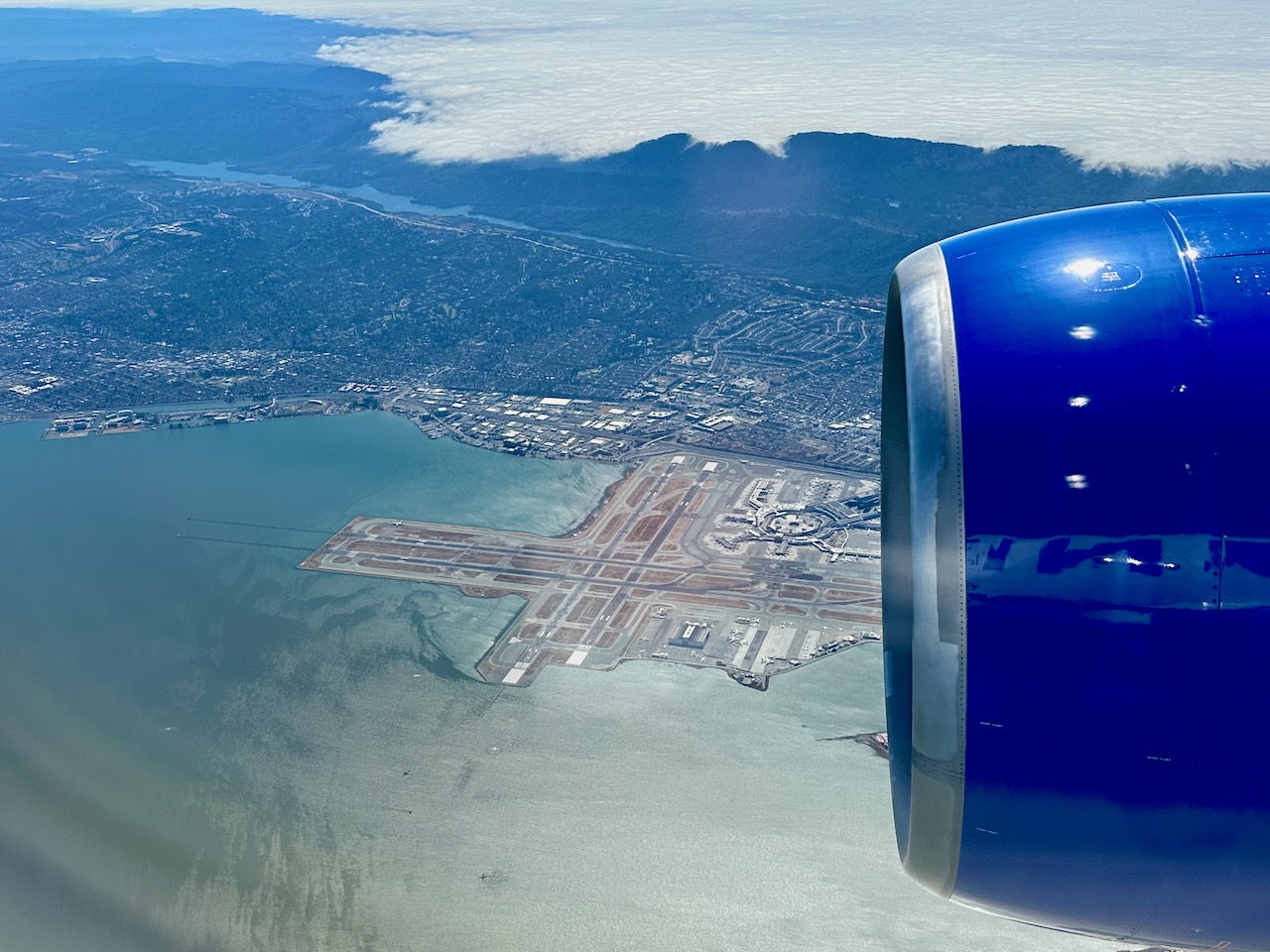
Technically, the pilots could turn the plane in the pictured scenario and attempt to go directly to the airport. The probability of a successful landing is extremely low. It is in the best interest of the plane, passengers, and crew that the flight passes the destination to line up on a final approach that is practiced, planned, and highly predictable.

How might we avoid heading directly to our destination when we are not likely to reach it safely (or with the intended impact)? How might we plan how to arrive, not just focus on connecting the dots between two locations?

Following

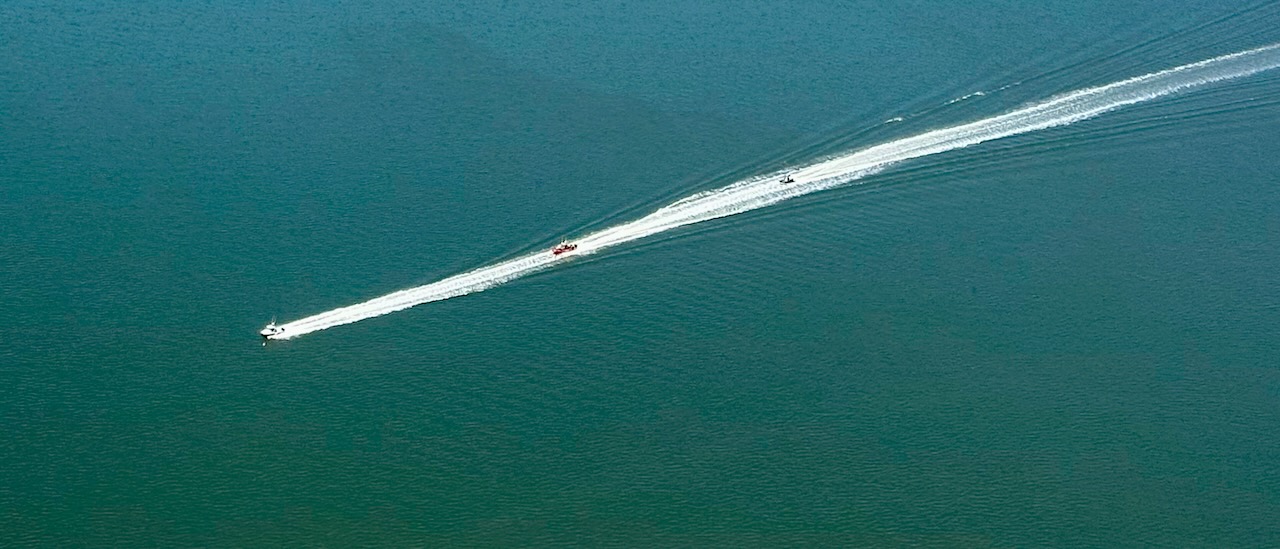
Three boats in a row, the latter two following the wake of the first. Who has the most responsibility in this scenario? Do the second and third boats leverage some leadership to the lead boat? Do they each maintain equal accountability for their autonomy?

It is convenient to allow those we follow to set the course? We can lapse into a daze and miss key landmarks, junctions, possible threats, and options.  It does save us energy and resources to turn over leadership to those who take the point.

How might we be more intentional about when we lead and when we follow?  Who might we remain flexible to break off from the pack when it serves our best interest or the navigation requires individual decision-making?

Two Versions

easyJet flies people between two locations (most likely cities). To maximize the number of passengers, the flight needs to be scheduled in advance and the expectations of what is included (or is a la carte) are best presented in a transparent matter. Then there is the bird (seen above easyJet in the photo) who is also participating in the joys of flight. The bird’s agenda is more flexible and their destination may be unknown.

There are two versions of the same form of transportation. They have different strengths and weaknesses. It is easy to get focused on one mode, one option, one way. Sometimes we need to see an alternative to expand our mindset.

Scale

Flying model airplanes is a passion for hobbyists. It is done on a scale that allows for smaller aircraft, and shorter runways and requires less restricted airspace. But it requires some of the regulations and precautions of a real airport.

Which parts of our work are performed on a smaller scale but still require attention to details that may not be obvious? How do we embed our values into each portion of our work, regardless if it is a mainstage or a pop-up performance?

Bus Stop

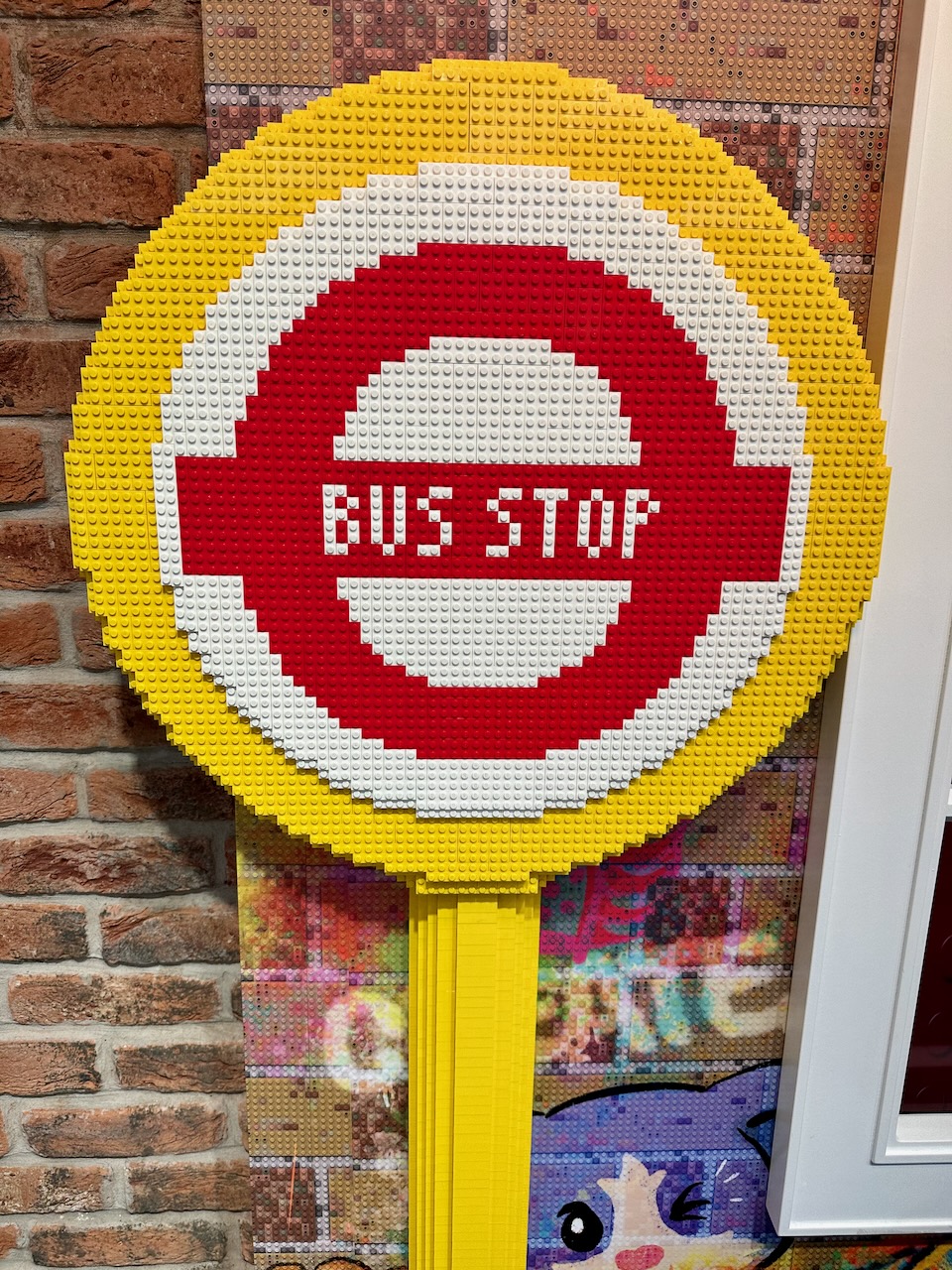
It is not convenient or realistic to wait to engage our fans on the shoulder of an interstate highway between exits. We are more likely to engage if we position ourselves at a bus stop (or any accessible location) where those we serve might be disembarking.

How might we assess if we are accessible to those we wish to support or if we have created unrealistic barriers?

Famous vs Infamous

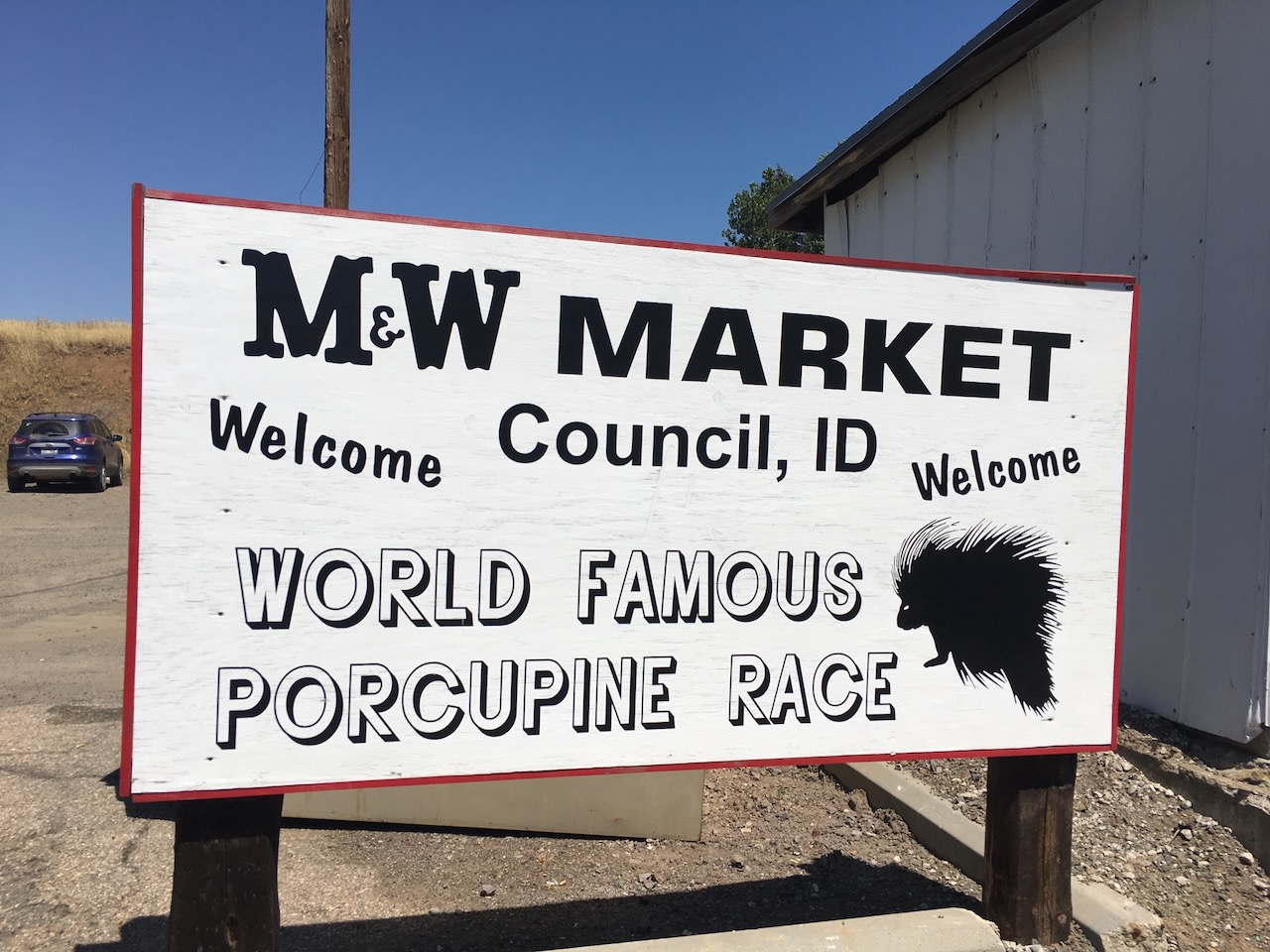
Do you want to be famous or infamous? Famous requires work and excellence. Infamous requires attention and notoriety. Infamous can come quickly. Famous usually is proceeded by dedicated focus and work.

How might we not be tempted by attention even if we risk infamy? How might we remain on course to reach a level of dedicated service that fame reaches you?