Innovative Concepts

Direction vs Speed

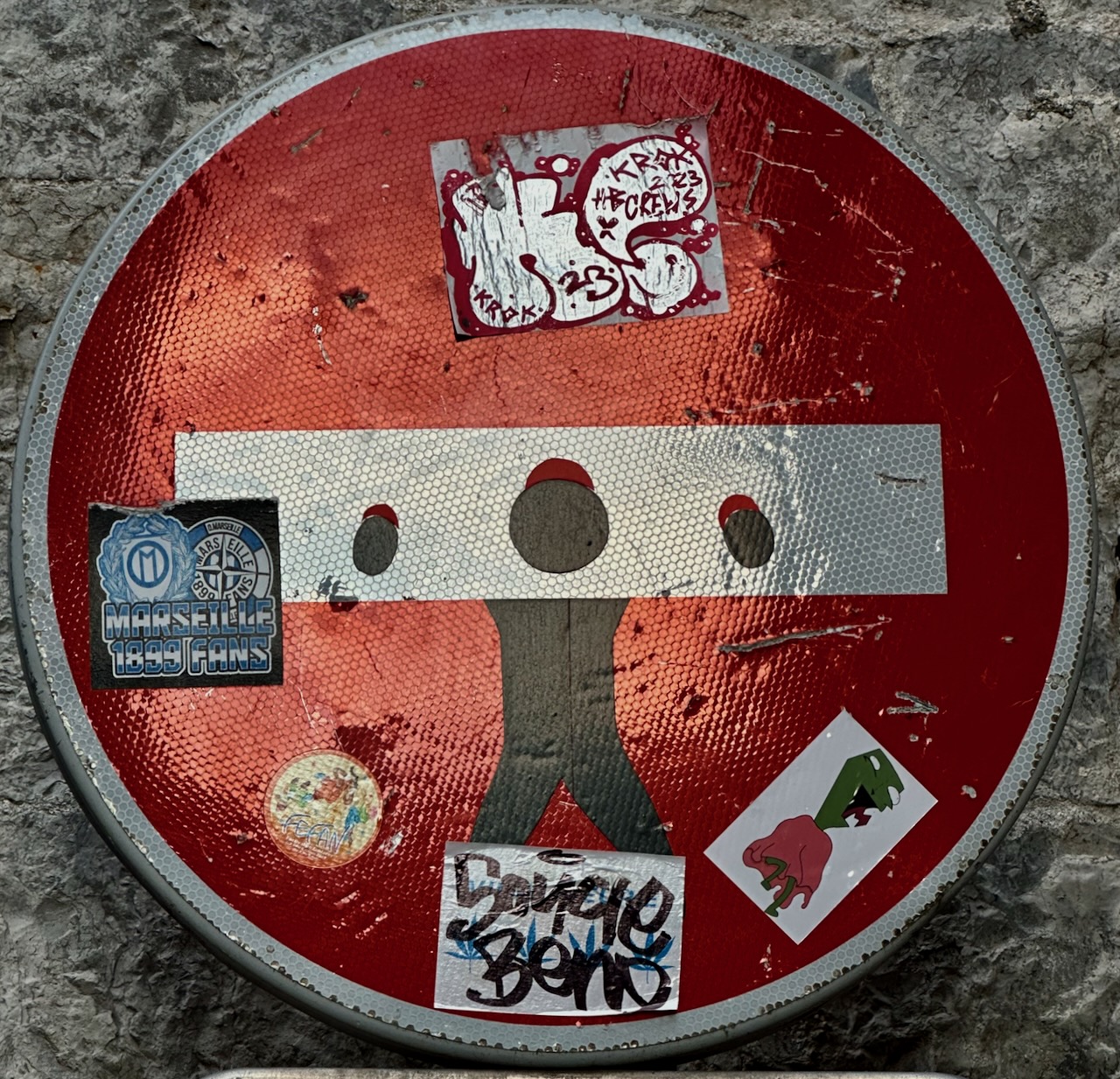
In many cases, direction is more important than speed. A fire truck responding quickly to a structure fire provides little use if it is dispatched to the wrong address. An Olympic marathon runner who misses a course marker does not medal if their error takes them too far off route, despite maintaining the quickest pace per mile. The Concorde was highly dependent on speed to stay aloft and amplify its brand. Yet, covering the distance from NYC to London in record time is irrelevant if the plane lands in London, France.

Pausing to confirm alignment with magnetic north (or a critical bearing point) might make our work more constructive, even if we arrive without securing the fastest known time.

Yes or No Photo

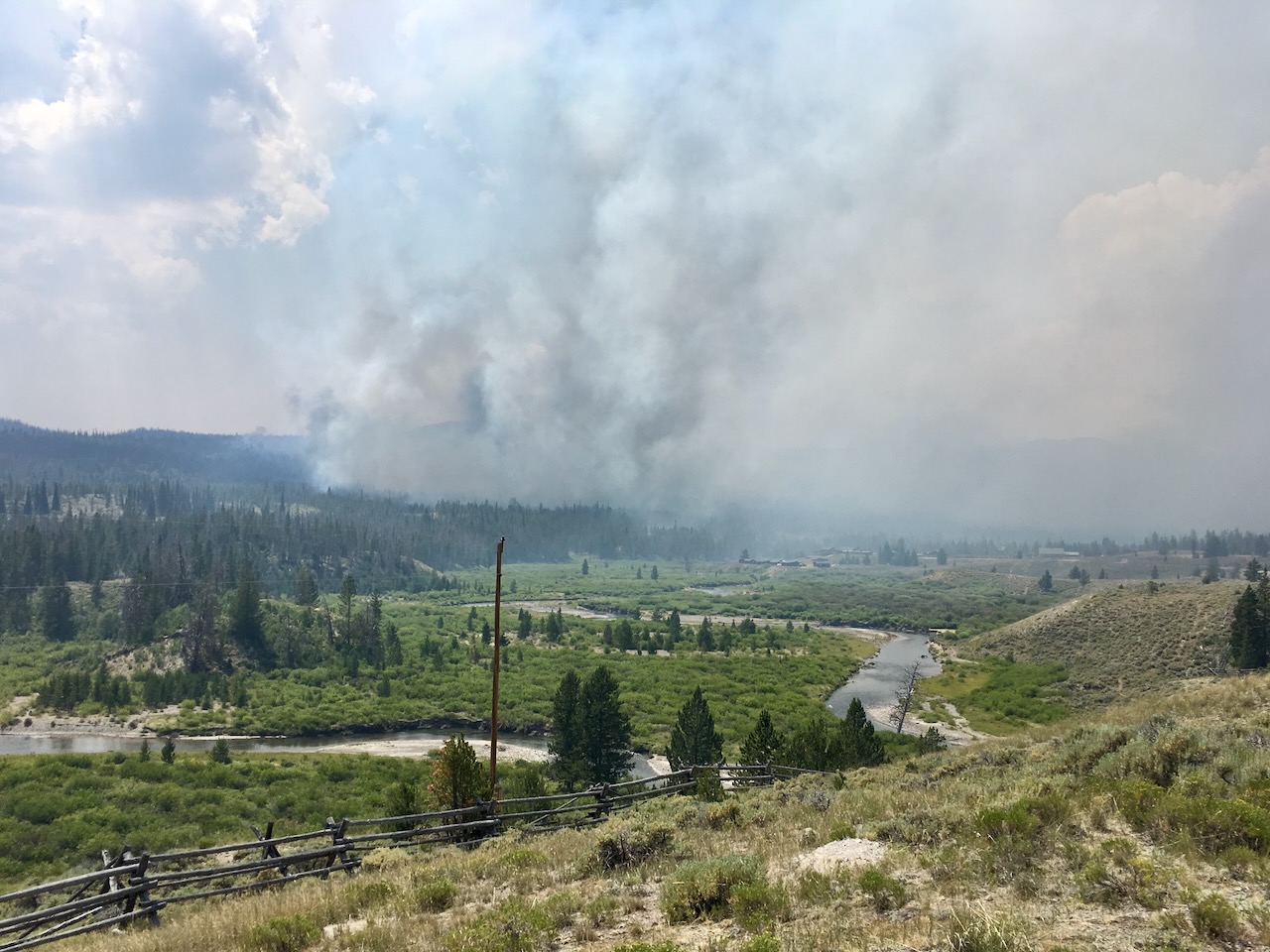
Almost all the blog posts on the What-if-Concepts website contain a photo, and with rare exceptions, the photos are original. I often wonder if the photos add to or subtract from the content. I like to believe they add depth and dimension to the text that follows.

How might we understand the impact of our work, both the elements and the finished product? How might we engage our audience to discover what needs to be amplified and what distracts? And, how might we, as the artist, author, and curator, preserve our integrity, regardless of what the data suggests?

Mind Shift

What if you read that this year will be the coolest average global temperature in the next century? It is a different spin from the typical statement that the current year is the warmest on record. This perspective has been thoughtfully outlined by John Vaillant in his book Fire Weather: A True Story From A Hotter World.

How might we describe our work so it resonates and provides memorable context?

Former Board Member Prompt

What are the five most important things your organization has forgotten?

What if you invited former board, staff, volunteers, and key insiders back for a round table (virtual, in-person, or hybrid)? If you provide them with an update on the state of the organization and then ask, ‘What are we missing and/or forgetting?

I work with several nonprofit boards that have term limits. As board members transition to former board members, the amount of institutional knowledge that evades transfer is overwhelming. It is not always obvious items but often the peripheral pieces.

How might we benefit from those who have proceeded us? How might those who have served continue to fuel the journey with their knowledge and networks? How might ‘end of term’ not mean ‘out of touch?’

Perspective vs Perception

Perception is what we see. Perspective is how we interpret the information.

How do we use the generative mode of thinking to embrace both our perceptions and perspectives? If an outcome relies on making a decision, then we prioritize perspective. If we are working in a broader mindset, we benefit from both.

VIPs

What do your VIPs experience that eludes your general members? It is reported that Elon Musk had a small group of employees annotating data from his Tesla automobile to ensure self-driving mode worked most effectively. His data received special attention to maximize performance. This level of service was not available to the average Tesla owner. Elon’s driving experience is different than all other Tesla owners, unless they drive the same routes he uses with his Tesla.

What VIP services might conflate the experience the general member receives? How might we assess the service we provide to all our customers, not just those who have the special phone number and secret doors into our enterprise?

How might we monitor the experience of all our fans? How might we not focus solely on the VIPs who have secret phone numbers and private entrance privileges? If our organization’s stated values and actions diverge when it comes to our most important members, perhaps we need to have a generative conversation about our priorities.

Forecasted Priorities

How might a forecast change your priorities? What if the forecast is inaccurate? What if the forecast is fifty percent of the actual event, will you have bandwidth in your priorities to adjust?

How might we evaluate the forecast but leave room for wayfinding when real-time events present a different reality than the prediction?

Multiple Security Sectors

When traveling through an airport and required to navigate repetitive security sectors, does it make you feel safer or more frustrated? What deficiencies exist in the first round of screening that require a second or third round of reexamination? What is the probability that upon repeat investigation, a prohibited item or dangerous motivation will be discovered?

Multiple checks are embraced in context. Headed to surgery, multiple confirmations of the patient’s identity and procedure are appreciated. Being asked if you have accepted an item from a stranger in the five minutes between security stations brings up questions about the quality of the previous screening phases.

How might we balance providing security while establishing trust in the process?

Please Review Your Item

A hardware store emailed the other day and asked for a review of the three-foot wood dowel I purchased. I received a second request identifying the wood dowel as an item that had not been reviewed, and the store was seeking input. If I did review the item, I am not sure it would benefit future customers.

How might we ask for feedback on experiences and items that alter the course of our work? If we ask for a review of everything or uniform items, we might be frustrating our fans instead of offering a chance to delight future users.