Innovative Concepts

Strategic Wordle

We have to start somewhere when we play a puzzle like Wordle. We may not get the letters right on the first round; if we do, they are probably in the wrong place. We make the next round of guesses, informed by our previous entries.

What if we took the same mindset to our strategic initiatives? Let’s invest in our best guesses as the work that matters. Then adjust based on the responses. We refine and initiate another round of investment. We are irrelevant if we wait until we are handed the answer by those who have solved the problem already. If we take too much time between inputs, people will think we went offline. We are considered reckless if we make six quick guesses, barely consulting the results.

How might we move at the right cadence, informed by our previous inputs but not held up by fear? The narrative behind our inputs creates a personal story.
Speed vs. Utility

We can talk about how fast we can go and highlight impressive numbers. However, our speed might make our intended impact less. How might we better understand the needs of those we aspire to serve so we can calibrate our effort? A regional passenger train that stops for just three seconds at appointed stations is useless to any potential riders not prepared to board instantaneously. An arts organization that says it serves 1,000 students because it flashed a single image on a screen without context for five seconds during a school district-wide assembly is not doing the work that matters. Finding our cadence is essential, which is why detachable ski lifts have become so successful. We can load and unload at a slow pace. The journey between the bottom and top stations travels at a higher rate of speed, where the reduction in total ride time is more significant.

Waiting Equals Progress

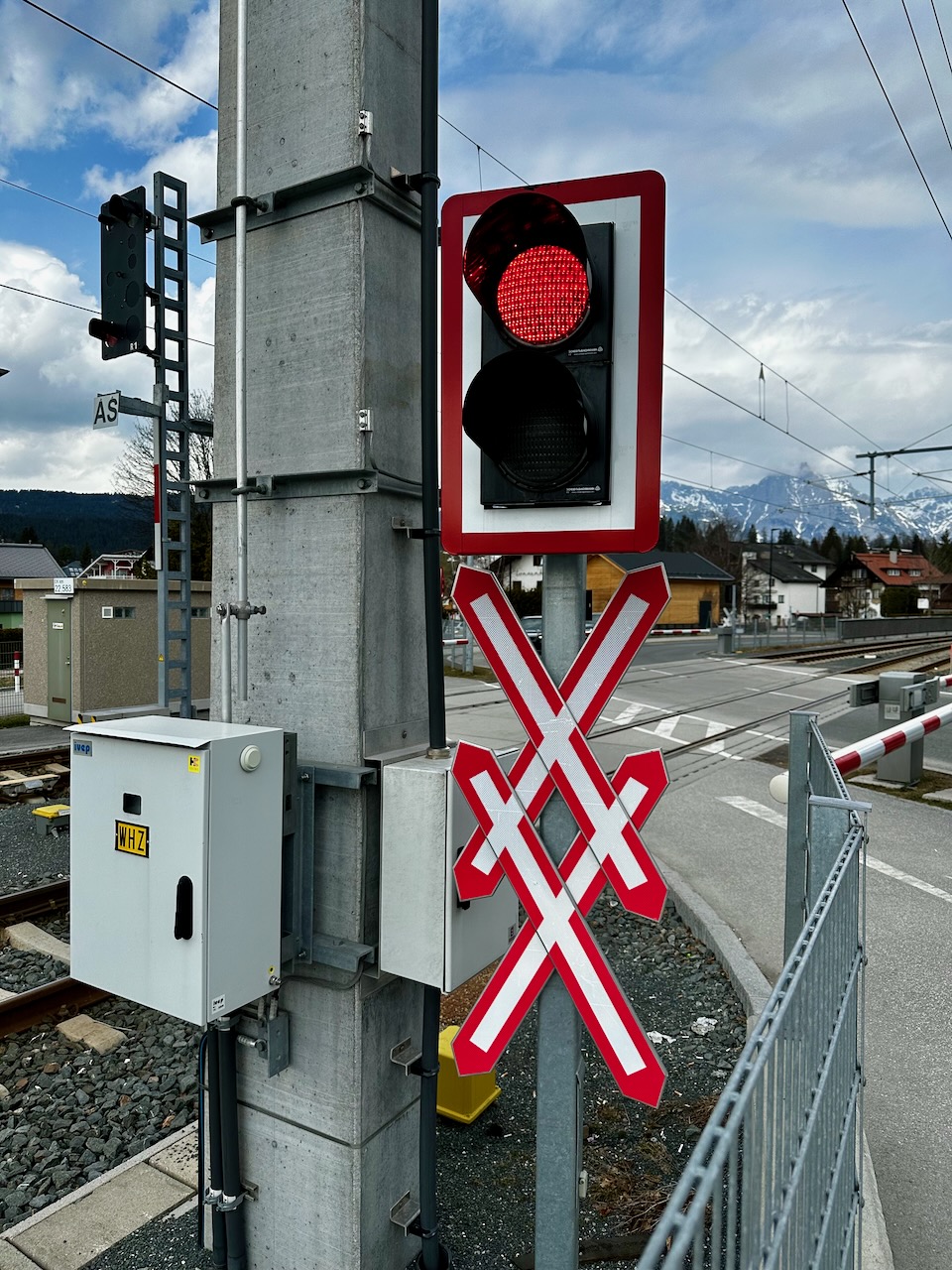
We wait at a train crossing because the consequences of not obliging the warning signs are too high. The outcome of a train versus vehicle/pedestrian is cataclysmic and probably seared into our minds.

When has waiting turned into progress? Where have you stopped only to gain clarity and more impact in your subsequent actions? Which initiatives succeeded because they paused? When has waiting kept you in the game, allowing you to be present when it mattered most?

Gathering for Stories

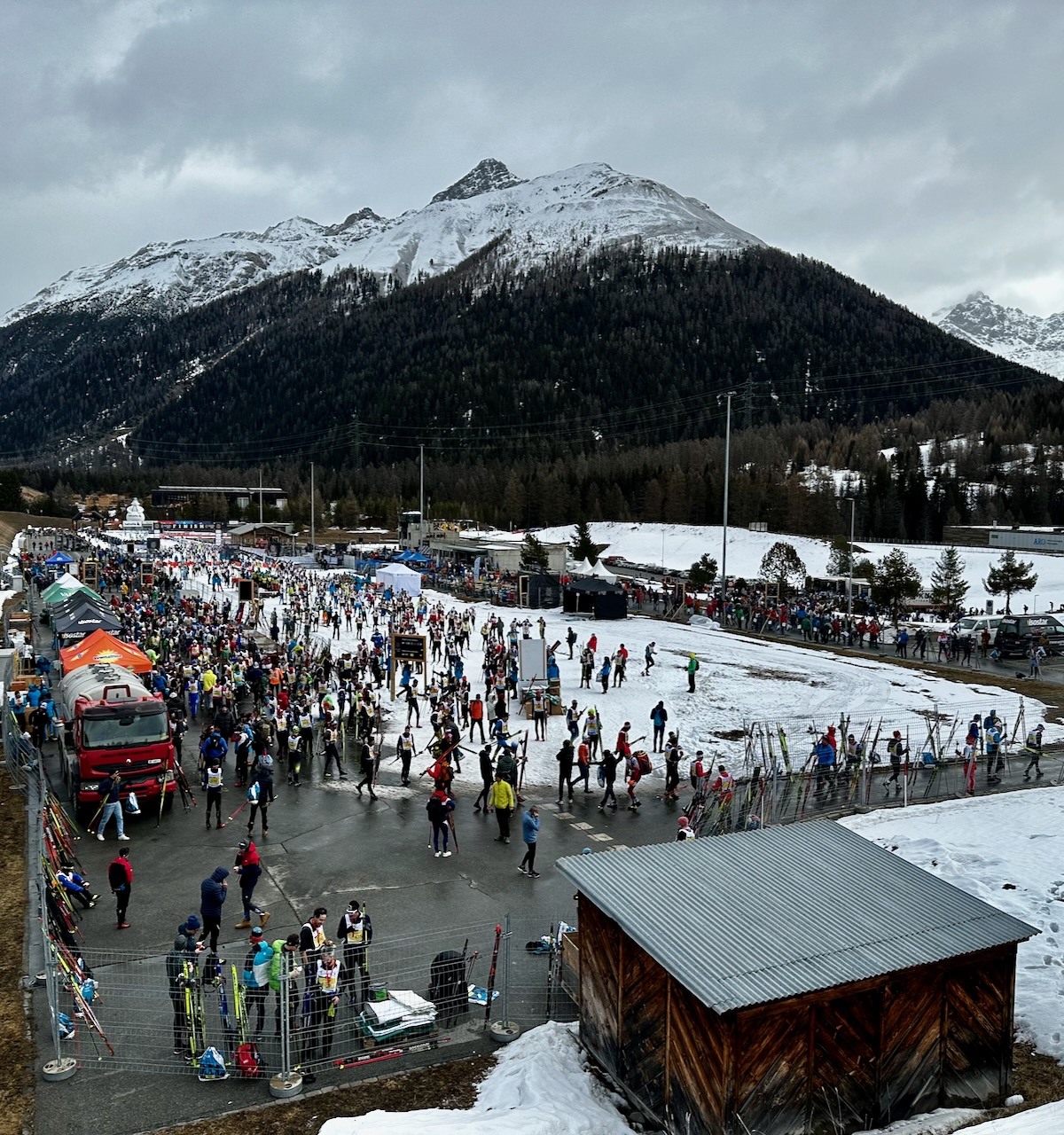
After completing a ski marathon, competitors gather. They congregate to tell stories, eat, drink, change into dry clothes, and find supporters. They finish, remove their skis, and inhale a sense of accomplishment. Then they begin to share.


How might we make space for our fans and participants to gather? How do we create intentional gathering places? When World Domination Summit (WDS) took place in Portland, OR, attendees assembled for breaks between presenters in the adjacent park—a selection of food and drinks available to nourish. The event’s superpower appeared through its performers, including a unicyclist with bagpipes that expelled flames, a steampunk group on stilts, and a roller derby team speeding about while serving snacks. The performers provided remarkable moments we could witness and share with other conference attendees. I remember some of the WDS Main Stage speakers, but I recall all the performers and many people I met in the presence of these buskers. The entertainers provided a sense of place and a point of connection.

Perspective

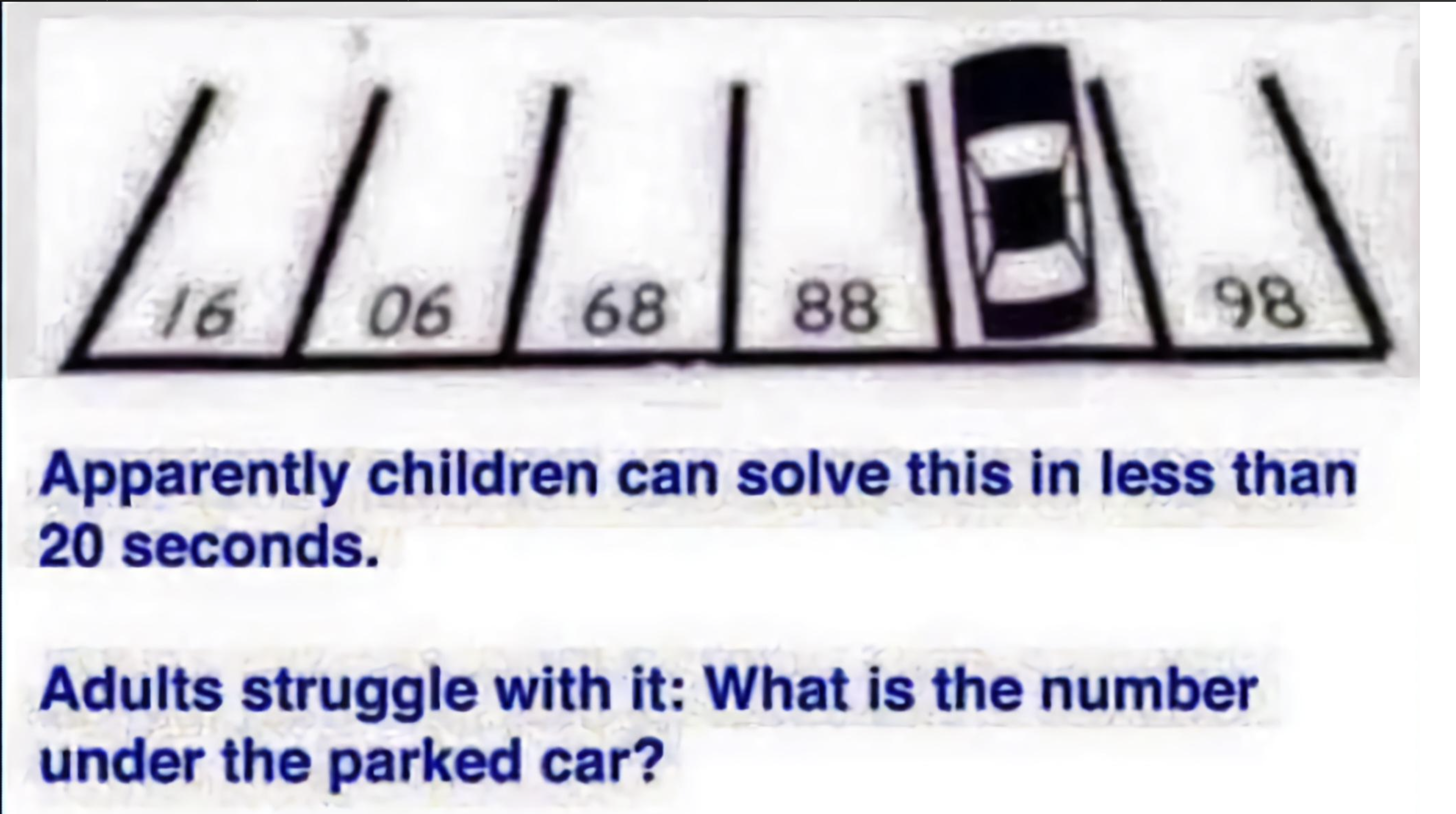
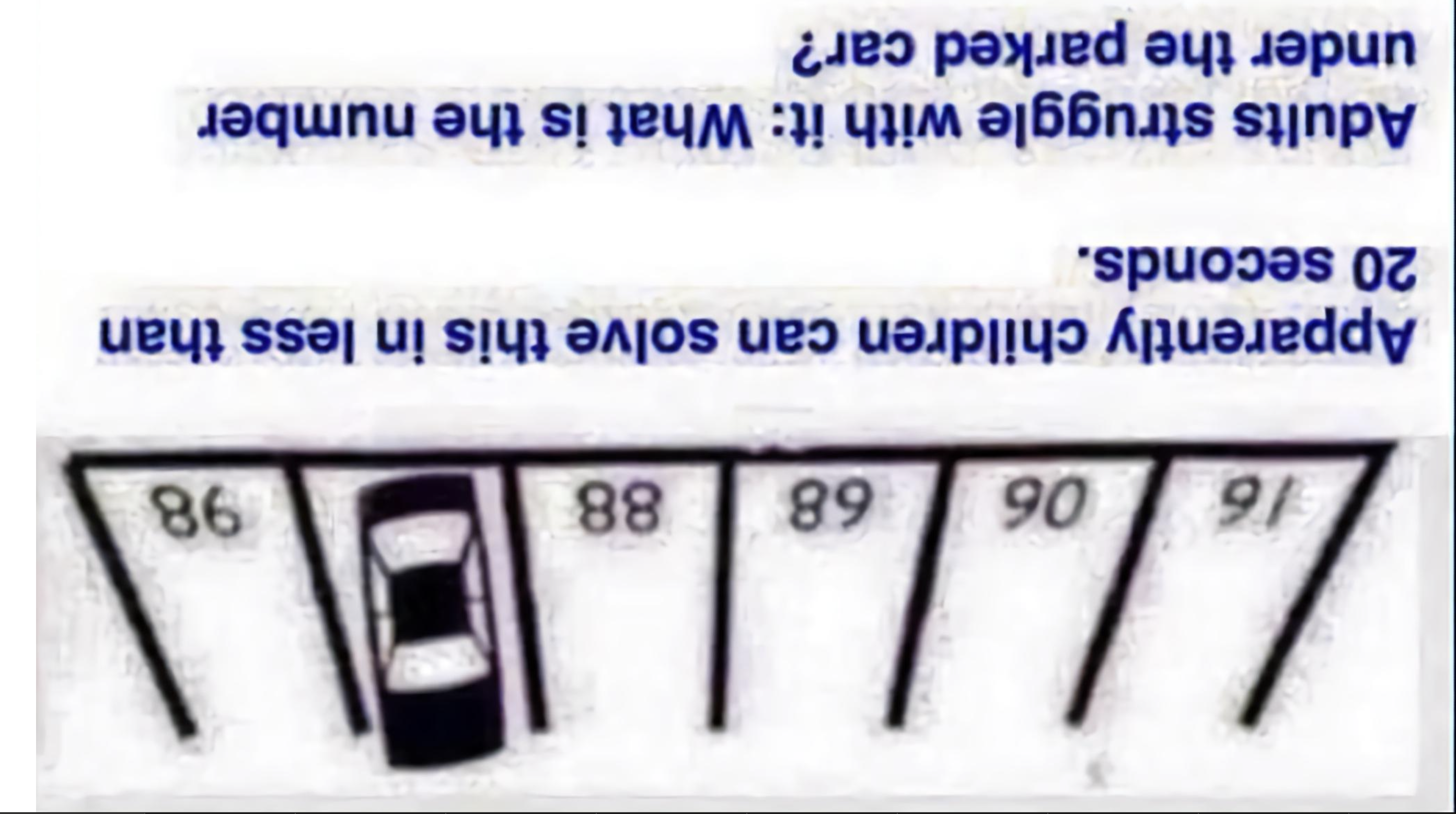
The direction from which we approach an obstacle impacts how we attempt to make sense of the problem. If we are committed to measuring success using data, numerical metrics are essential to our evaluation process. If we believe in the power of stories, then a compelling narrative is vital. If we seek intended impact as the ultimate symbol of success, we might be more committed to reaching the destination than visiting all the waypoints. Endurance and relevance might be our superpowers if we want to remain in the conversation.

How might we recognize that our approach to an obstacle is one of many mindsets in which it can be solved.

Being of Service

The movie Groundhog Day carries an undercurrent theme of service. In the repetition of the same day, the protagonist learns to position themselves throughout the community where they are uniquely positioned to serve. Be it catching a kid falling from a tree, changing a flat tire on a car, or purchasing life insurance from an eager associate.

We can all be of service. Some of our actions are actionable and measurable, and some of our work resides in the liminal or serving clients who cannot express their appreciation through social media. But we can all be of service.