Journey

Mile Markers and Belief

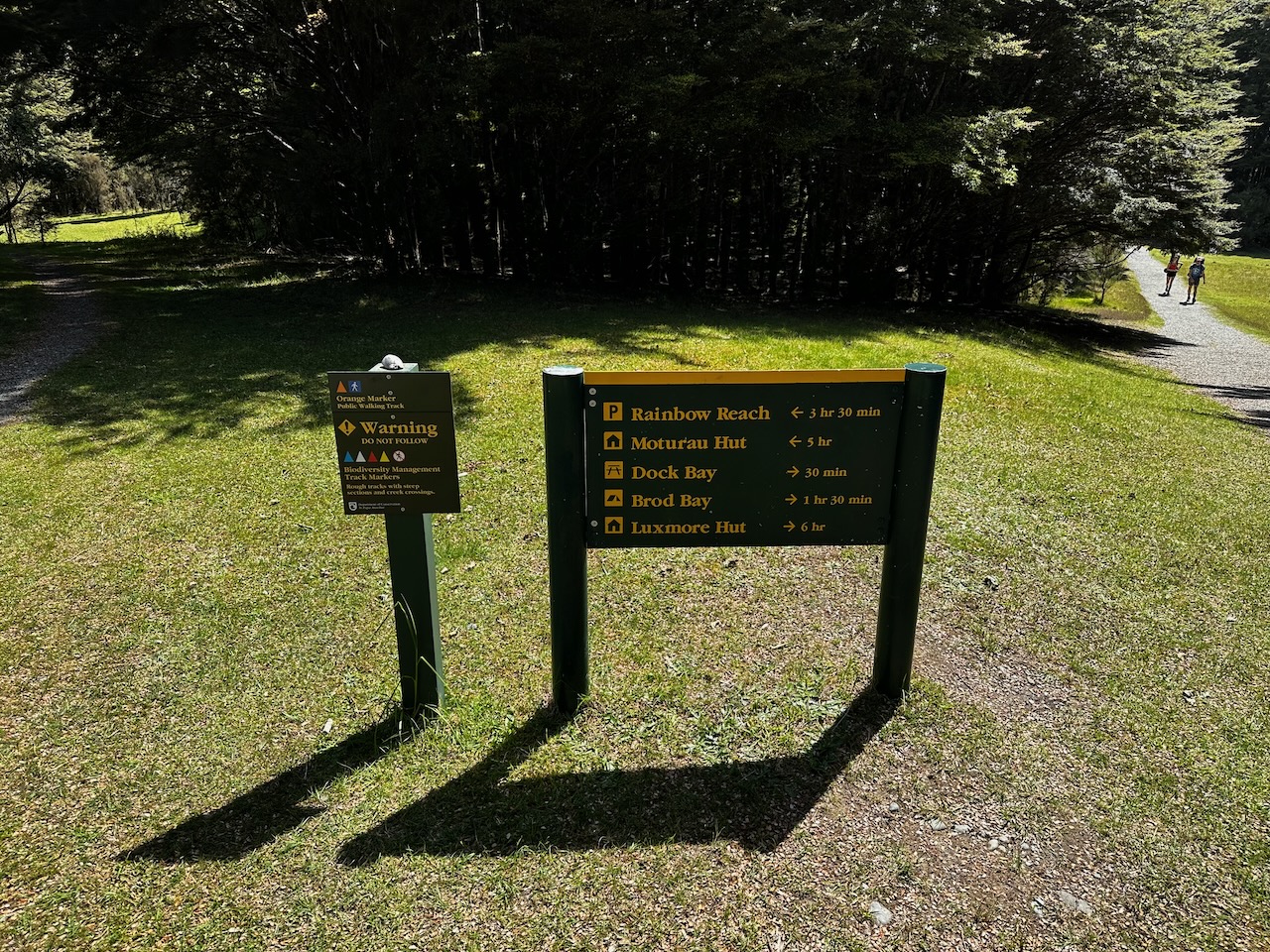
If you are hiking a mountain trail and come across a sign marking the distance to the destination (or the number of switchbacks remaining to the summit), is there a total that is too overwhelming to consider? Does the knowledge of how much work is left become discouraging if it is too much/many? On occasion, we might believe we are setting people up for success by marking the intervals, but in fact, some individuals find the information supplied to be discouraging. How might we mix sharing what we need to share with a confirmation of belief in those who are mid-journey?

Celebrating Halfway

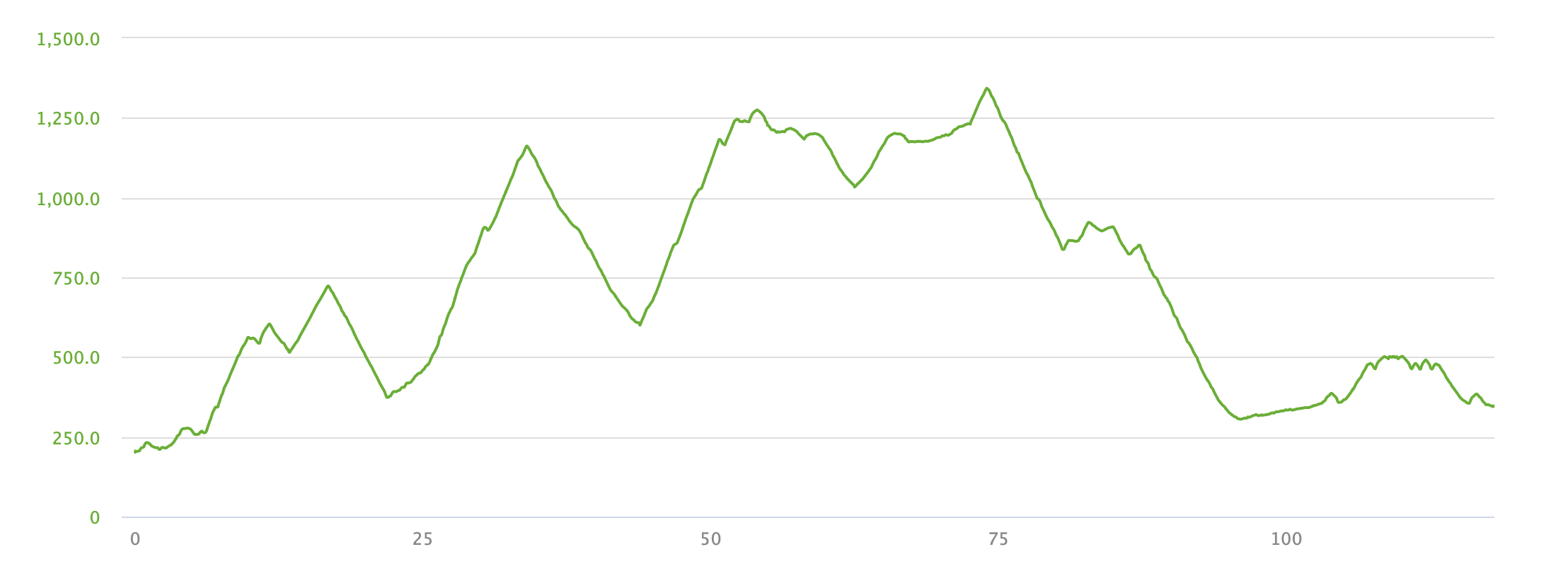
How does it resonate if I celebrate running a marathon at the half-marathon mark? A half-marathon is an accomplishment, and on its own, the result would be worthy of sharing. However, in the context of a marathon, it is simply fifty percent of the work, and some suggest less than 50% of the mental and physical exertion. If we state the big goal, our progress bar is correlated to the total distance. Is it necessary to reach the finish line to celebrate the journey?

How might we understand the implications of announcing an ambitious goal? Is there significance in the effort if we do not reach the destination? Is exponential value delivered to those who complete the course versus those who commit to an effort and cease before crossing the line?

Seen

Are you seen?

Who do you see?

How do you process what you have witnessed? Does it inspire, does it distract, does it deter, does it confuse?

Most of us want to be seen by somebody who believes what we believe. We want the tribe to benefit from our work and inspire those on a similar journey. Being viewed is often enough to keep us committed to climbing our selected route.

Committed to the Journey

If you are committed to the journey, you are willing to get your shoes wet. It is a simple test early in an expedition.

The smoke from the wildfires cleared in our region for a day. I went for a long trail run and at the first water crossing, I waded through the river and prepared to continue my run. A group of hikers inquired if there was a crossing that did not require wading across the river. I said I was unaware of any immediate down trees that formed natural bridges or rocks that allowed for hopping across. Despite my reassurance that the alpine lake they had selected as a destination was remarkable and the water was not cold, they turned around and proceeded back to the trailhead. I was committed to my journey, thinking it was enhanced by the dozen stream crossings. They were committed to keeping their feet dry. A river crossing served as the barrier to entry.

Journey and/or Destination?

Two mindsets, journey and destination, one focuses on the landscape we inhabit, and the second focuses on the finish line.

Both are essential perspectives to maintain. Being hyper-focused on the destination might lead us off a cliff, into a swamp, or miss the spectacular view corridors. Enveloped in the journey mindset, we might spend the night outside without proper gear since we failed to assess the time required to reach the shelter. 

As we prepare to navigate a new year, consider the mindsets we wish to assume as we venture into 2023. A new year is a season of goal setting; however, goals without purpose and context often leave us feeling empty. How might we embrace the journey while making measurable progress toward a destination that matters? How might we know more tomorrow than we do today because the route we traveled revealed insights when we seek out destinations that are not easy to reach?

Not All Tracks

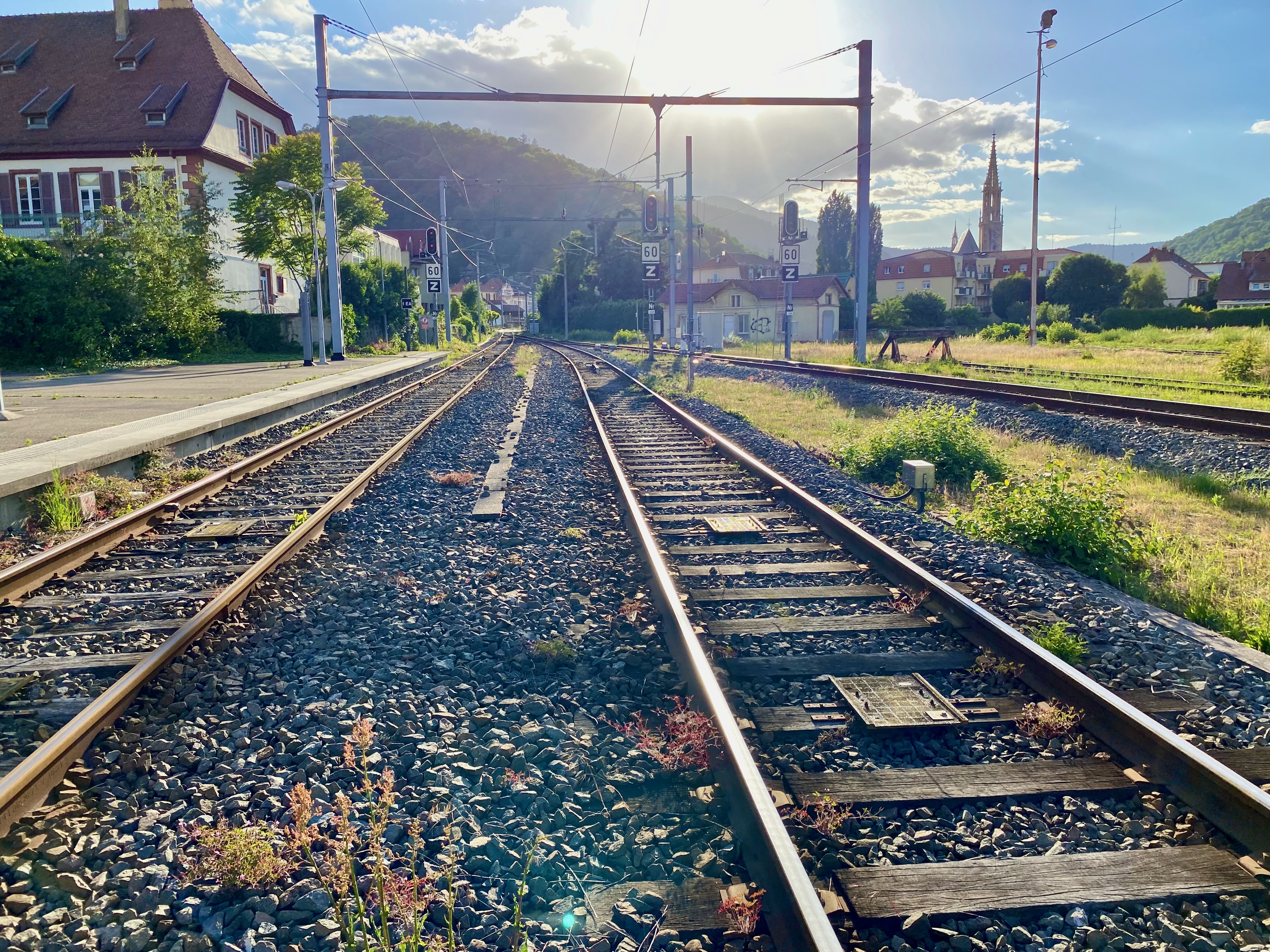
Not all tracks take us on a remarkable journey. Some might be to a siding, rail yard, dockyard, or an abandoned line. When we strike out on an adventure, we are embracing the unknown. Worrying about ‘what if’ does little to depth and dimension to our experience. How might we ask ourselves if we are encountering a point of action or a point of information when we approach the next junction? It is easy to confuse an intersection of information for an action point and feel the urge to switch tracks. How might we embrace the ambiguity and serendipity fundamental to our quest?

Crescendo

Big, loud, jolting, climatic events get noticed. They demand attention by overloading the senses. Less noticed are endings that require no crescendos; experiences defined by what we encounter on the trail, not the arrival at the corral. Sometimes being lost in the wilderness is prologue to a silent arrival. The work that matters takes place out of sight but forever impacts our stories.