
Our worldview is informed by our surroundings and environment. We might be so close to the lens that frames our interpretation that it is not perceived. How do we account for the filters that define our focus?

Our worldview is informed by our surroundings and environment. We might be so close to the lens that frames our interpretation that it is not perceived. How do we account for the filters that define our focus?

Ice climbing is best attempted with ice axes, crampons, harness, rope, ice screws, helmet, and appropriate clothing. Assembling the right gear can make a difference between a successful outing and an epic failure.
What special tools does your enterprise possess that amplify the impact of your work? What equipment are you missing that might elevate your work? What resources do you not even know you should be using? Who might help guide your equipment procurement process?
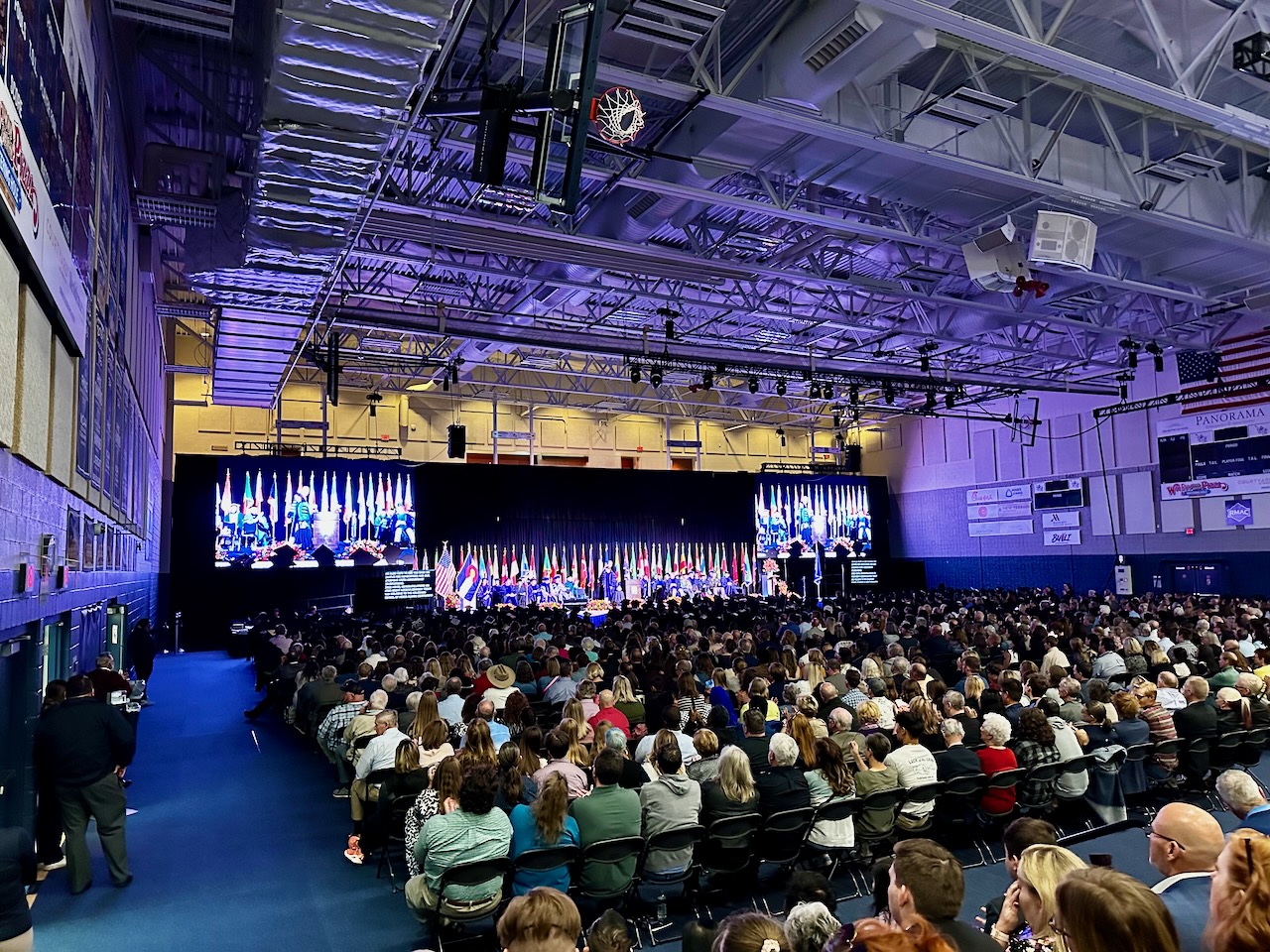
A sample of school test questions listed online demonstrates that even those responsible for creating tests (exams) can get the answers wrong. It reminds us that despite implied and/or earned expert status, the knowledge/process source might be wrong.
Who are the authority figures that your enterprise relies on as sources of information, resources, funds, and/or accreditation? What happens when they provide incorrect information and/or make the erroneous assumptions? How has your team responded? What lessons have been learned? Is it an anecdote still being discussed, has the organization moved on, or was it catastrophic?

The ski area at St. Moritz, Switzerland has one of the steepest starts for a World Cup Downhill race. See a world cup racer in action here.
A fast start is a sensational experience, but we best be ready for what comes next. If we wander out of the start gate haphazardly, we will likely crash or go off course before we reach the first technical element. If we want to be fast at launch, we better do the work that matters in advance and have the right mindset. Otherwise, a more serene start might serve us better or we should consider delaying the commencement of our efforts.

If you take a paper bag and aim a hair dryer towards its open end, the bag’s kinetic energy is released and assumes flight. A bag is an excellent option if we need to hold some produce, and a hair dryer is perfect if we need to dry our hair after a shower. When we pair them together, we get a dramatic result, which may or may not reveal the most productive use of both instruments.
When odd pairings work, they are sensational but can also fail us. Iterating in the design studio is an excellent option if we are willing to go on the adventure and open to uncertain outcomes. If we need a sure thing, we might hedge towards the predictable.
Booking two artists/authors/scientists/athletes to interview each other might be an insightful option. However, they might speak an insider language that is hard for the audience to access. A good interviewer can ask questions that help decode the artist’s superpower without abandoning the audience.
A hair dryer chasing a paper bag around a stage might be the pinnacle of performance art. But we must accurately represent the performance so our audience can live on the edge.

We can imagine being kids and playing a game with an inflated balloon. We use our hands and other appendages to keep the balloon suspended and discourage it from falling to the floor. It is a joyful memory.
What if we took the balloon’s perspective, directed upwards at random intervals, and had our journey impacted by a whimsical outside force?
Some enterprises are encountering the sensation of the balloon. They are reacting to unpredictable inputs from external sources. Funders, granters, board members, peers, state and government policies, communities, and society’s priorities are shifting rapidly.
How are you keeping stable when the certainty of staying afloat is tenuous? How do you thrive when remaining in the game is the primary focus?

It can be rewarding to arrive at an overlook or a lake shore that provides an expansive view. If we have been navigating paths that have restricted our ability to assess the surrounding landscape, an open area offers solace. This is often why we might take a break in such an area. It calms our primitive mind on the lookout for danger and allows us to reflect and project.
How might we use this approach in our own work? What moments of overlook provide a new mindset and allow us to access unique reflections?

I consistently rely on Simon Sinek’s work to add depth and dimension to conversations in many settings. Seat mates on airplanes to professional consulting engagements receive some mention of Simon’s frameworks.
Two assessment points come to mind when evaluating intentions. First, does the enterprise embed its core values into its work without fail? Second, are the choices made consistent with the story it is telling?
Watching and listening to the things that matter can tell us a lot about a cause’s status.
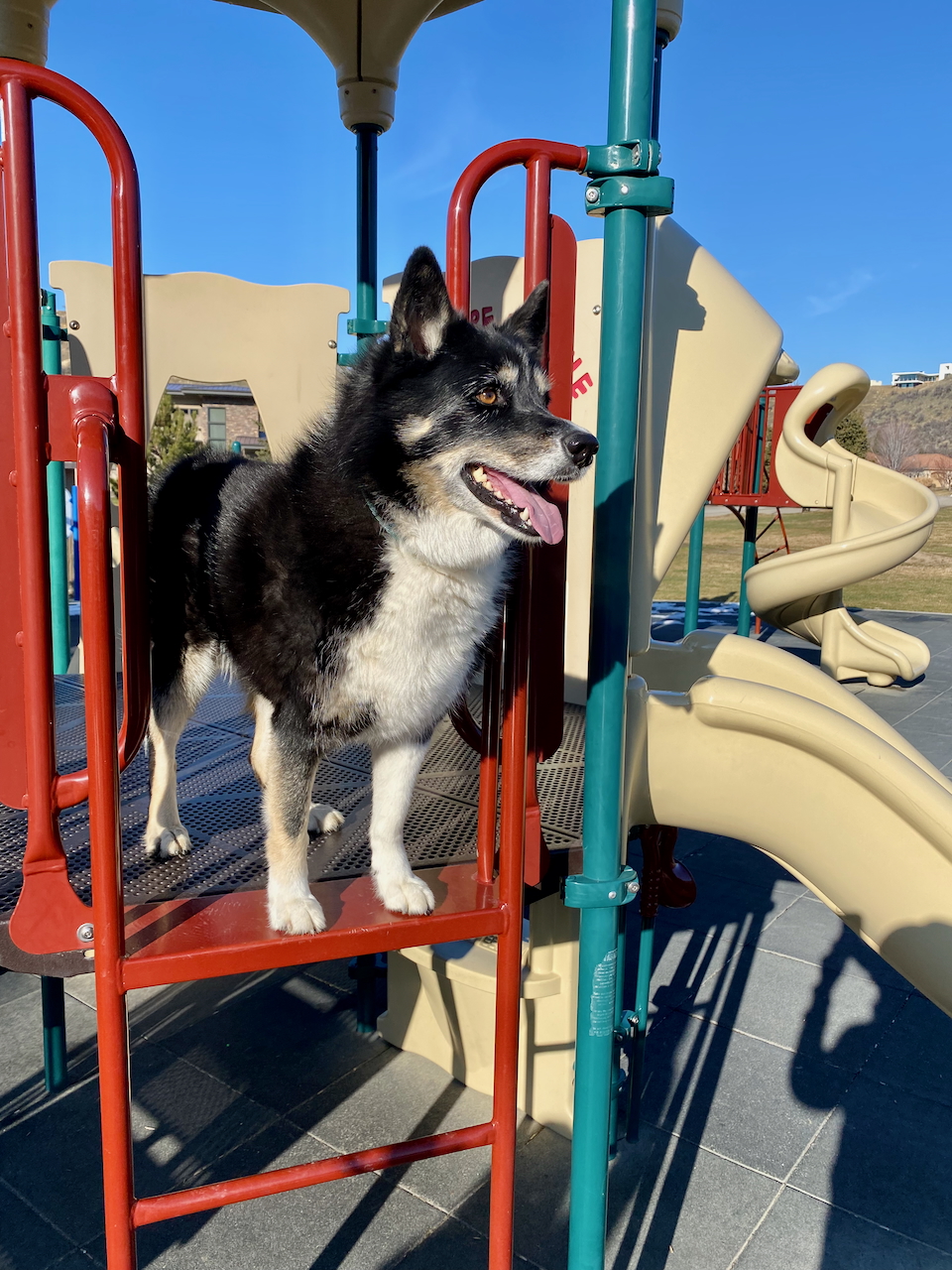
When was the last time you treated a meeting as a playground experience? How does our approach change if we assume a playtime mindset? Just adding a hopscotch board to a sidewalk can transform pedestrian outlook. What additions can we make to our meetings to embrace playfulness?
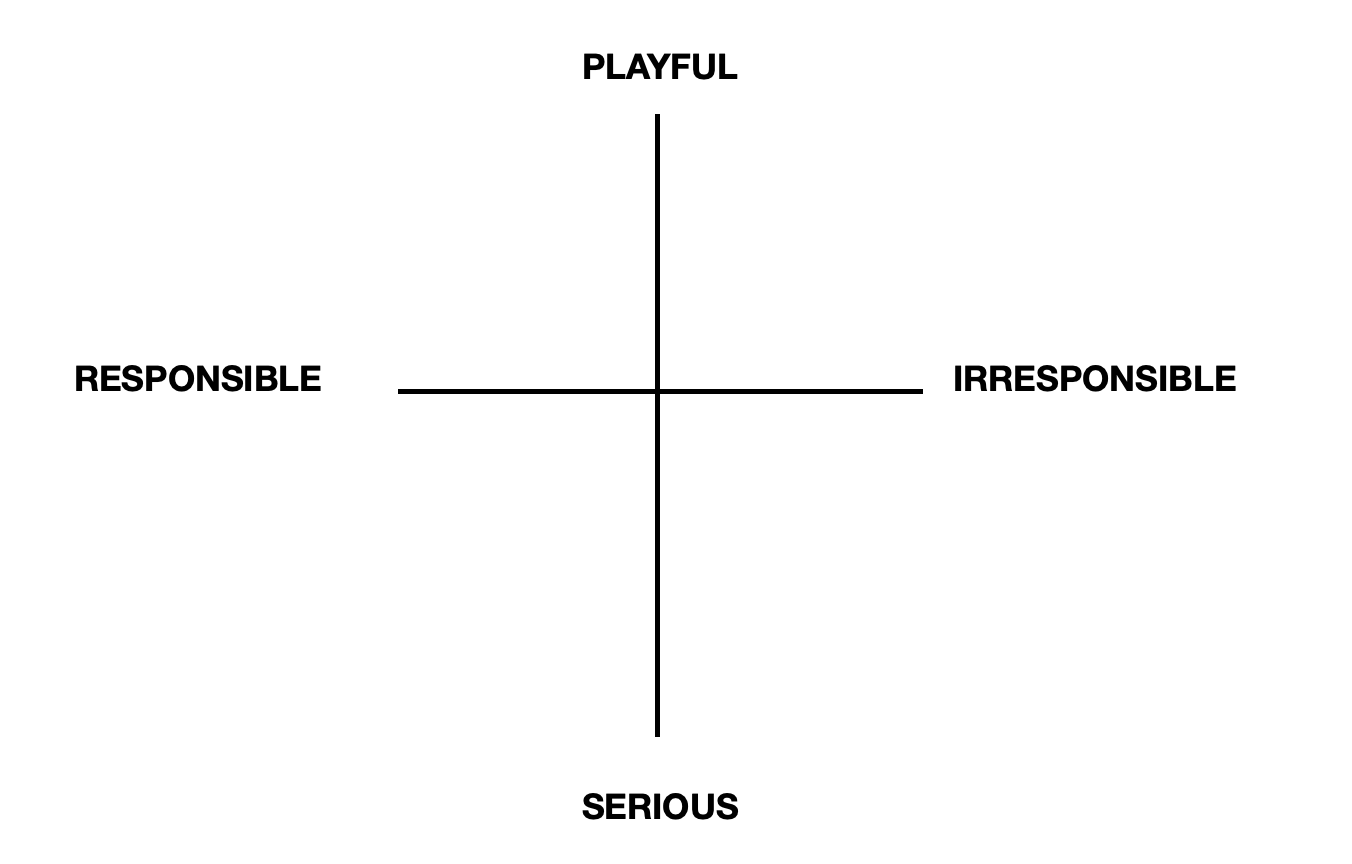
What if you started your next planning session by adopting four mindsets? How would your approach be different if you took a playful and irresponsible approach? What does a serious irresponsible process reveal? By taking on mindsets that are not typical in our practice, we open up conversations that inhabit our blind spots.
 What-if-concepts