mindset

Other Peoples’ Ideas

When is it acceptable to use other people’s ideas for your enterprise’s benefit? In the social sector, an homage (or straight-out plagiarism) is acceptable in some circumstances. A successful gala becomes a template for others to replicate. An annual appeal (or annual report) is quickly adopted by peer organizations. A new source of engaged and effective board members is mined heavily by numerous causes. Network affiliates frequently hire (poach) development and marketing professionals from their peers, asking them to replicate successful campaigns.

However, there are times when fishing from another organization’s pond can be problematic. Attempting to recruit an Executive Director navigating the crux of stabilizing a local nonprofit or intentionally scheduling a last-minute ask (cutting the line) with a major donor just before another enterprise makes their pitch for a leadership campaign gift. Or a board member who takes confidential information from one meeting to another cause, foregoing their duty of loyalty to the source of the information.

How might we establish processes that allow the sector to thrive and our peers to succeed but retain our superpower to fuel the journey we have embarked upon? What trip wires and circuit breakers have you established to balance fidelity and partnership?

There, But Not There

Screenshot

Flying back to the United States from Europe, our flight path crossed the Arctic Circle, traveled north of Iceland and across Greenland, and dropped down into Canada. I have been close to the Arctic Circle on land adventures but have never crossed the line of demarcation at ground level. If somebody asks if I have been above the Arctic Circle, technically, the answer is yes, but the answer is not what I would consider authentic.

How might we ask more intentional questions when seeking a factual answer? How might we remain curious rather than accepting the first response we receive?

Obstructed Views

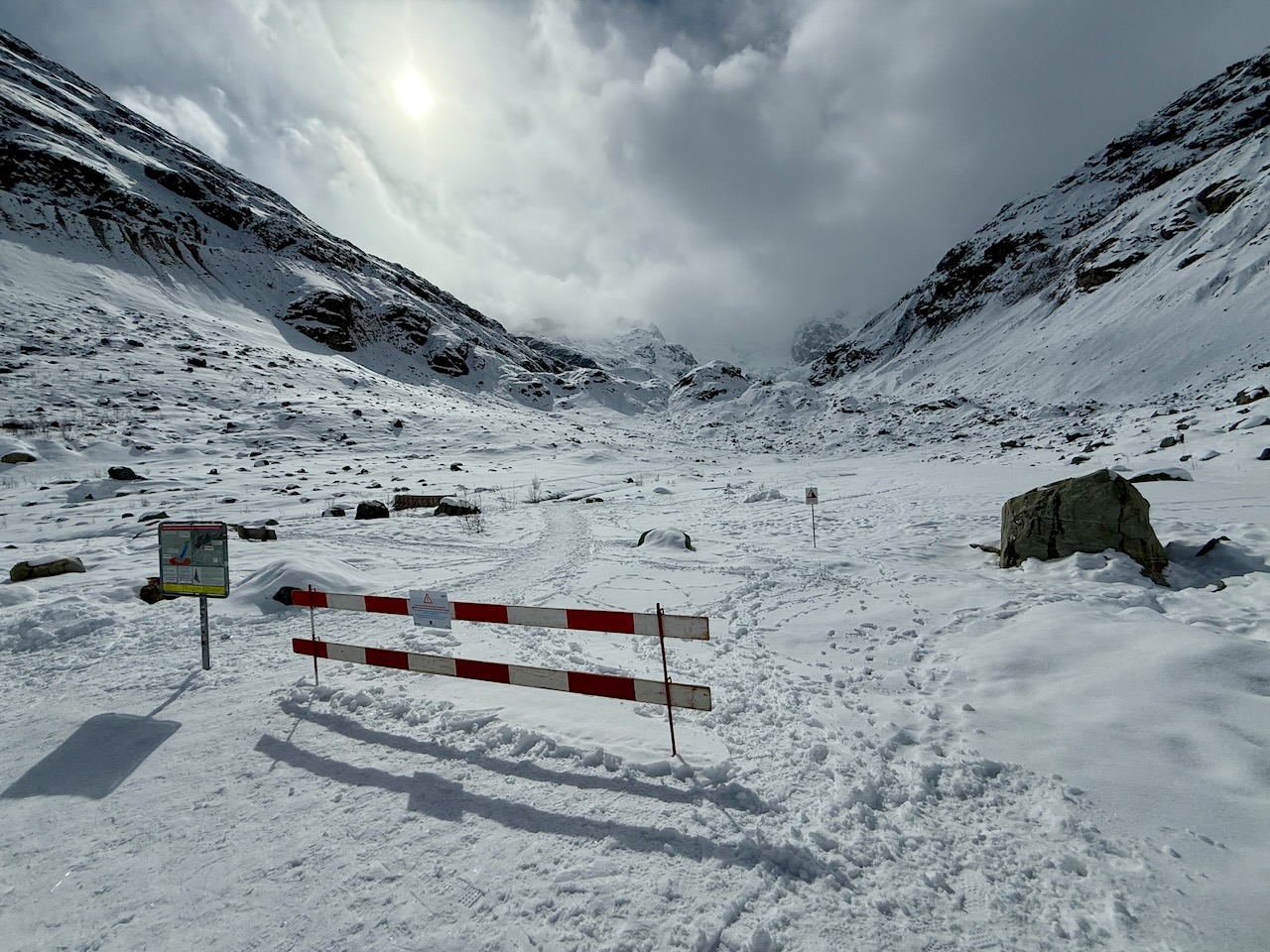
A few years ago, a friend and I made dinner reservations at a hotel restaurant. We had just eaten breakfast and noted that the mountains and snow-covered valley views from the tables by the big windows were remarkable. So we requested a window table if possible. When we arrived for dinner, we were seated at a window table, but we had forgotten to account for the fact that sunset occurred so early in the winter season. We sat at the window table for our meal but could only stare into the night.

Sometimes, we make plans, assuming the views will be amenable to our experience. When an obstacle appears (weather, daylight, misaligned window, selecting the wrong side of our mode of transport), we must be content with the outcome. Planning can be tricky, and we are not guaranteed the results we outlined before arriving in person.

How might we be adaptable to the environment? How might our entire plan not hinge on a single attribute or assumption?

The Gutter

Gutters help keep the primary travel surface free of debris and precipitation. They collect everything from snow to trash to lost treasure. We barely see the gutter if the central lane is free of obstacles. But we reach a liminal zone when forced to navigate using the gutter due to hindrances, too many pedestrians on the sidewalk, or to evade collision. Gutters serve as thresholds between different forms of travel. Until we venture into one to expedite our journey or utilize it in an emergency, we rarely pause as we cross this boundary.

However, it can become emotional when forced into the gutter to accommodate a person or object deemed a priority. For example, proprietors may claim sidewalk space for their enterprise and route passersby into the gutter as egress. A poorly parked vehicle that

Navigating by gutters can add to our journey: it can make room for a wedding party spilling out of a church, creep past a fire truck engaged in emergency services, or accommodate a new neighbor moving into an adjacent property.

How might we recognize that how we position and communicate a detour, a reroute, or a temporary barrier may be interpreted in various ways?

The Making of ____ Was A Sh*T Show

A YouTube channel (The Making of ____ Was A Sh*t Show) highlights iconic movies and the lesser-known details behind each film’s production. The primary focus is on the movie’s obstacles and challenges it overcame. Many films made it to the silver screen despite all the odds stacked against them.

It reminds us that some of our best work encounters more obstacles than our less impactful efforts. A Tour de France cyclist can ride considerable kilometers of training on flat roads, but they will not be prepared for the race if they forego training in the mountains. We must venture into challenging terrain to fully develop a project’s potential. Getting lost, scraped up, and uncomfortable creates the stories we remember and tell afterward.

Disruption

What activities do we disrupt to focus on alternate action? Brushing my teeth, I often pause to take on another task before I return to finish the job. A spontaneous comment can carry a team off the agenda and into problem-solving mode in meetings. A single large donation can alter an organization’s strategic priorities. A law change from the state legislature might modify how programs are executed.

How might we assess whether disrupting one activity for another is intentional versus snack food satisfying? How might we honor fidelity to the act of decision-making?