
Eggshells in the wild are a byproduct of a transformation realized. A new lifeform has emerged and is living a narrative informed but not contained by the egg.
Eggshells in the wild are a byproduct of a transformation realized. A new lifeform has emerged and is living a narrative informed but not contained by the egg.

What is the story that goes with the above painting?
When have we presented an image that makes sense to us, but to an outsider, the narrative is too obscure to grasp?
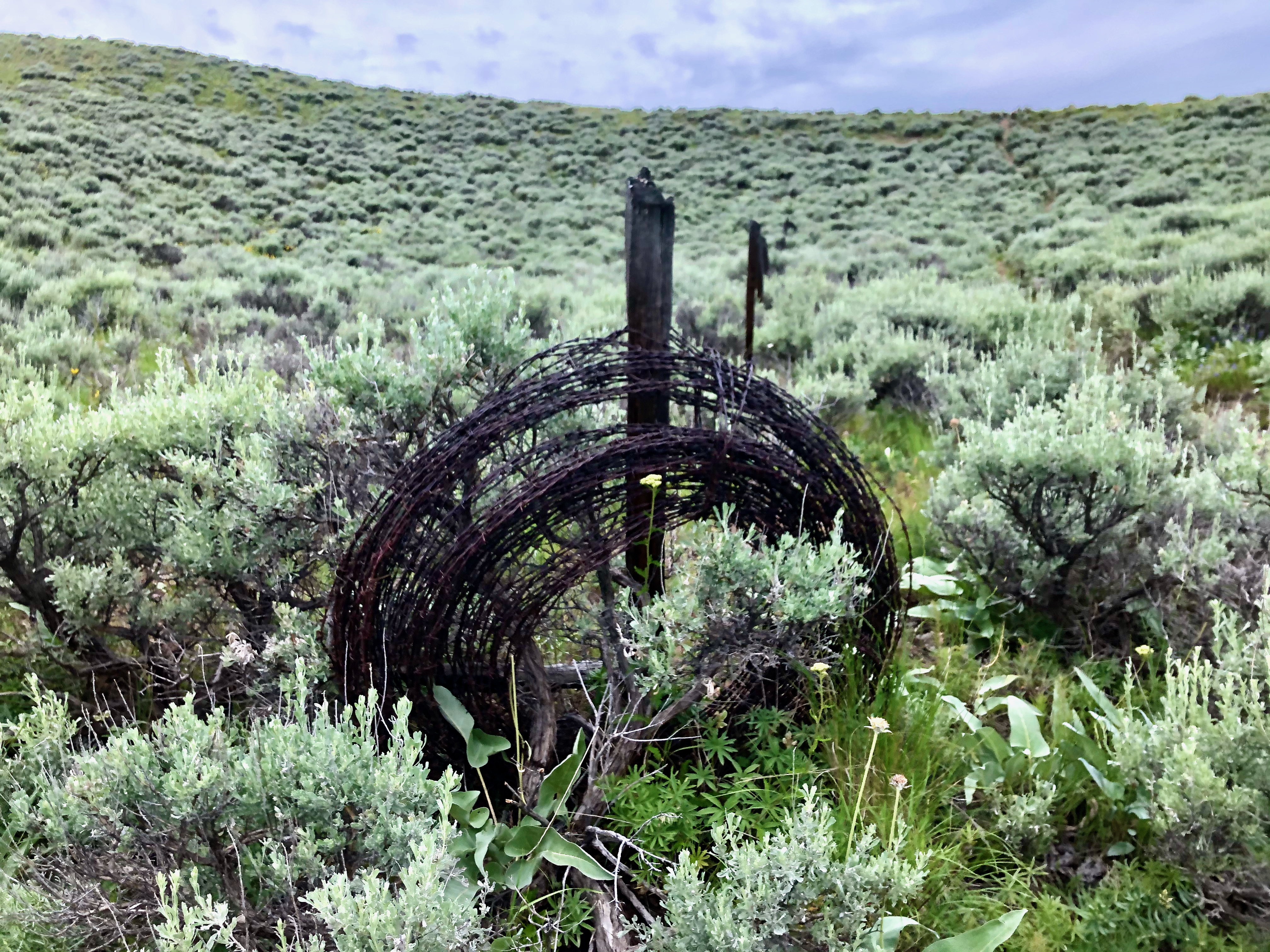
Encountering a section of barbed wire fence that is coiled and leaning on an old fence post creates a moment of reflection. Does this fence line represent an era that is coming to an end? Or is it an opportunity to repurpose the fence line and generate a new narrative? A finish line can also be a starting line.
I recently completed a site visit for a youth education group. The former tenants of the building ran programs for preschool children. In the expansive community room, preschool furniture worth tens of thousands of dollars was piled high. It reminded me of the scene in the government warehouse from the movie Raiders of the Lost Ark. The preschool provider’s narrative is complete. The question now is whether somebody will start a new story by dispersing the preschool treasure to partner organizations. Will the provable fence line be revived or left dormant?
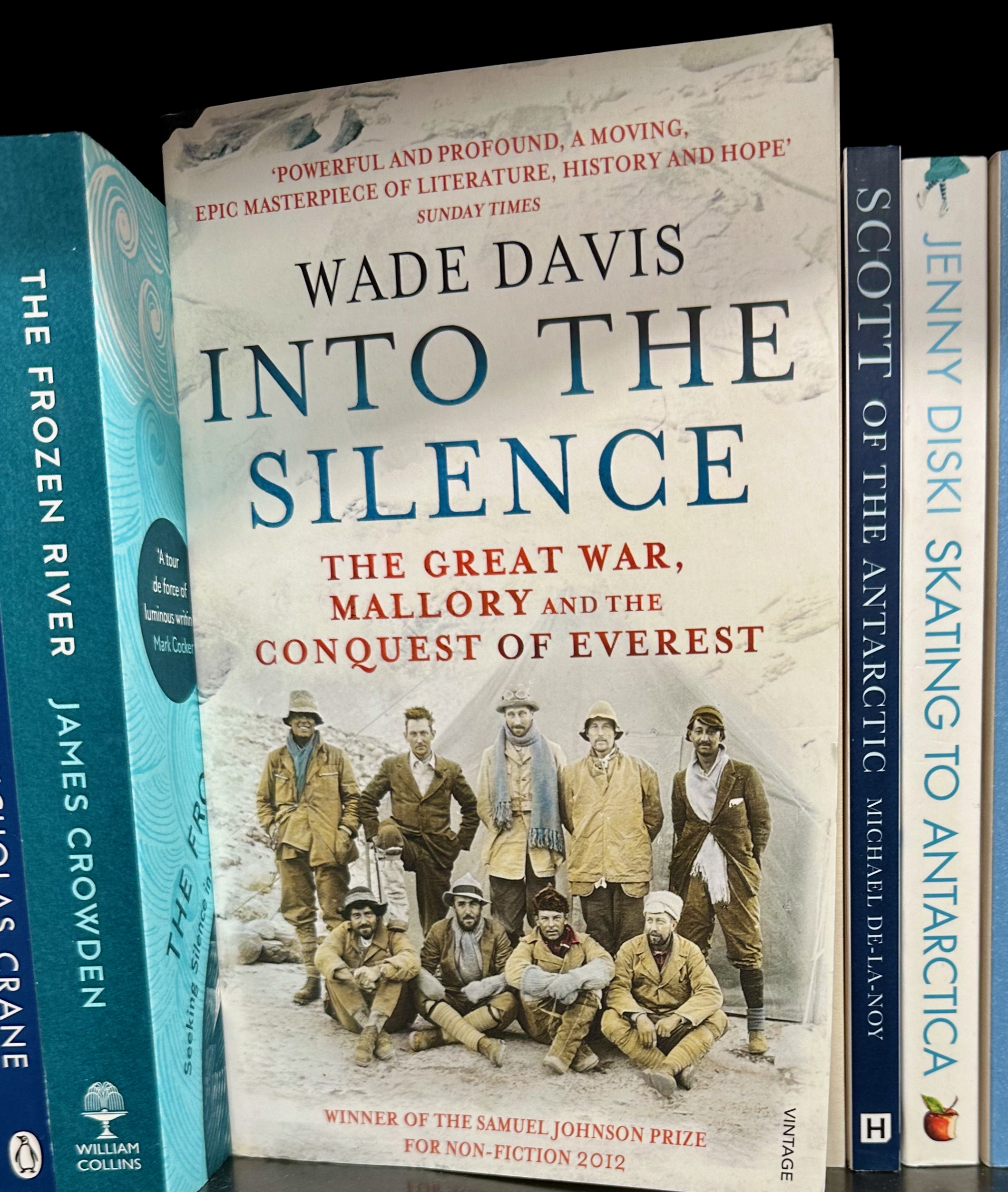
When you share your story, do you prioritize continuity or curation of the narrative? Do you have a default mode, or does it depend on the audience? Does the purpose of the story matter? Are you entertaining or making a call to action?

The mountain glacier used to occupy this location in the 1800s. Today, you have to travel more than 3 kilometers (almost 2 miles) up the valley to view the glacier, and even then, you are not at the glacier’s terminal moraine. We are so keen to measure progress but are reticent to monitor regression. What does regression tell us? It might be the most crucial narrative we can explore.
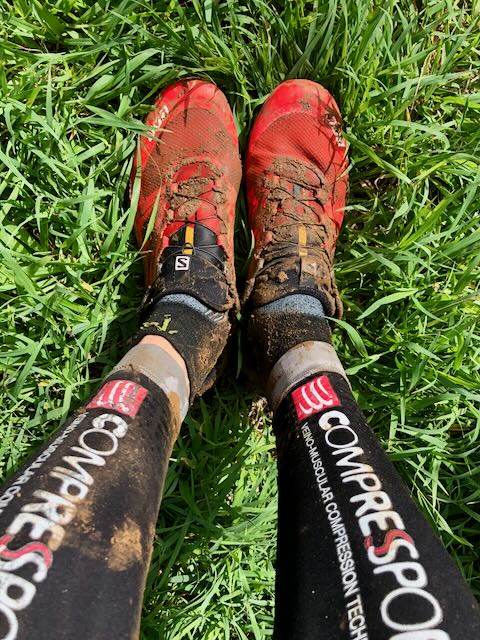
What do our shoes tell us about the ground we have covered? Are they the right pair for the terrain we intend to navigate? Do they reflect how much distance we have traveled?
How might we make sure we have the right resources to advance our purpose? How might our narrative match our equipment?

The ability to make choices is one of the most significant currencies offered to humankind. Not everyone is afforded a similar range of options; some individuals can only choose between undesirable outcomes. Others have seemingly limitless options at any moment.
If we want to assess the culture of our community, family, and workplace, a metric is to examine how we are treated after we make a mistake. Are we provided the space to recover? Do others show up and support us when we trip into a void? Are we permitted to repair the damage and/or share what we have learned with others? Is our identity forever tied to the depths of our narrative, or can we reclaim our story?

If we sell a car to an accountant, we might focus on the vehicle’s efficiency, cost per mile to operate, and return on investment. If we sell the car to a driving enthusiast, it may be better to concentrate on the driver experience, emotions of sitting in the car, and the story the driver can tell.
When we talk about our work with others, we do not need to sell to ourselves. Rather, it represents an opportunity to share a narrative with the audience that provides them with a chance to engage with the work. How might we find points of confluence that combine the listener’s story with our work? The authentic merging of two narratives allows another player to join the quest.

If you are writing a murder mystery, you must know the ending in order to sequence the narrative and clues. If you are writing to create suspense, you just require a situation. This is the reflection of the iconic author Margaret Atwood during an interview at the Sun Valley Writers’ Conference.
If you are trying to write a plan that predicts the future, then you need to know the ending. If you are writing a plan that focuses on creating a better version of your enterprise, you need to decide which direction you intend to travel.
Although the distinctions are subtle, it changes the mindset and the focus of the author.

One of Gary Larson’s superpowers was the ability to illustrate THE FAR SIDE from the perspective of ‘in media res’ (in the middle of things). Why The FAR SIDE is a masterclass in storytelling, provides a thoughtful YouTube example. He captures the actions that proceeded in his cartoon panel and suggests the ending.
Try this icebreaker exercise: provide a sheet of paper with three blank cartoon panels and ask team members from your organization to illustrate the enterprise’s strategic plan (or a big project, future expansion, major goal, etc.). When our space for storytelling is truncated, we tend to ground ourselves in the essential plot points. The results of this activity might assist us in telling better stories in the future when we paint a vision of where we want to go.
 What-if-concepts