Remarkable

Archeology

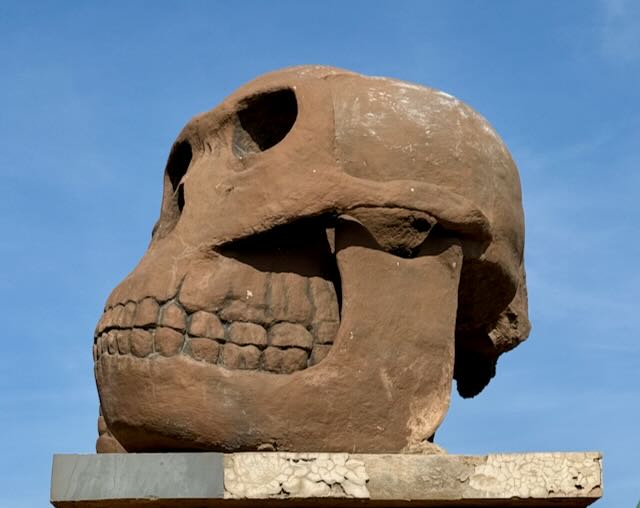
If we participate in archeology, gaining a spotlight for our work is formidable. We are as remarkable as the people/objects/history that preceded us and occupied the space where we excavate. If we find something never cataloged before, we can draw much attention. However, our site and work can diminish in significance when an older or more preserved version of our find is discovered elsewhere.

If we are committed to doing the work that matters, we may need to be comfortable making meaningful contributions rather than generating headlines. If we are in it for the glory, then we must be willing to sacrifice long-term gains for short-term attention.

Original Cast

If you are a member of the traveling cast in the Broadway mega-hit Hamilton, how do you benefit from the DNA embedded by the original cast? With multiple productions worldwide, there are some links back to the original cast members who developed the characters and added depth and dimension to the songs. If you play King George III in a current production, you can trace nuisances to Jonathan Groff, the original performer portraying the Broadway King George. Your performance is calibrated in some measure based on the first iteration.

How might we recognize that when we join a cause, we have some connection to the original cast who started the enterprise? How might we benefit from their insights and add our own perspective as we build the best version of the cause? What transitive properties from the founders have cascaded to your work?

But They Have Never Seen…

Last night as I was out a ridin’
graveyard shift, midnight ‘till dawn
the moon was as bright as a readin’ light
for a letter from an old friend back home

He asked me why do you ride for your money
Why do you rope for short pay
You ain’t getting’ nowhere
And you’re losin’ your share
Boy, you must have gone crazy out there
But he’s never seen the Northern Lights
Never seen a hawk on the wing
He’s never seen Spring hit the Great Divide
And never heard Ol’ Camp Cookie sing

Night Rider’s Lament is a classic song illuminating the paradox of a cowboy’s employment for minimal pay versus real-world working opportunities. The song’s refrain provides an insight into the benefits of enduring the challenging conditions; the beauty of nature and the comradery of those who join you in a unique pursuit.

How might we recognize that how we keep score is not universal? How might we remain curious about the motivations of those who take a different route?

We the People

Dedicated to serving others, perhaps start with the perspective of ‘we.’ A marching band of one person might be unique but likely limited in their capabilities. If we work together, we can achieve a level of performance and impact that might not be available to those who focus on their individual status. Even if the stadium is not full, we deliver for those who are looking to engage with what we have to offer.