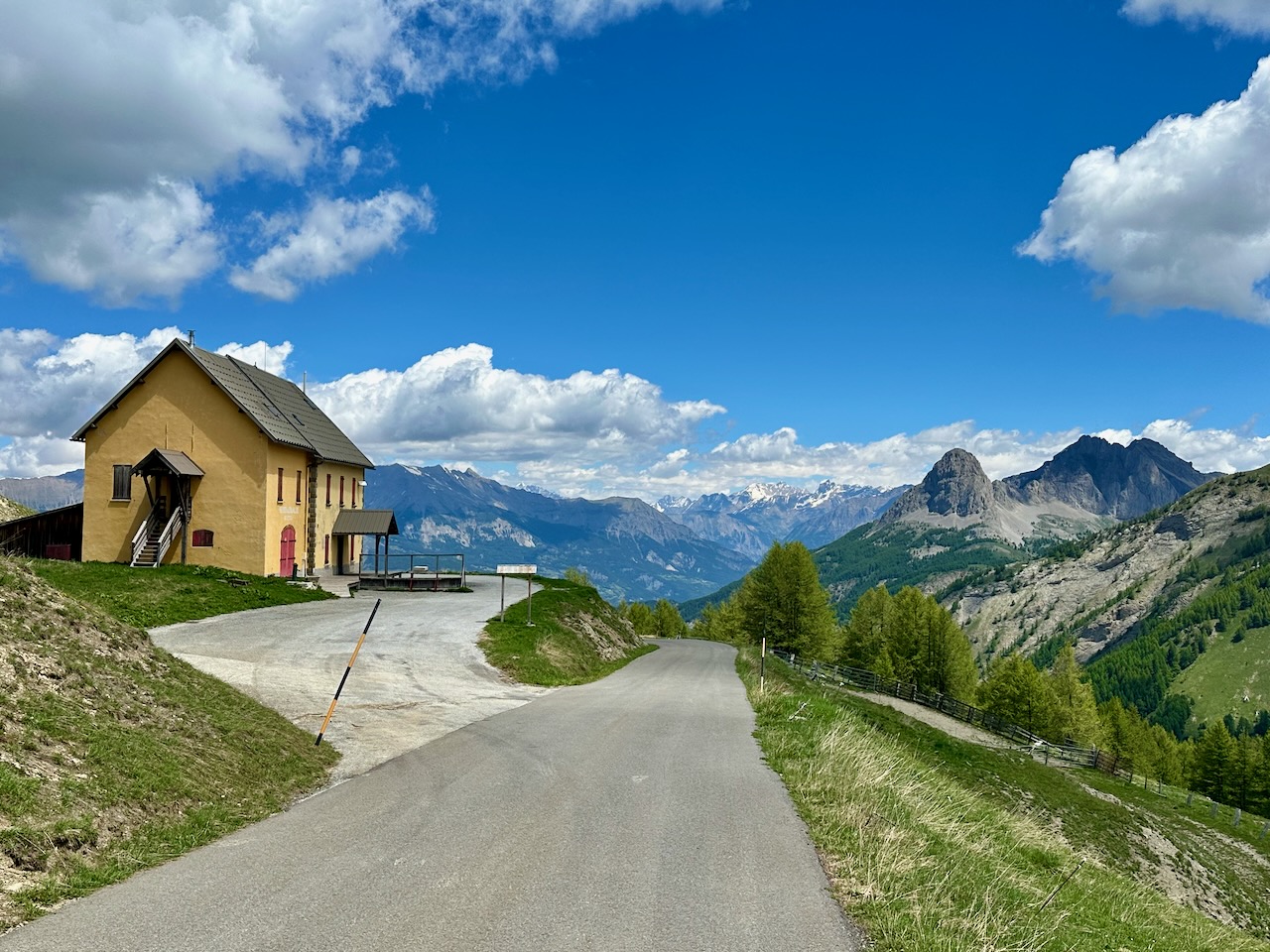
When the mountain pass is open, the snow melts from the road, the weather is inviting, the refugio is well stocked, and business conditions are set for capacity. If the environmental conditions alter, business at a mountain hut can cascade to zero quickly. A closed road due to a mudslide, a challenging patch of weather, or a larger event in the valley villages creates challenges.
Location can make us remarkable, but it can also leave us outside the circle of safety. Awareness dissipates when nobody can reach us. However, our setting attracts those seeking our attributes when the conditions are right.
Sunsets are fleeting. We never know exactly when they will reach peak hues, and we cannot be certain we are in the ideal location to witness their grandeur.
How might we be present when witnessing a sunset and absorb the experience without stressing about the details? Sometimes it is best to stop our progress and mark the moment. We may only capture a portion of the event. Being flexible may be the most remarkable part of our viewing experience.
Waterfalls tend to attract attention. If reaching one requires navigating a hiking trail, many people use the waterfall as a turn-around point or a place to rest before continuing up the trail.
How might we position ourselves as a point of confluence with the surrounding environment? How might we evaluate our location as part of our strategic value proposition?
As Steve Martin shared in an interview, “Be so good that they cannot ignore you.” What makes you so good that people seek you out? What is remarkable about your service that inspires people to risk their social capital by recommending you to their peers?
There are dog bones or selections of specialty dog bones customized to satisfy your dog’s cravings. So often, there is a comfortable but crowded space in the middle and a vacant frontier on the edges. Which geographic region are you seeking to occupy? Do your stories and actions match up?
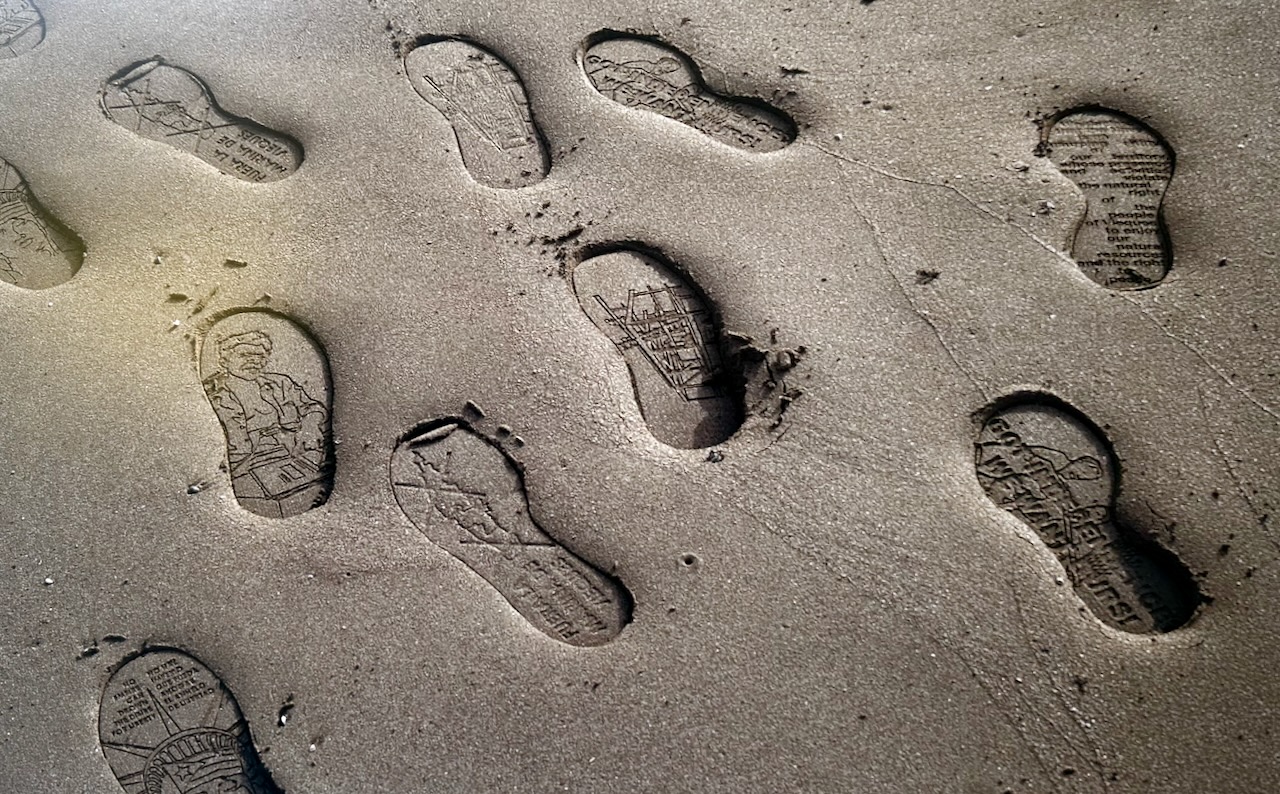
What message do our footprints represent? Are we setting a path for others to follow? Do we intend to seek sanctuary and obscure our tracks? Might we follow the crowd and tread on historically worn trails? Is it possible to inspire those who follow?
It is easy to think of our footprints as follow-through. The activity has been completed, and we do not witness our tracks unless we commit to pivoting to observe our path. It is usually in difficult terrain that we might commit to a review of the terrain we have previously traveled. The propensity of time, our focus is only forward?
When do you consider the topography already covered? What is the lasting impact of your completed work?
If professional athletes aspire to have an inspired fan base attend their events and cheer for them during a competition, is their reciprocity that they offer an interchange when encountering recreational athletes during training sessions? Said more directly, if amateur cyclists wish teams of professional cyclists greetings as they pass on the road, are multiple blank stares back from the pro squad a promising way to engage with fans? Might they lift a finger in recognition or utter ‘hi’?
How might we not overlook simple exchanges all due to our focus on assembling the greatest audience to cheer for us at our signature events? How might we remember that the most casual interactions might be the cement that creates a bond? Some of the most pleasing memories are formed in the unscripted moments orchestrated by serendipity.
There is audible frustration that current professional sport all-star games are becoming performative. There is little incentive to win, concerns about injuries, protective egos, and a growing apathy. How might an all-star event become noteworthy? Who is an all-star game for, the players or the fans? How might we ensure we are not hosting events that become irrelevant, even when we have the right people in the room?
When a group does something noteworthy once, we call it a blip. But if they repeat it again, and again, and again, we search for clues. During a school’s annual day of giving, the graduates from the class of 1988 participate at an extraordinary rate. There is nothing unique about these graduates, no celebrity offering tickets to their next event or incentive scheme that makes participation transactional. Simply put, one class member dedicated themselves to staying in contact (pre-social media) with most of the class. They sent out several emails before and during the one-day philanthropy event. Class members respond, and the cascade of contributions flows, with the participation rate edging toward 80% (the above screenshot was taken before all gifts were made). Other class agents attempt to replicate the giving patterns of the class of ’88 with mixed results but usually cannot sustain the participation rate. The class of ’88 is an outlier, not necessarily managed by the school, but a once-a-year revival.
How might your cause embrace your outliers? Where do you offer support? Where do you stand aside and allow the organic nature of their actions to proceed, unencumbered by systems? Which outlier activities are transferable, and which are not easy to replicate?
Alternate routes, alternate team members, and alternate itineraries are not for everyone. It is the road less traveled, a side track that reinforces the primary route and, by name, implies it is less significant. However, it gets us further down the trail if required. Consider all the Olympic and World Championship events where an alternate team member is sitting on the bench, at home, or competing at a secondary event. These remarkable individuals were one place away from making the team. They were tantalizing close to being in the game. Due to their consistent presence, insights and support, they are a catalyst for the selected athletes.
Who are your organization’s alternates? The individuals not on the staff or the board but who can jump in when necessary. The substitute teacher that fills in for any absent teacher. The volunteer who can jump in at the last minute to engage with donors or run a checkout station during the big gala. The former staff member who knows how to coax a report from an aging software system. Having highly competent reserves ensures your enterprise continues its journey even when an alternate travel route is required.