wayfinding

A Limited Number of Photos

If you had just ten photos to take during a week-long trip, how would you decide when to snap one of these precious images? In the age of digital photos, we take multiple shots without consequence unless our storage capacity is limited or our battery life is at 1%. But our mindset changes when a natural or artificial limit governs our activity. Looking at a recent adventure, I have deleted at least seventy-five repetitive photos, poorly framed, out of focus, or unintentional. It cost me little but some editing time. However, I am hard-pressed to select my ten favorites from the trip, a challenge to cover the highlights and iconic moments.

A powerful outcome of design thinking is generating numerous ideas. Creativity and multiple mindsets allow for expanded horizons and innumerable pathways. There is a moment when we must select a limited course of action. A portion of strategic planning includes this moment of refinement. I refer to it as an ‘energy management plan’ since we only have so much capacity to focus our resources. If you had to select three areas of focus, what are they? If your three areas are raising more money and funds, I suggest those are the results of focusing on the work that matters.

I am handing you a virtual Polaroid camera. What images are you hoping to capture if given three photos to take of your organization’s strategic future? Do they capture the superpower of the organization where you are uniquely positioned to act or are they a wishlist of certainty (endowment, waitlist of potential board members, and everyone in the community is a member of the organization)?

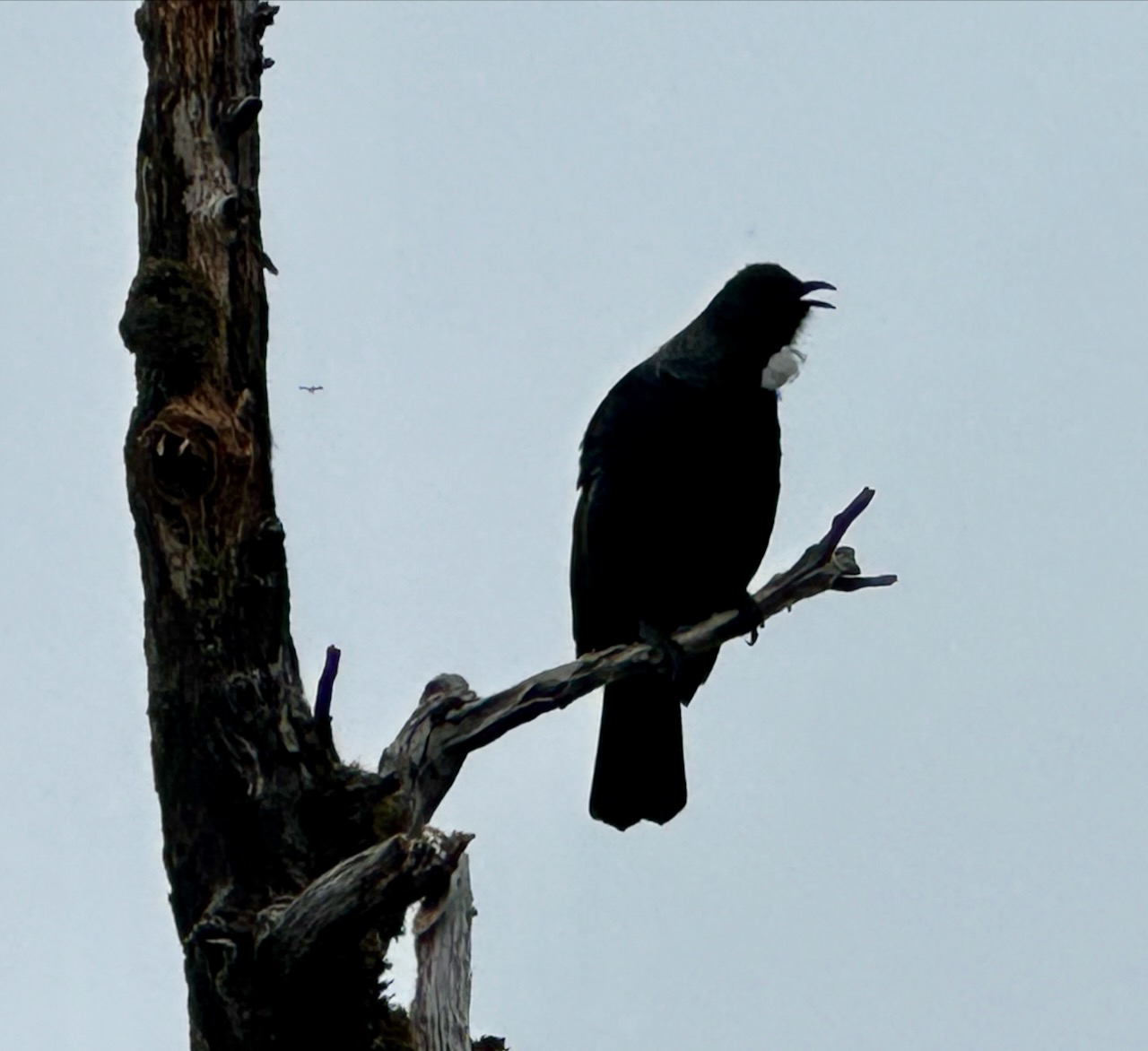
The Tui

The Tui is a remarkable bird found in New Zealand and Australia. It has two voice boxes, creates a distinctive call, and can toggle between high and low variants in its song. In addition, it has a white tuff of hair on its throat that’s purpose is still being researched, an evolutionary puzzle yet to be solved.

The Tui is a symbol of the dedicated skill required to blend tactical and strategic perspectives into conversations. The strategic establishes the background and horizon line, and the tactical places the activity and focal points. How might we fuse these two framing elements into a narrative that is accessible and provides additional clarity?

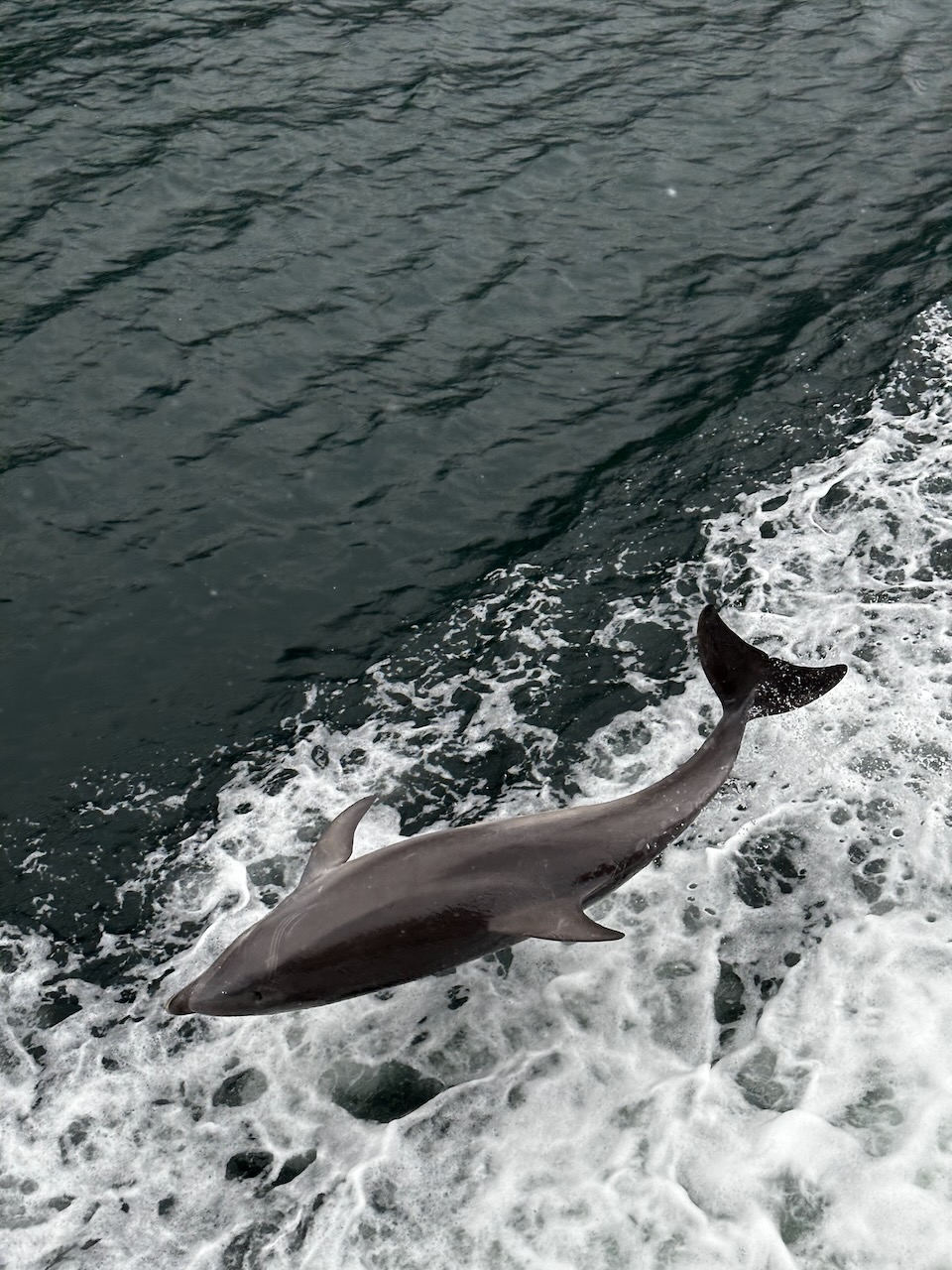
Play

How do we make time for play within our work, travels, and life? Based on research, it may represent the highest form of humanity and is essential to our evolutionary process. Animals find unstructured moments to play while balancing other vital responsibilities. However, we tend to schedule everything but play into our work plans. What if we asked how might we find more time to play? How might that change our priorities and our perception of our priorities?

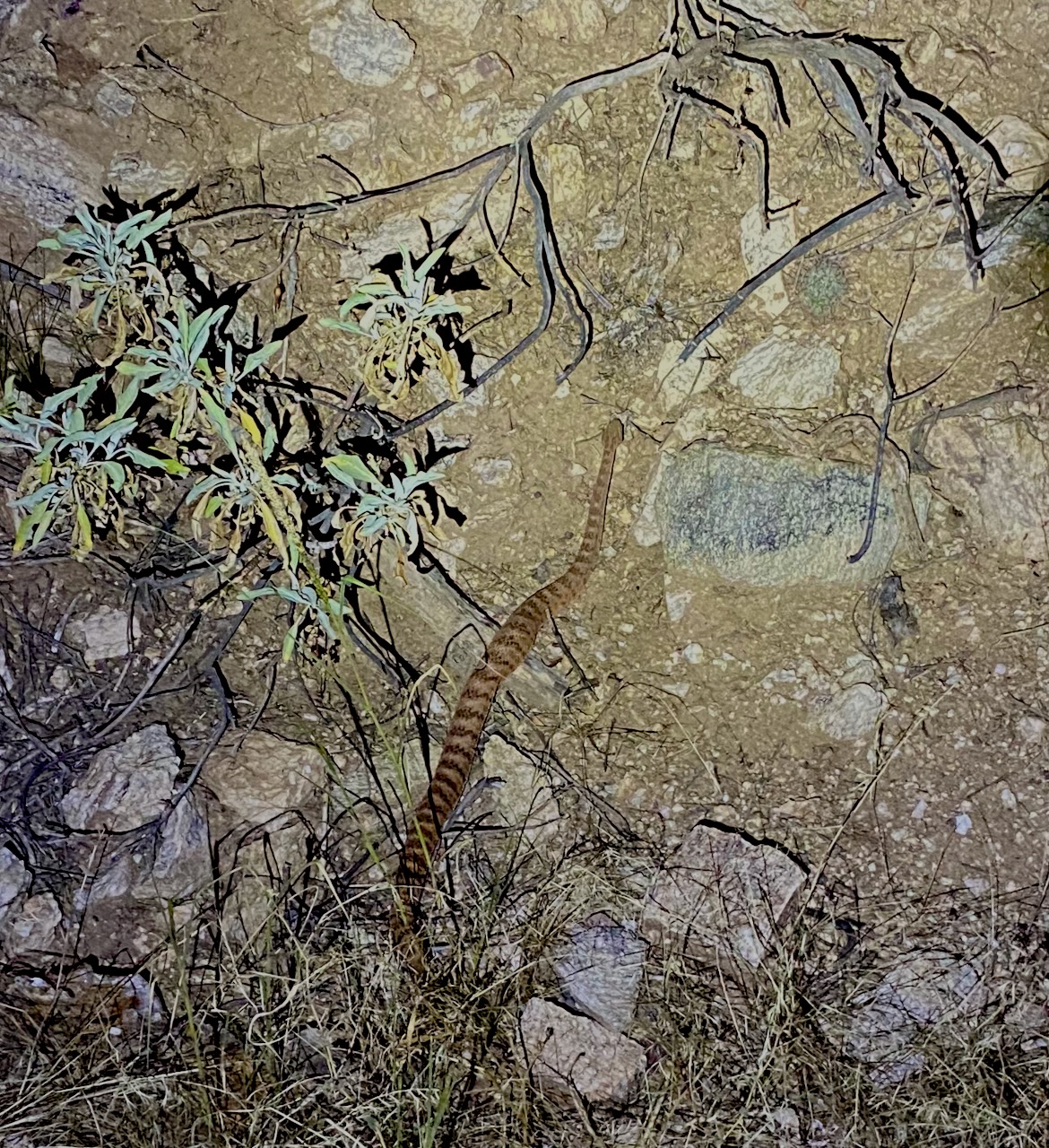
Blazing the Way

Somebody had to figure out how to put in the first path. Then it the trail was updated and perhaps improved. Maybe another individual found a better route. Eventually, a group decided to construct a road. It was not easy, but now buses, cars, and cyclists pass without considering the obstacles.

What paths have you blazed or improved? What is their impact? Does anyone notice anymore? If they are well-designed, perhaps the purpose is not to point out what was near impossible during construction.

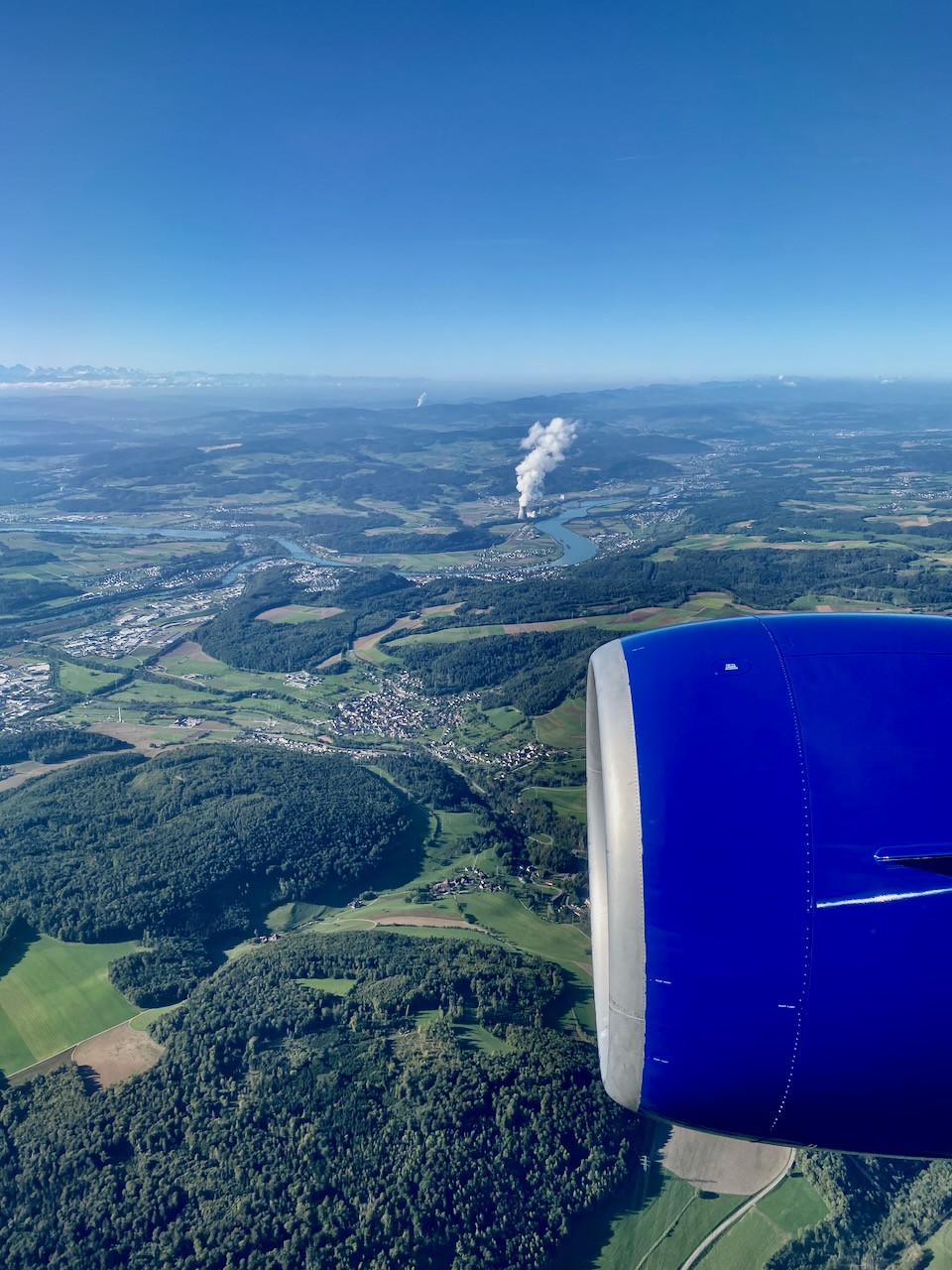
Power

Energy comes from numerous of sources. It is easy to take it as an absolute, there will be power when needed. It is omnipresent. However, how we channel it becomes the question. It can propel us across the sky, turn on our lights, move us across open ground, or focus our attention. How might we direct our energy sources to have the greatest impact?

I have re-framing the act of strategic planning as an energy management plan. There is much we can work on, but where we direct our output is a critical decision.