wayfinding

Relative

Speed is relative. When running on the promenade deck of an ocean cruise boat, we get a peculiar GPS recording. The ship’s forward momentum might be faster than our average pace, so we progress across the ocean, even when our run changes to walking or standing. Viewed by a passenger sitting in a deck chair, our running speed might be assessed at 8 mph. Seen by a lighthouse tender as the vessel passes close by, we are estimated to be moving at our running pace, plus the ship’s speed. Now, our relative speed might be over 25 mph.

How might we recognize our perspective is relative? We see things from a unique perspective, and our assessment is relative to location. What may feel fast, slow, big, small, daring, safe, lonely, crowded, remarkable, or average is relative.

Backlight

What perspective becomes visible when you add backlighting? How might we use different approaches to consider an idea instead of approaching from the same direction at the same time of day? If you head out on a night hike, navigate in a snowstorm, or work from poorly scaled maps, you experience alternate ways of traveling.

How might we occupy diverse vantage points at irregular times of day to see the terrain ahead in both ideal and challenging conditions?

Celebrating Halfway

How does it resonate if I celebrate running a marathon at the half-marathon mark? A half-marathon is an accomplishment, and on its own, the result would be worthy of sharing. However, in the context of a marathon, it is simply fifty percent of the work, and some suggest less than 50% of the mental and physical exertion. If we state the big goal, our progress bar is correlated to the total distance. Is it necessary to reach the finish line to celebrate the journey?

How might we understand the implications of announcing an ambitious goal? Is there significance in the effort if we do not reach the destination? Is exponential value delivered to those who complete the course versus those who commit to an effort and cease before crossing the line?

The Void

Flightradar24 is an excellent app for tracking flights. You might comprehend some consistent travel patterns by visiting the site enough times. For example, the flights departing for Europe tend to depart in the afternoon and fill the Atlantic routes as the evening progresses. Alternatively, FedEx and UPS aircraft dominate overnight as they sequence into their respective bases in Memphis and Louisville. Occasionally, an anomaly is visible. A disruption to the patterns that stands out, even without activating additional filters like weather or volcanic activity. A void forms. It is easy to see the pattern disruption as an opportunity, like an open travel lane during a traffic bottleneck. But upon closer inspection, we might recognize the barrier.

How might we not race into each opening, focused on getting ahead without evaluating the environment surrounding us? How might we seek the insight of trusted partners before acting?

Static

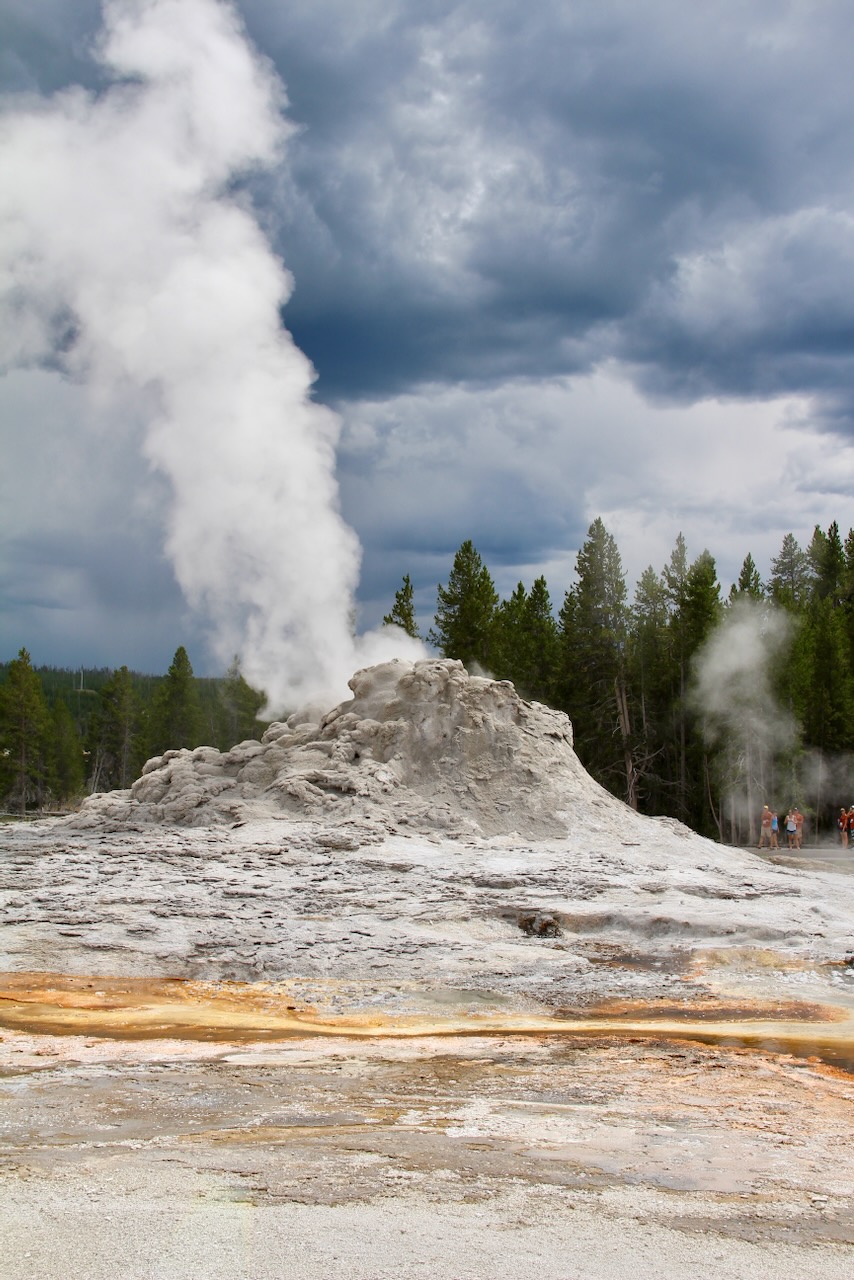
Static might be disruptive and aggravating. It can seize our attention and disrupt our regularly scheduled programs. It transforms how we perceive time. But, it might be the forerunner to a significant event or tectonic shift. How might we remain curious about moments of misalignment and uncertainty? How might we remember that those who came to the edge of the Grand Canyon or trekked into Yellowstone’s Geyser Basin felt doubtful until something unprecedented emerged?

Certainty

Are you more or less likely to trust a directional sign if it appears rickety and patched together? Is it safer to take guidance from a signal that appears in an original state versus one in a liminal state?

What opportunities do we miss when we forsake the uncertain? What risks do we avoid by staying on the main path? What resources are we willing to expend in search of something new?

Blazes and Scars

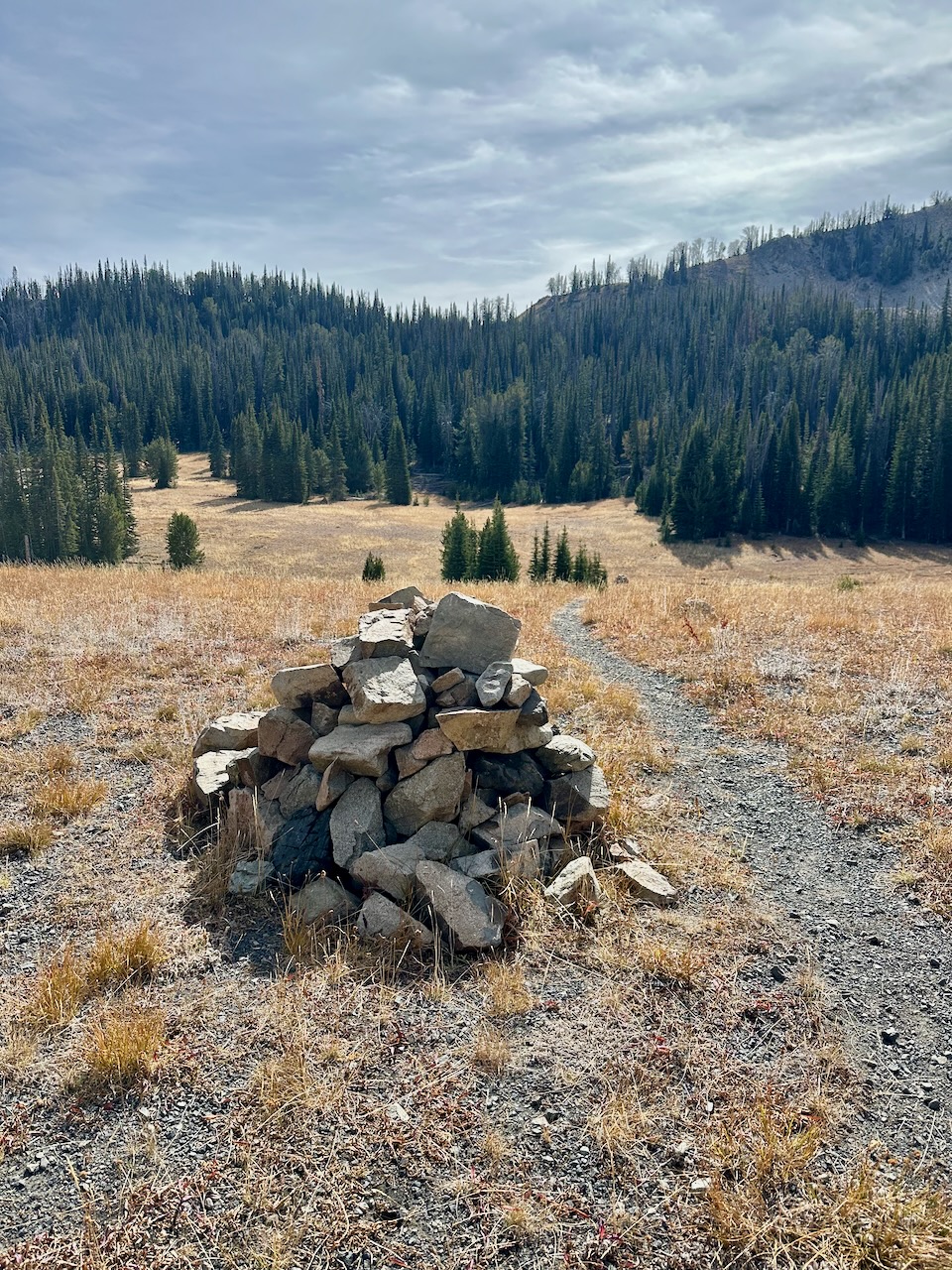
When does defacing a tree serve the common good? Blazing a tree was a common form of marking a route in geography where trees existed in abundance. A uniform combination of markings symbolized that this was human-made and intentional. It contained meaning and assured travelers that they were on an established trail.

Animals also used trees to mark territory, sharpen claws, or satisfy natural instincts. These markings may be considered scars, even though the animal kingdom might believe that these marks served a similar purpose to a human blaze.

How might we expand our mindset to remain curious about the features we encounter during our journey? How might we not pass up the opportunity to double-click on the unknown so we might add depth and dimension to our understanding?

Direct to the Destination

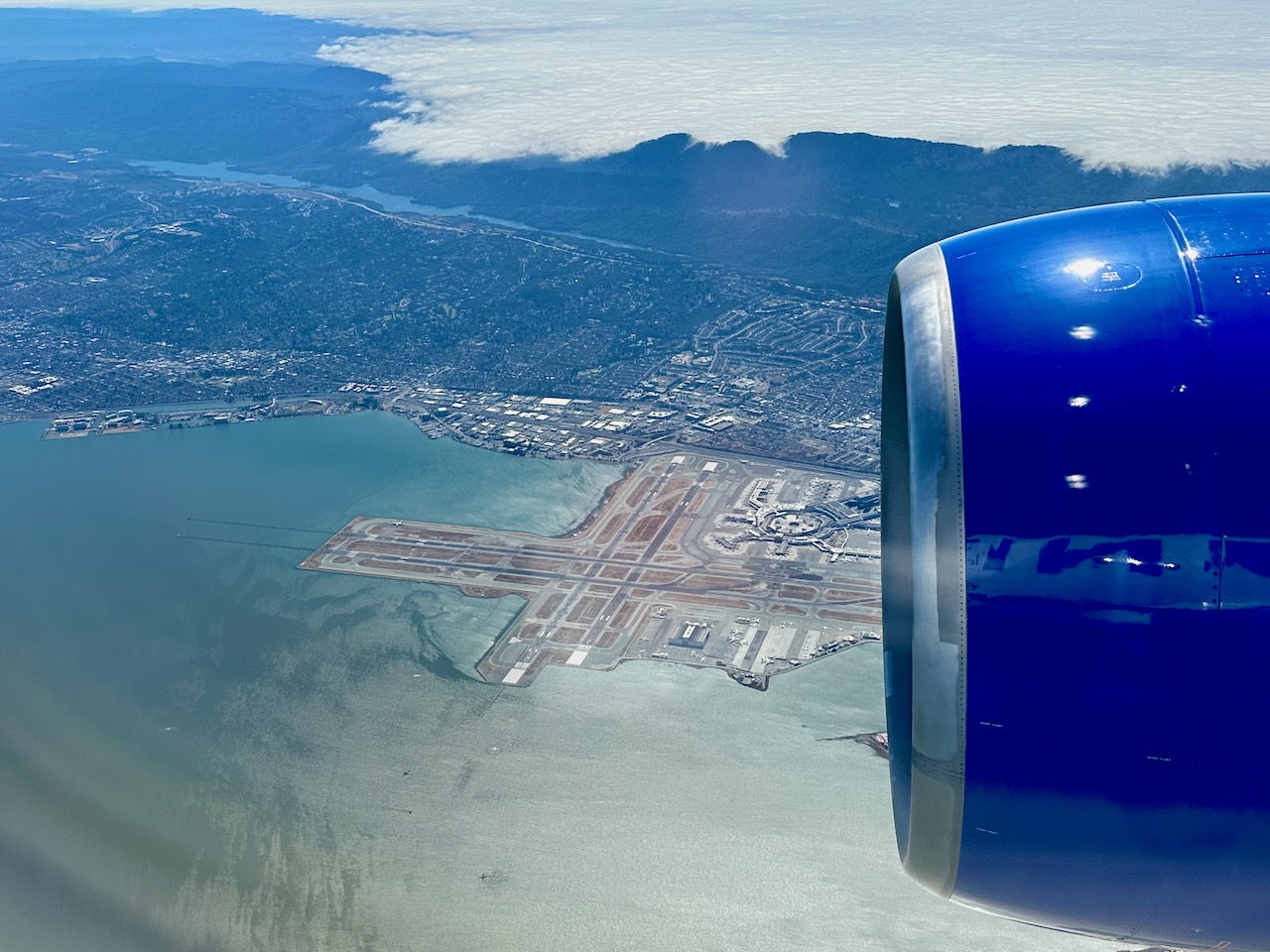
Technically, the pilots could turn the plane in the pictured scenario and attempt to go directly to the airport. The probability of a successful landing is extremely low. It is in the best interest of the plane, passengers, and crew that the flight passes the destination to line up on a final approach that is practiced, planned, and highly predictable.

How might we avoid heading directly to our destination when we are not likely to reach it safely (or with the intended impact)? How might we plan how to arrive, not just focus on connecting the dots between two locations?

Bus Stop

It is not convenient or realistic to wait to engage our fans on the shoulder of an interstate highway between exits. We are more likely to engage if we position ourselves at a bus stop (or any accessible location) where those we serve might be disembarking.

How might we assess if we are accessible to those we wish to support or if we have created unrealistic barriers?

A Tour

If you had an hour to take key supporters on a tour of your enterprise, which stops would you include? Who would narrate? Who would you invite as guests and as representatives of the cause? Would it be primarily sightseeing, or would there be an immersive opportunity?  

How might we pre-plan our itineraries for those who wish to know more about how we serve so we are not just pointing and walking when the opportunity presents itself?