wayfinding

Being of Service

Leaving the barn for a horseback ride, dirt and debris from one horse collects in the aisle. So, I could sweep just outside my horse stall. Or, I could sweep the entire aisle. The entire job might take a few additional minutes, and it leaves the barn cleaner for those who come after.

Are we serving ourselves, or are we being of service to others? We cannot always do more than needed but when we do, we amplify the work of those around us.

One More Interval?

If you have energy for one more interval (high intensity, shorter duration effort) during endurance training, should you do the interval, or is it more beneficial to finish the workout before reaching empty? Sports physiologists suggest that the body is like an iPhone battery. It performs best between 80-20% of charge. Draining the battery (body) too much causes the battery to lose functionality, and maintaining a constant 100% charge decreases total battery life. We can take steps to expand our functionality in that sweet spot, but ultimately, there is a threshold for return on investment.

How might we understand that the attributes of ‘grit,’ ‘fortitude,’ and ‘never say quit’ are noble but potentially misguided if not utilized in the right circumstances? Leaving one more interval (effort) in our capacity may be more impactful than finishing the workout (project) in total exhaustion. What is your ideal performance bandwidth if you selected a percentage of effective output (like a mobile phone battery)?

Wave for Less Resources

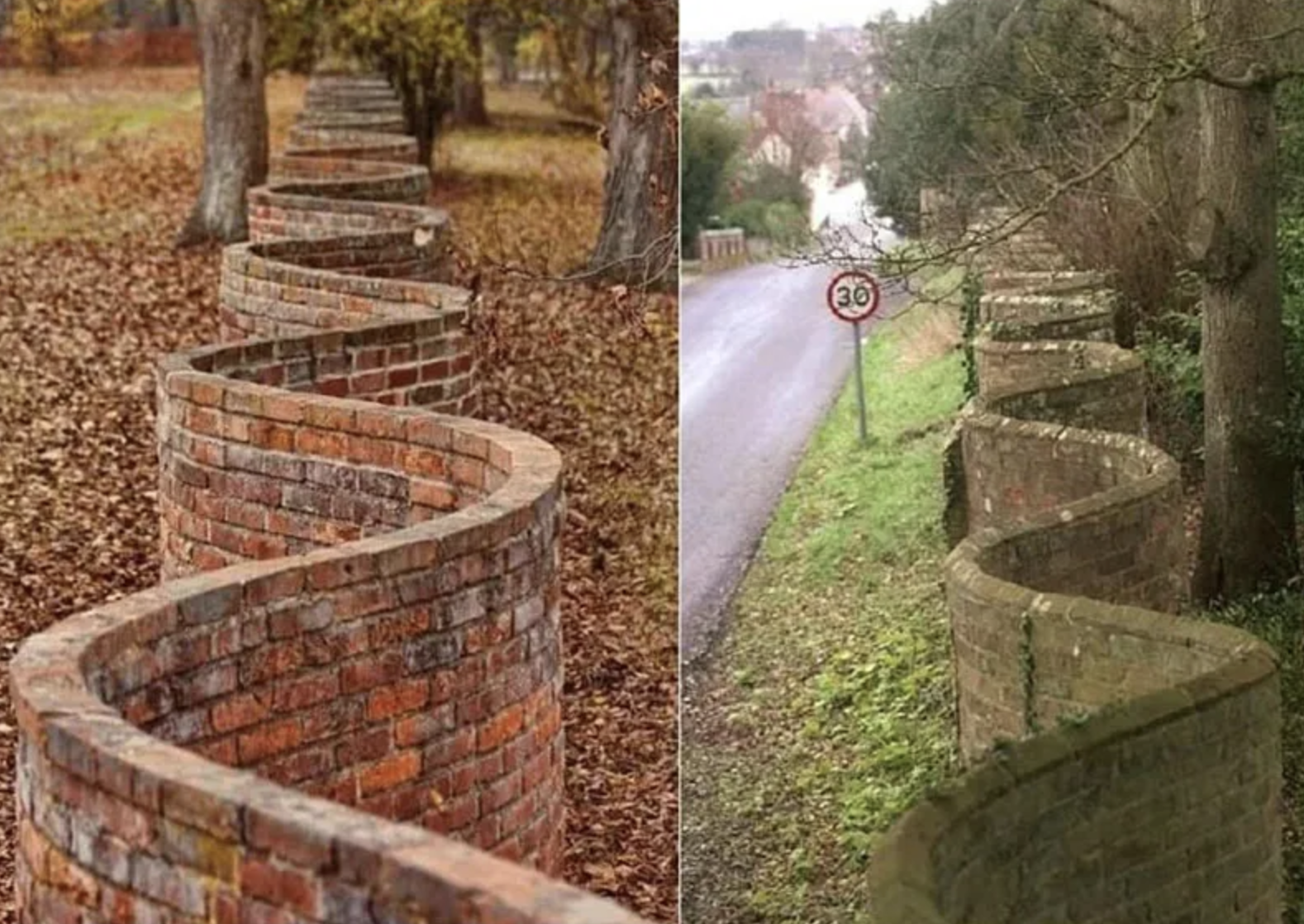
A brick wall built in the shape of a wave (arch) can support itself with a single layer of bricks. A straight wall needs two or more layers of bricks to remain structurally sound. The wave technique was superior for employing fewer bricks to build a wall that connected the same points as a straight-line brick wall.

How might we deploy our resources to maximize our intended impact? A straight line is easy to visualize but may not be our best use of resources.

Rebuild vs New Build

When do you rebuild, and when do you build new? If you are Scenic Hudson, committed to making a transformative investment in Poughkeepsie, NY, you rehabilitate an old Standard Gauge factory into your new headquarters. Building new would have been less expensive, but this project is the most significant undertaking beyond the expansion of a prison complex next door. The location is uniquely positioned at the junction of old railway lines and on the eastern terminus of the Walkway over the Hudson. The site is under construction and led by local contractors and the Mass Design Group.

How might we invest in our mission even when it costs us more resources in the initial phase? How might the long-term impact of our work resonate for our enterprise and the community while preserving a part of the community’s history?

Using Words to Solve a Visual Puzzle

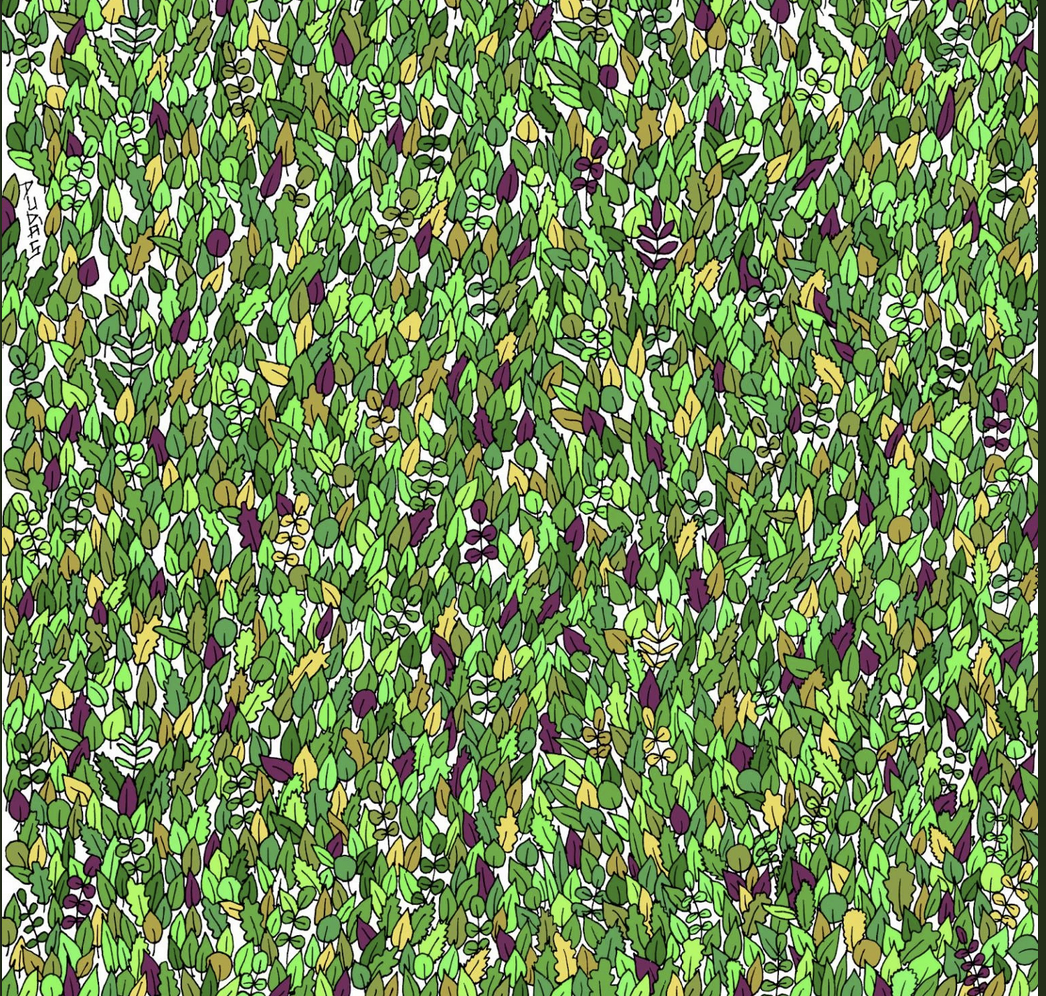
If we only had our words, how would we direct people to the location of the hidden frog in the above image? We rely on shortcuts to set others up for success, but occasionally, those options are unavailable. So, we must rely on an analog solution in a digital world. It is like remembering a phone number or email address when we are without access to a device that contains all that information.

How might we adapt when our mastered routine is interrupted?

Spoiler Below:

***The hidden frog is less than a half-inch off the right-hand edge, about a third of the way up, appears wearing a purple jacket (leaf), and is the same size as the individual leaves in the illustration. If you start at the bottom right-hand corner and work your way up the edge, stop at the first fully illustrated bright green leaf that touches the border. The frog is immediately to the left, with a purple leaf covering its torso.

Fuel for the Journey

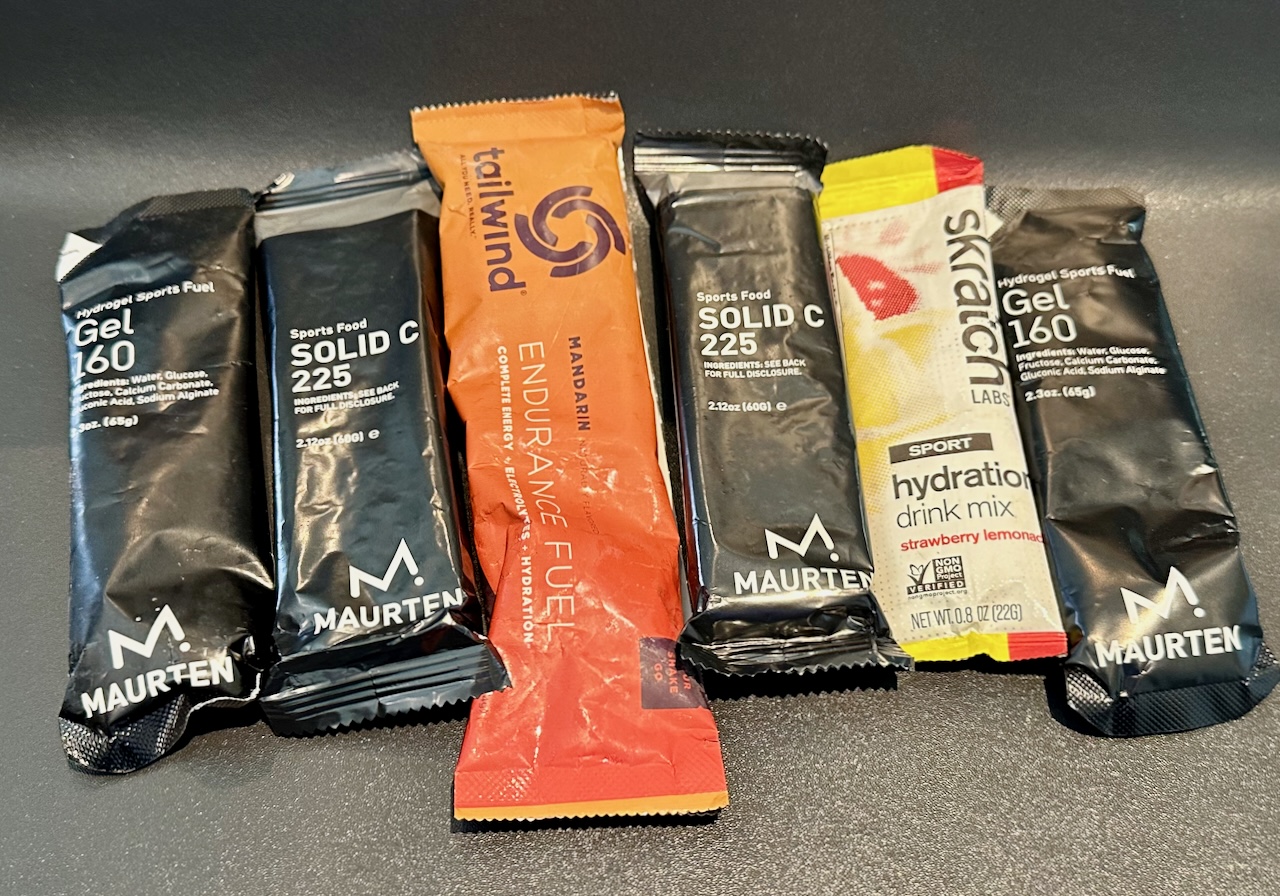
The impact is muted if I eat all my energy bars and drink all my sports drinks in the first half-hour of a six-hour bike ride. If I wait until the final half-hour to consume all my nutrition, the fuel arrives too late to produce a substantive difference. However, the result is much greater if I plan to eat one bar and drink one bottle each hour throughout the ride. A nutrition strategy for my journey allows for a more consistent and sustained effort.

How might we apply this strategy to our own work? How do we ensure we have fuel for our journey delivered at the right intervals?

Why

Why does the opportunity exist in the first place? A first lens is identifying the opportunity. The work that provides depth and dimension is understanding the conditions that nurtures the opportunity to thrive. How might we not jump into any open lane of travel without a moment of curiosity?

Why is your cause solving the problem it selected? Was there nobody working on it or is there a story?

Summit Proximity

Are you more impressed by a climber who is a few yards from the summit or one who has just left the trailhead? Human psychology gives preference to the person closest to the summit. When I am cycling and see another rider in the final minute of a long ascent, there is shared comradery that is not as palpable for the cyclist tackling the initial slopes.

How do we equate the perspective that timing matters? If we climb sooner or later in the day, we encounter other participants in different stages of their journey. Our desire to assign value based on a real-time assessment benefits from a broader picture. Strava creates a virtual leaderboard for cyclists and runners (among others) that can be filtered by day, week, year, or all-time (among other options). We might achieve the best time within a small window, but land pages back in the search of all-time best times.

How might we understand that our current location might impact our value assessment?