Author: whatifconcepts

Empowering those that inspire so they can excel at the work that matters.

Point of View

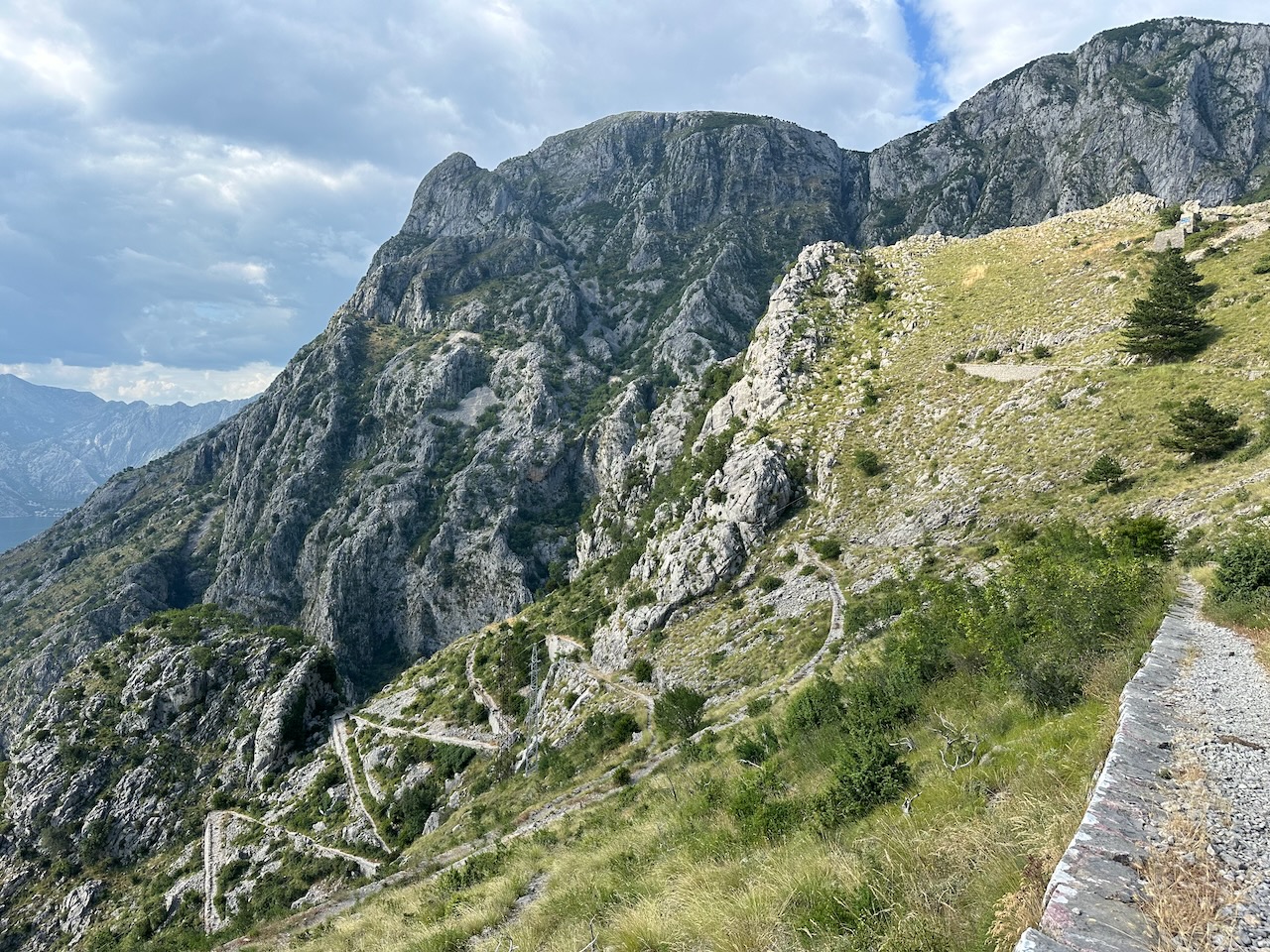
Watching a concert pianist from the keyboard’s point of view offers insight into their talents. If we always observe events from the same viewpoint or sit in the same seats, we are missing out on gaining additional perspectives. As a former collegiate cross-country skier, I recall that the NCAA champion skier on our team would preview the final kilometer of the race course by skiing it in reverse before turning around and skiing it as we raced. He gained more understanding of the course profile by seeing it backward before practicing it forward.

How might we seek out new points of view to better understand the place we occupy? How might we remain curious even when our patterns are habitual?

Shadows

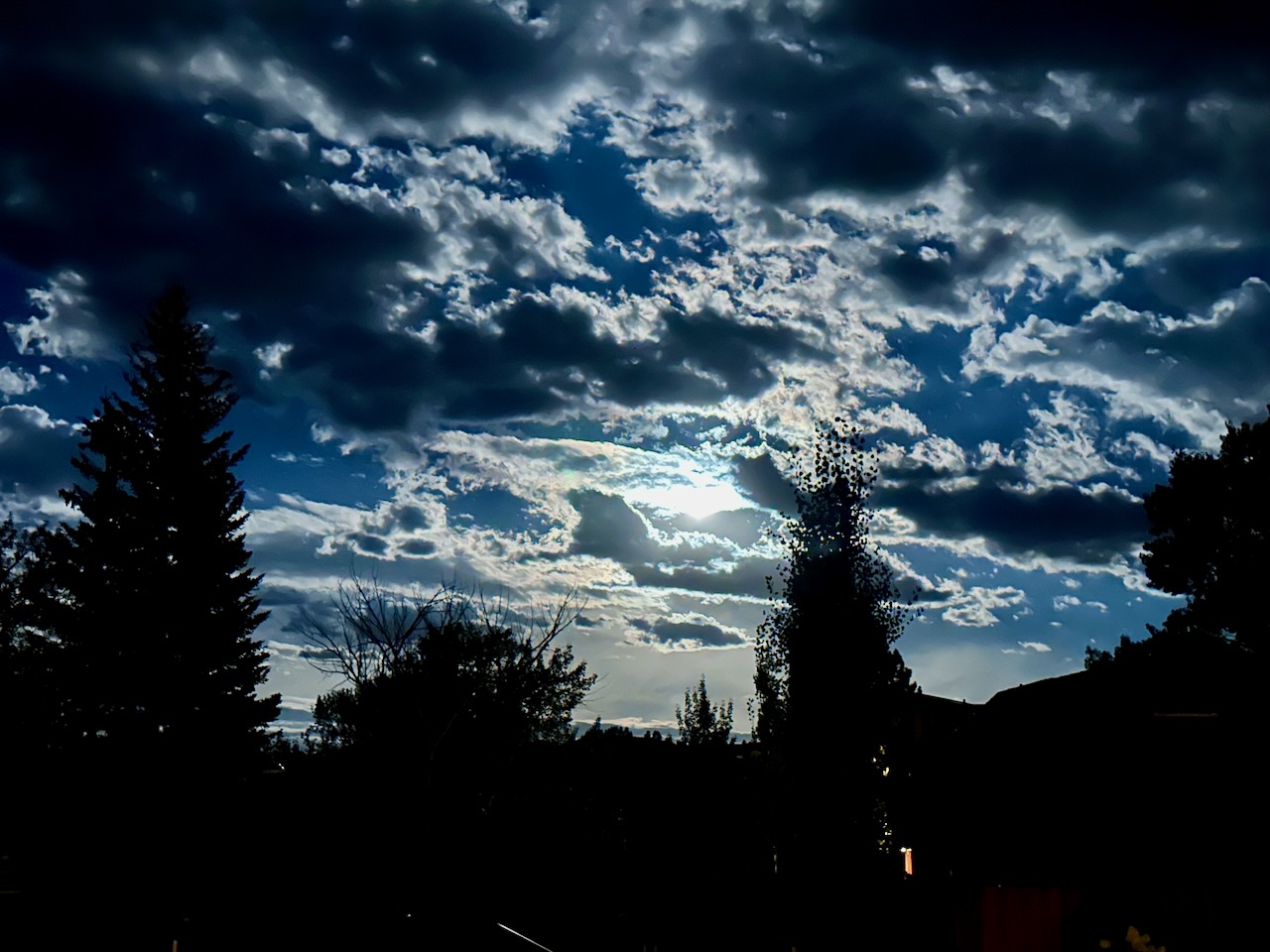
Is the above image an overexposed daytime shot or an underexposed nighttime photograph? When we are uncertain about the subject, it can frustrate us or increase our curiosity. If a full moon presents itself during a meteor shower, we probably miss the best viewing opportunities, but we might search for meteors visible on the periphery. If heavy clouds fill the evening sky, we might quickly give up hope of any viewing opportunities.

Shadows create opportunities to engage others more profoundly and create additional meaning. Or, they can isolate us and keep us from being visible to those searching for our services. How might we position ourselves so shadows add depth and dimension but do not obfuscate our work?

You Are Seen

A relative’s daughter transferred to a new High School this year. She is joining as ‘the new student,’ trying to navigate the complexities of teenage networks. After her first day, friends from her previous High School texted her to ask how the day had gone and about her experience. To me, this is the best of humanity, looking out for others as we aspire to be forces for good.

A recurring question from social sector organizations is, ‘Why have a strategic plan?’ Their typical barriers list include time, resources, frustration with the process, lack of engagement, failure of past plans, etc. I respond with counter-points and shifting mindset possibilities. However, I changed my focus the other day, advocating that these plans are for those we serve. They represent a hat tip, a shout-out, and an ‘I see you’ text to our community. It is a promise that we value their presence, and here are our best ideas to serve each of them. It is an opportunity to offer a point of confluence, a shared journey forward, but it only works if they have a seat in the boat to help us paddle around the next bend.

What if your next plan adopted the perspective of a shout-out to those you serve, reminding them of the miles traveled together and the opportunity to craft a narrative for what will come? What if it is as simple as texting your fans, ‘We see you. Thank you for being with us. Will you join us as we strive onwards?’

Best Decision?

If you are a summer camp trip leader, taking campers into the wilderness for backpack, horseback, and fishing trips has many responsibilities. One of the primary objectives for any journey is the safe return of all those who sign up for the adventure. You and the staff must make numerous decisions starting before the trip departs (food, gear, medications, briefings, etc.) and continuing until after the trip returns (debriefing, medical reports, repair/return gear, etc.).

The campers are the priority for the trip leaders. However, you make decisions throughout the trip considering more than their desires. Campers might prefer to play Capture the Flag, but it is getting close to dark. The surrounding terrain is a rocky meadow ringed by a dense forest. The group is showing signs of fatigue, and you have been briefed that a black bear was recently sighted in the valley where you are camped. You might postpone the game to another campsite and suggest an alternative activity, or you might organize a quick round.

The best decision for maximum fun is to play the game; it might be the highlight of the summer for the campers. A potentially safer decision is to play cards and not allow anyone to leave the campsite unless accompanied by a staff member. This might disappoint the campers but mitigates the risk management exposure. Our decisions are influenced by who we are serving. As the responsible party, trip leaders might consider their training, what parents want for their campers, and how the camp’s management would respond if an incident occurred. Conversely, the campers seek to maximize the camp experience; they see the joy and happiness of a quick game in a remarkable setting.

We are continuously placed in situations where we must decide between options. The stakes of the decisions vary, and the impact of the outcomes ranges wildly. For monumental decisions, we may labor over a variety of considerations. For inconsequential choices, we probably grab and go. The more clarity we have about what we believe, what values are embedded in our cause, who we serve, and what impact we seek, the less friction, and we will get to the decision point quicker for significant choices.

Markets Prevail?

A portion of the social sector’s work is located on the periphery of the marketplace. We are trying to solve homelessness, and private equity has yet to figure out how to monetize addressing homelessness. Environmental causes aim to protect land and wildlife, working in the liminal space between federal, state, private landowners, and public access. Nonprofits aspire to support local artists, building bridges between educators, art collectors, galleries, and the community.

If the market prevailed, efforts to address the aforementioned areas of focus would be less viable in many cases. The social sector works on problems that are not easy to solve and require enduring commitment. It employs ambassadors who provide uniquely positioned voices and lead with empathy. Nonprofits often toggle between two realities: a human-centered approach and the marketplace.

How might we leverage the market to our advantage without sacrificing our intentions of being a force for good?

Selling to Accountants or Drivers

If we sell a car to an accountant, we might focus on the vehicle’s efficiency, cost per mile to operate, and return on investment. If we sell the car to a driving enthusiast, it may be better to concentrate on the driver experience, emotions of sitting in the car, and the story the driver can tell.

When we talk about our work with others, we do not need to sell to ourselves. Rather, it represents an opportunity to share a narrative with the audience that provides them with a chance to engage with the work. How might we find points of confluence that combine the listener’s story with our work? The authentic merging of two narratives allows another player to join the quest.

Escalation

individuals outside a bar, or NHL players after a cheap shot. We see more people drawn to the event, making it harder for the parties to disengage and defuse the situation.  

There are positive forms of escalation, ones aligned with being a force for good. We might join the effort if we witness people taking action to benefit our community. Last weekend, the White Line’s Ride for Magnus took place in Boulder, CO. Thousands participated to remember Magnus White, a promising young cyclist who was struck and killed by an automobile while training. From Magnus’ memory comes the opportunity to escalate a cause and create a safer future and environment for cyclists and the community.

How might we escalate the work that matters? How might we de-escalate events and ideas that lead to adverse outcomes? How might we be a force for good, focused on being of service to others?

Pay In Route

In my youth, the airline shuttle between Washington DC-NYC-Boston would load passengers right up to the moment of departure, usually on the hour. The moment the aircraft door closed, taxi and take-off followed immediately. Flight attendants rolled carts through the aisle and secured payment for the flight, ran credit cards on an imprinter machine, and provided carbon copy receipts. The duration of the flight was short, and the crew hustled to complete all the transactions during a full flight. The plane landed, and everyone disembarked and headed toward their destination. This model has evaporated in favor of pre-payments and cancellation penalties.

Much of our travel is based on upfront payments. Airlines get paid up to 330 days or more in advance for future tickets. There is a psychological aspect to paying beforehand; it represents a form of investment in a future event. When we match this experience with the social sector and donor contributions, most are positioned as investing in the organization’s future. Few campaigns lead with, ‘Help us pay the pile of invoices on our desk.’ It is more hopeful to supply resources for a future endeavor than assisting with debt collection (although the pandemic created a temporary exception).

How might we find our niche when asking for fuel to support our journey? Do our supporters prefer helping us move forward, or do they understand the costs incurred to arrive at our current location?

The Ski Bus

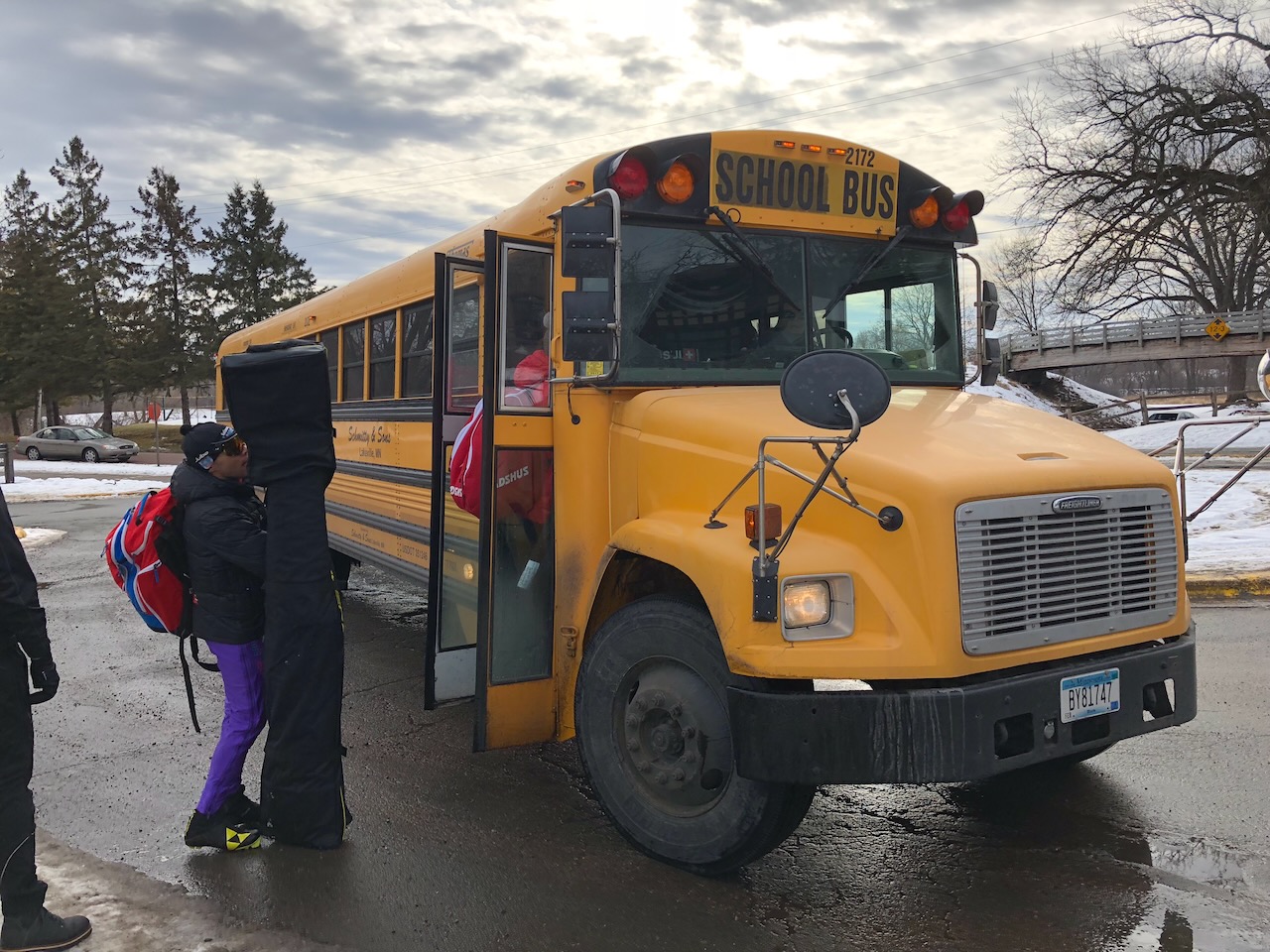
As a kid, I would take a ski bus from the resort to the ski area’s base. It had large metal racks outside the bus, and you placed your skis into a rack by raising them high enough to slot their tails into the rack. It was the most stressful part of the day. I often needed help and feared the bus would depart before I finished loading or unloading my skis. Most of the time, a kind stranger would give me the little assistance I needed to execute the maneuver successfully. The anxiety almost kept me from going skiing.

The bus was designed for adults before anyone considered the consequences of getting road grime on the ski bases. Now, most buses allow skis to be taken inside the bus.

What barriers have we created, intentionally or unintentionally, that are keeping people from engaging with our cause or benefiting from our services? Are we asking the right questions to assess the barriers?