What does an impactful annual report look and feel like? I would suggest the five-minute report uploaded on the vlogbrothers YouTube channel is a remarkable template. Surprisingly, the biggest impact turned out to be the advocacy work contributed by numerous members of the Nerdfighteria community.
The preserved parts of our history are like shards of glass, scattered pieces of a vessel that once was a single container. The parts can be assembled to provide a glimpse into the past, but they cannot tell the whole story. What we choose to preserve often leaves many questions. How might we provide context for the time capsules we assemble for those that follow?
Have you sat at a traffic signal and waited longer than average for the light to change to green? We question the functionality of the traffic signal. Has the sensor registered our presence? Is the signal operating? Is the wait really delayed, or is our perception not in synch with the traffic signal algorithm?
When we witness a sunset, we have a different sense of timing. Nature proceeds without recreating the anxiety experienced at the traffic light. When a sensor or input is involved, we anticipate a reaction. When no opportunities to engage with a system exist, we assume a more flexible mindset.
What sensors have we intentionally placed in our interactions with our supporters and clients? What interactions have we intentionally not installed a sensor? How do our choices impact the mindsets of those we serve?
I hiked the Colorado Trail (CT) in 2023 with my son. It was a top-10 life adventure. A portion of the Colorado Trail overlaps with the Continental Divide Trail (CDT), and we encountered CDT hikers on a frequent basis. The CT contains 567 miles of designated trail (East or West Collegiate combined), and the CDT is 3,100 miles (depending on numerous alternative routes). CDT hikers were generally easy to identify in Colorado, as most were two months into their journey. Their packs were more streamlined, their gear more trail-worn, and they tended to hike from sunrise to sunset, squeezing out a few extra miles if possible. A CT hiker becomes curious about the CDT experience. An annual survey is generated and Halfway Anywhere. It is a treasure of information, recommendations, and advice. When we think about getting insights, perhaps nothing offers more depth and dimension than the collective recommendations of those who went before.
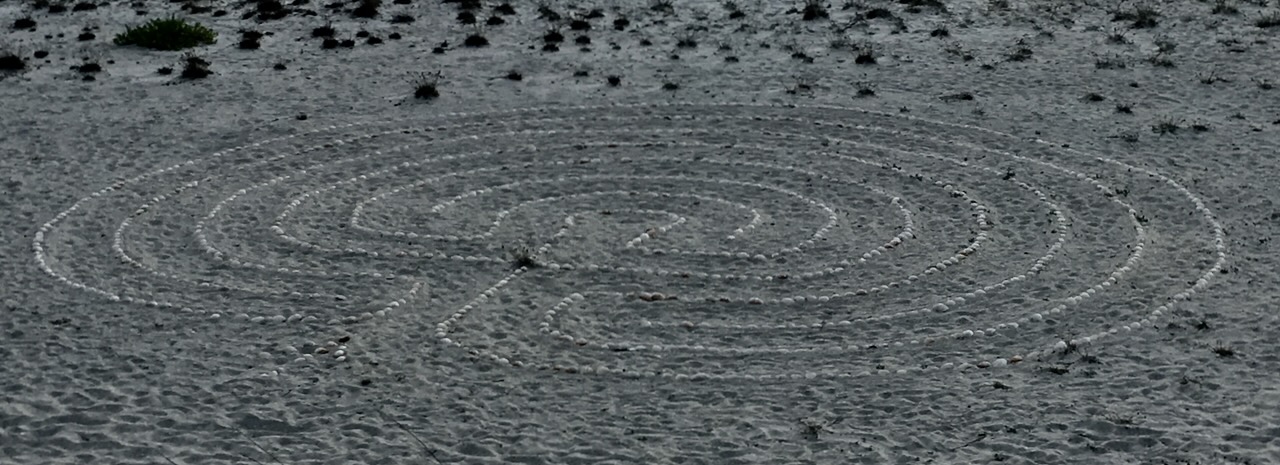
It is just a simulation until you actually navigate the maze in real life. The interesting point is that some simulations reach an opposite conclusion than an actual attempt. See this water in a maze scenario.
One is offense, the other is defense. One requires the spark of curiousity, the other is associated with fear, or at least hassle.
Seth Godin
Seth Godin crafted an enduring blog post defining the difference between adopting and adapting. A strategic decisions we need to discuss is if we are a group of people looking to adopt or adapt? The two mindsets will fundamentally change how we proceed. How might we plan for our future using strategies that reflect our posture?
As a guide, we can empower clients to assume a decision-making posture. How might we design a dynamic so team members assume ownership of the process? They may not have all the necessary field experience, but the success of their thru-hike is predicated on an ability to navigate, even when the route is unclear. If we always adopt a ‘follow the leader’ formation, we dull the wayfinding mindset. How might we empower those doing the work that matters to be active participants in the route finding?
Taglines are a fantastic way of articulating the essence of our cause, except when they are not. I notice taglines more often when experiencing a disruption or disappointment than when things are in a state of delight. United Airlines champions, ‘flying the friendly skies.’ But that does not feel on point when we are requested to deboard a suddenly canceled flight, and there is no customer service agent to assist with rebooking options. Disneyland promotes being the ‘happiest place on earth,’ but a disconnect is palpable when a favorite rides break down, a cast member snaps at us, and waiting for the most popular attractions edges towards triple-digits.
We want to present our best selves, and taglines are aspirational. They set an expectation and a standard. What gives them depth and meaning is how we cover the range of emotions our clients will encounter, from extraordinary moments of joy to unintentional disruption. If we show up and embody the spirit of the values embedded in the tagline, our fans are likely to deepen their relationship with us. If we say, ‘Get over it,’ then we have broken the relationship, and it becomes transactional.
*** Sometimes, we must intentionally break our tagline in order to maintain the circle of safety. That is how we further trust and those who show up know we care.
When it comes to obtaining customer input, executives often think a multiple-choice survey will be the most cost-effective option. They have their place, of course, such as if you want to know the percentage of people who liked or disliked something. But these instruments are shallow and derivative at best, and at their worst they can be annoying and counterproductive. So don’t let them become an excuse for not talking to the customer.
Net Promoter surveys, pre-retreat questionnaires, automated phone calls, and ring the bell if you received good service; each is a tactical way of generating feedback. On balance, they hinder strategic insights from conversations with clients (those receiving your services). A fundamental case for performing focus group sessions or design-thinking workshops is the ability of one real-time participant to build on the idea of another attendee. This process of idea generation does not translate to the opening list of feedback tools. If you run a single proprietor business and the store is only open when you are present, then you have the chance to engage every customer in some type of generative question about why they chose to do business with you. As the number of team members interacting with customers expands, these conversations are harder to generate, and the ideas are rarely collected in a single repository and reviewed. Therefore, it is convenient (for the business) to send out surveys and seek quantitative feedback. This is the detour from human-centered design. If you were asked to select the ‘type of person,’ you are based on one of six choices that applied to all humanity; how accurate of a representation would the data reveal.
What if we prioritized gathering feedback that focused on genuine interactions with our clients? Where possible, gather a cross-section and create an opportunity for generative feedback (free pizza and beverages are well received). This is a key activity that highlights an organization that embraces a culture of curiosity and invests in a remarkable strategic planning process.
How might we select genuine input that does not populate into a dashboard report? How might we gain more clarity about our super fans and why they trust the work that we have deemed essential?
Thinking of expanding your services and area of impact? How might you clarify your superpower in advance of growing? For the Vikings, an ability to navigate waterways more adeptly than other cultures was critical to their expansion efforts throughout Europe.
It is easy to see opportunities but harder to assess which ones are right for your cause. A critical part of the evaluation process is determining what you add to the equation. Where does your superpower’s exponential multiplier get applied? If you want to expand your literary support group, but your customers rely primarily on the public transportation system, it is best to study the bus routes; otherwise, the nicest facility with the best teachers does not maximize its potential. Being located in the community library next to the transportation hub may provide more accessibility, even if there are better facilities located offline throughout the town.
How might we increase the odds of our success by applying our talent in the right location and environment?







 What-if-concepts