wayfinding

Update!

How many posts, announcements, launch celebrations, press releases, or community meetings have you observed during which information was shared about a new initiative or a significant organizational event? How many of these organizations continued to share relevant updates and nurture your engagement?

In my experience, people are keen to make the first announcement but struggle to find an appropriate communication cadence along the journey. It does not take much, but checking deepens connections.

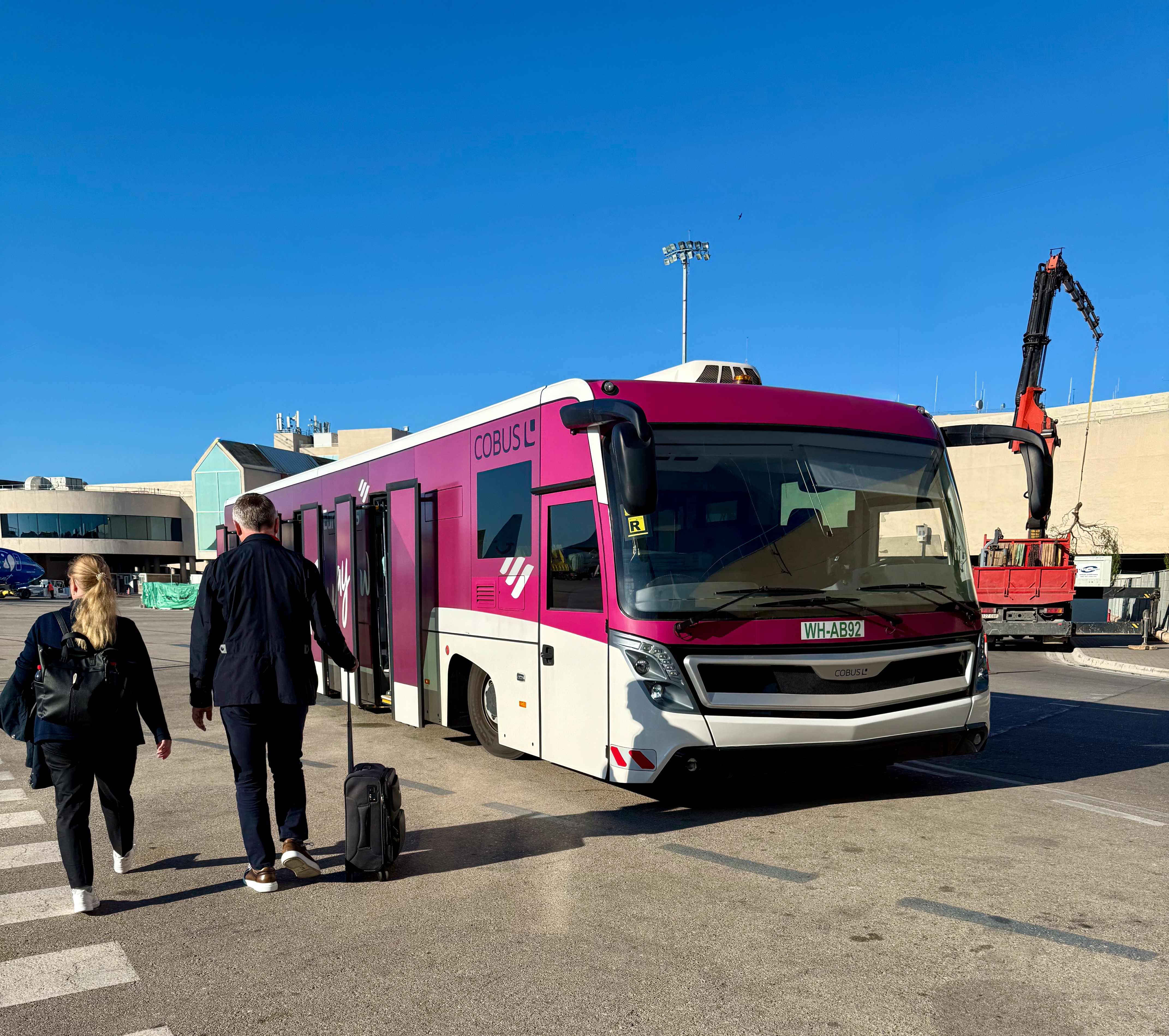
Imagine boarding a long-haul international flight on which the pilots never confirm the destination, make no remarks about the flight plan, do not address abnormal flight conditions, and provide no update before landing. This might make some passengers a bit apprehensive about the journey. Perhaps we can aspire to be more like a well-regarded commercial pilot. Greet passengers, orient them, care for their safety, point out remarkable landmarks, address the unexpected, prepare them for landing, and thank them for their loyalty.

Operational

The map might indicate a viable route of travel, but if conditions change, what is your alternate course? What if we create scenarios where we navigate a different path or complete a project with instruments not usually at the top of our toolbox? Building versatility in a controlled environment might open new, more effective pathways and provide a greater impact. If we always take off and land on the same runway, then being directed to an alternate runway during challenging meteorological conditions is a big test of our capabilities. That is why emergency services and military groups drill various scenarios. They develop a mindset to handle the unanticipated.

How might we try new approaches while the conditions are stable? How might we engage skill sets that are not in our top ten daily practices?

Updating Beliefs

I posted about Bayes’ Theorem previously, but stumbled across the concept again from another direction. One line that struck me was the need for new evidence to update prior beliefs. It reminded me that one of the key attributes of remarkable team members is their ability to remain curious—to ask, ‘What else might this be/mean?’ before jumping into action.

How might we embrace new evidence as an opportunity, instead of feeling we have to make it reinforce decisions already made?

Assurance

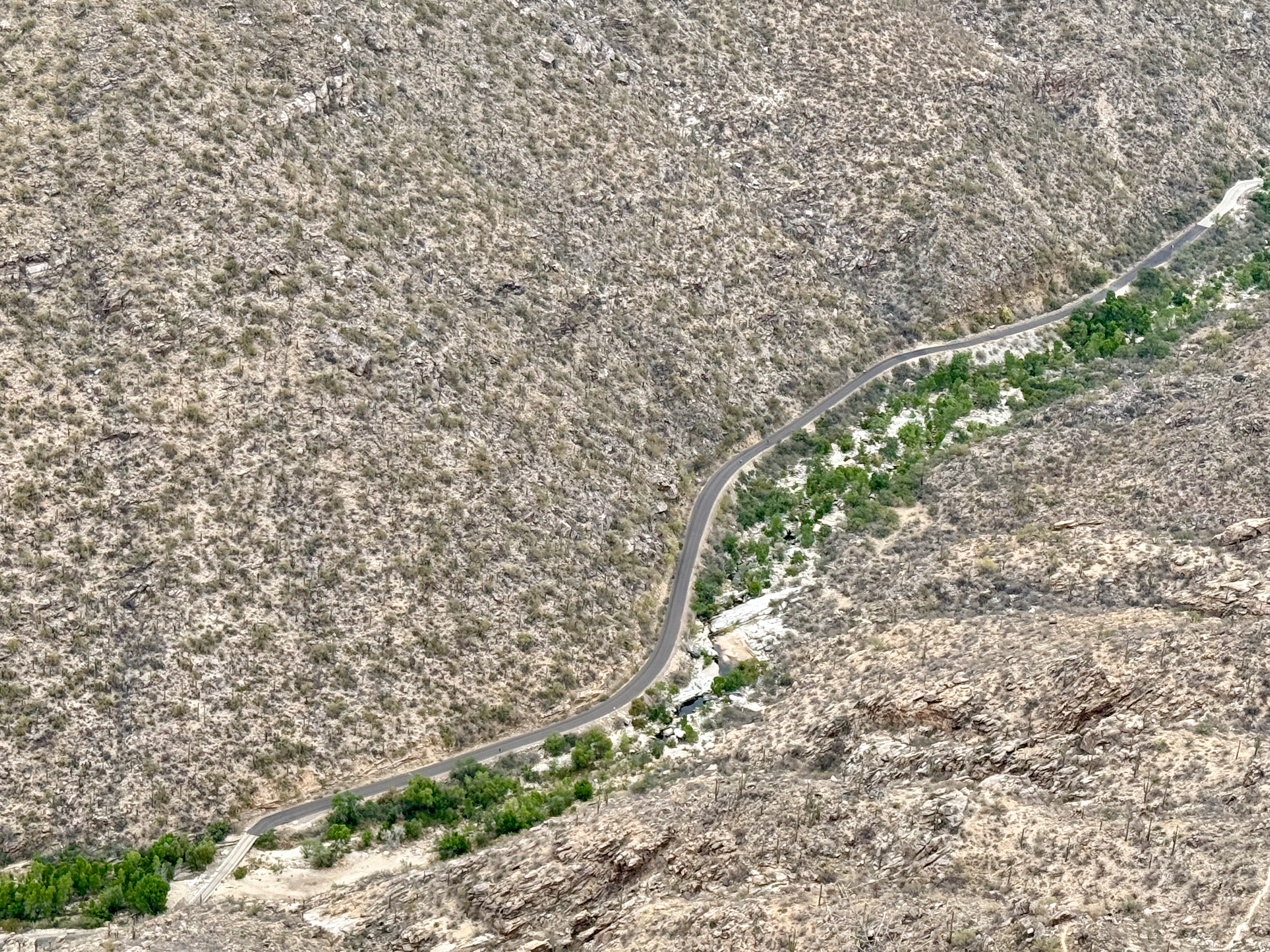
Seeing a sign, marking, blaze, trail, or symbol that confirms we are on route builds confidence. Even with digital maps, receiving real-world feedback that our navigation remains correct is empowering.

How might we leave the right blend of clues and wayfinding symbols to help those who follow stay on course? How might we assess if we need to leave an uninterrupted painted line or if we need markings at appropriate intervals?

Friction

If every destination had an express lane and no traffic, we would quickly underappreciate the journey required to reach the edges of the map. Because of the switchbacks, wayfinding, and moments of confusion, we are forced to endure the moments of high friction. The liminal space between certainty and uncertainty is where our best stories originate.