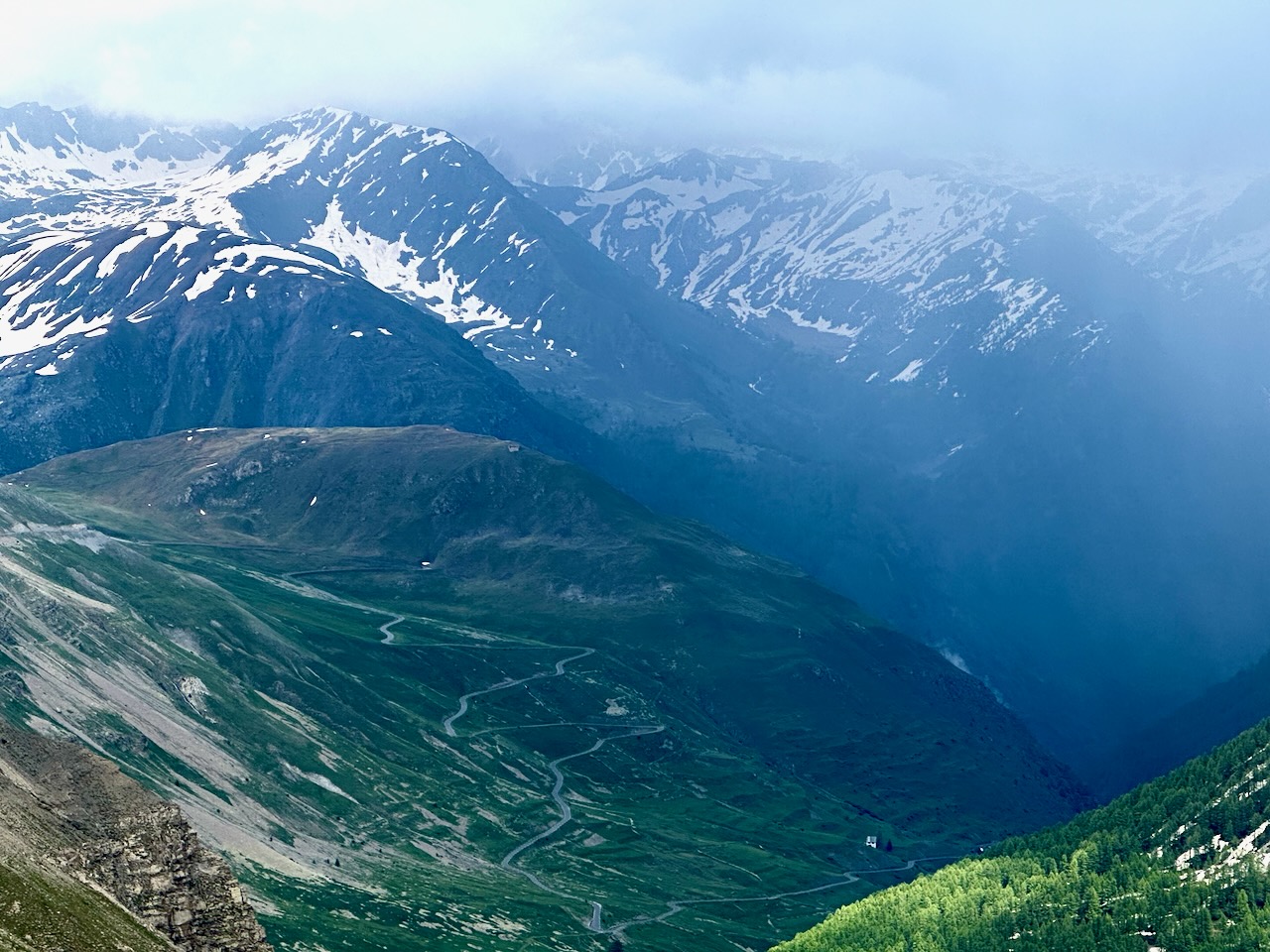
The road ahead is enticing when revealed on a far-off vista. Reaching it may be arduous, but when it exposes itself, it provides confirmation that there is a possibility for the journey to continue. Good sightlines make wayfinding visible.
The road ahead is enticing when revealed on a far-off vista. Reaching it may be arduous, but when it exposes itself, it provides confirmation that there is a possibility for the journey to continue. Good sightlines make wayfinding visible.
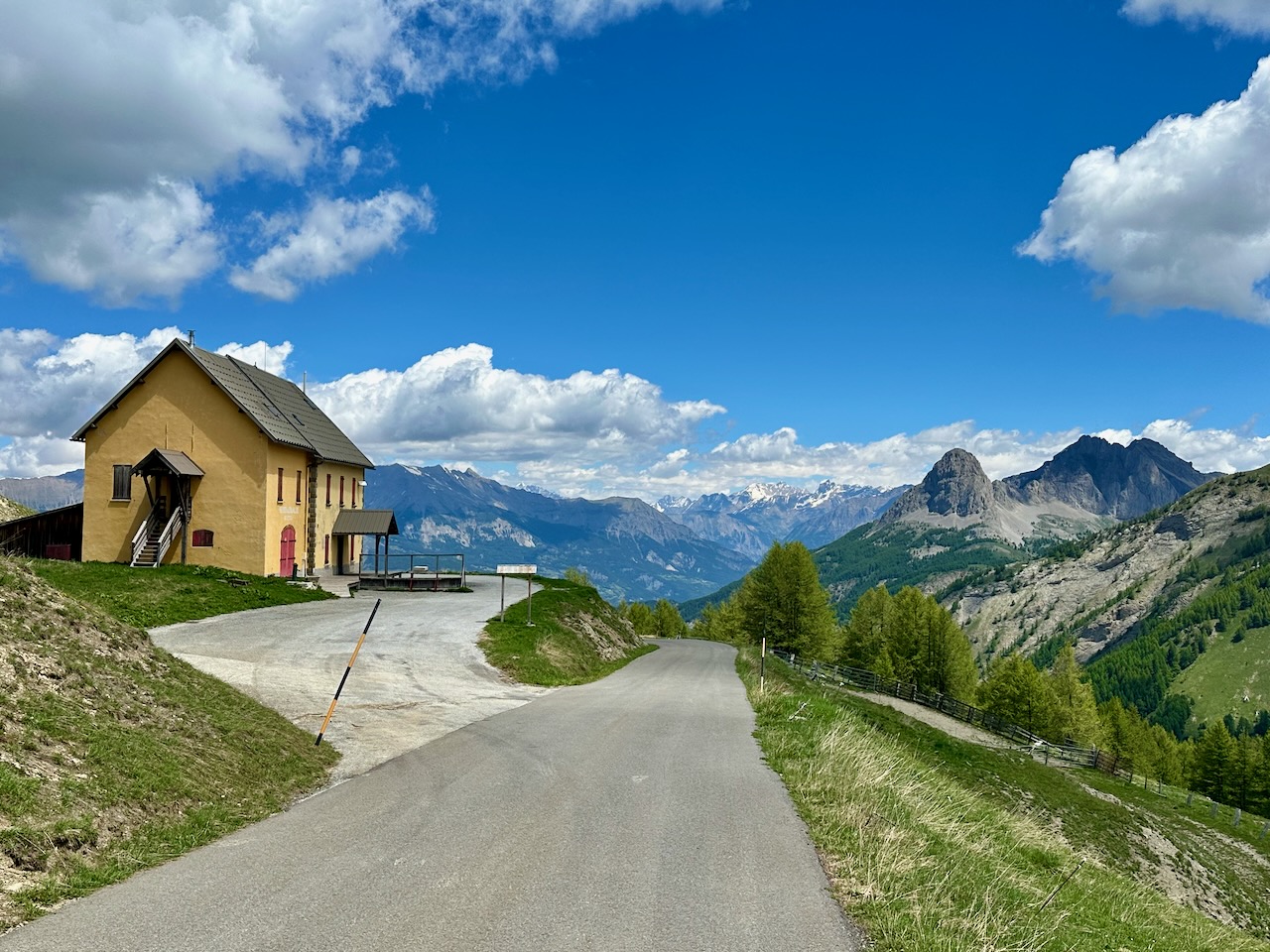
When the mountain pass is open, the snow melts from the road, the weather is inviting, the refugio is well stocked, and business conditions are set for capacity. If the environmental conditions alter, business at a mountain hut can cascade to zero quickly. A closed road due to a mudslide, a challenging patch of weather, or a larger event in the valley villages creates challenges.
Location can make us remarkable, but it can also leave us outside the circle of safety. Awareness dissipates when nobody can reach us. However, our setting attracts those seeking our attributes when the conditions are right.

If we place our work against the right backdrop, it amplifies our intended impact. The effect is diminished if we locate it against a background that overshadows or camouflages our work. As much as we concentrate on our output, we might give more weight to the setting.
Setting the right pace is essential to provide the best experience for those you serve. A shepherd can only push a flock of sheep so fast; speed shepherding is not sustainable.
How might we pace our efforts so those who want to travel with us can stay in touch?

Airport baggage carousels are interesting devices. A lot of infrastructure and space is dedicated to the luggage retrieval process. When many flights arrive simultaneously, each carousel operates at high capacity. Visit the baggage area between busy periods, and the design appears dated. If a courier delivers packages directly to my doorstep, why can an airline not reunite baggage and passengers in a more personalized manner?
When operations are at full capacity, questioning utilization and design is more demanding. Visit the same site during a slow period, and the respite provides more opportunities for reflection.
How might we embrace generative inquiry during our more relaxed moments and assess if we are trying to solve problems when full or empty?
How do you respond if somebody asks you to share your ‘future resume’? Do you have a mindset that spends as much time crafting a future resume as you spend on a resume that captures past achievements? This is the approach employed by the Savannah Bananas baseball team when they hire new team members.
What if you try this activity with your team. Take a few minutes to draft a future resume; it may be enlightening.
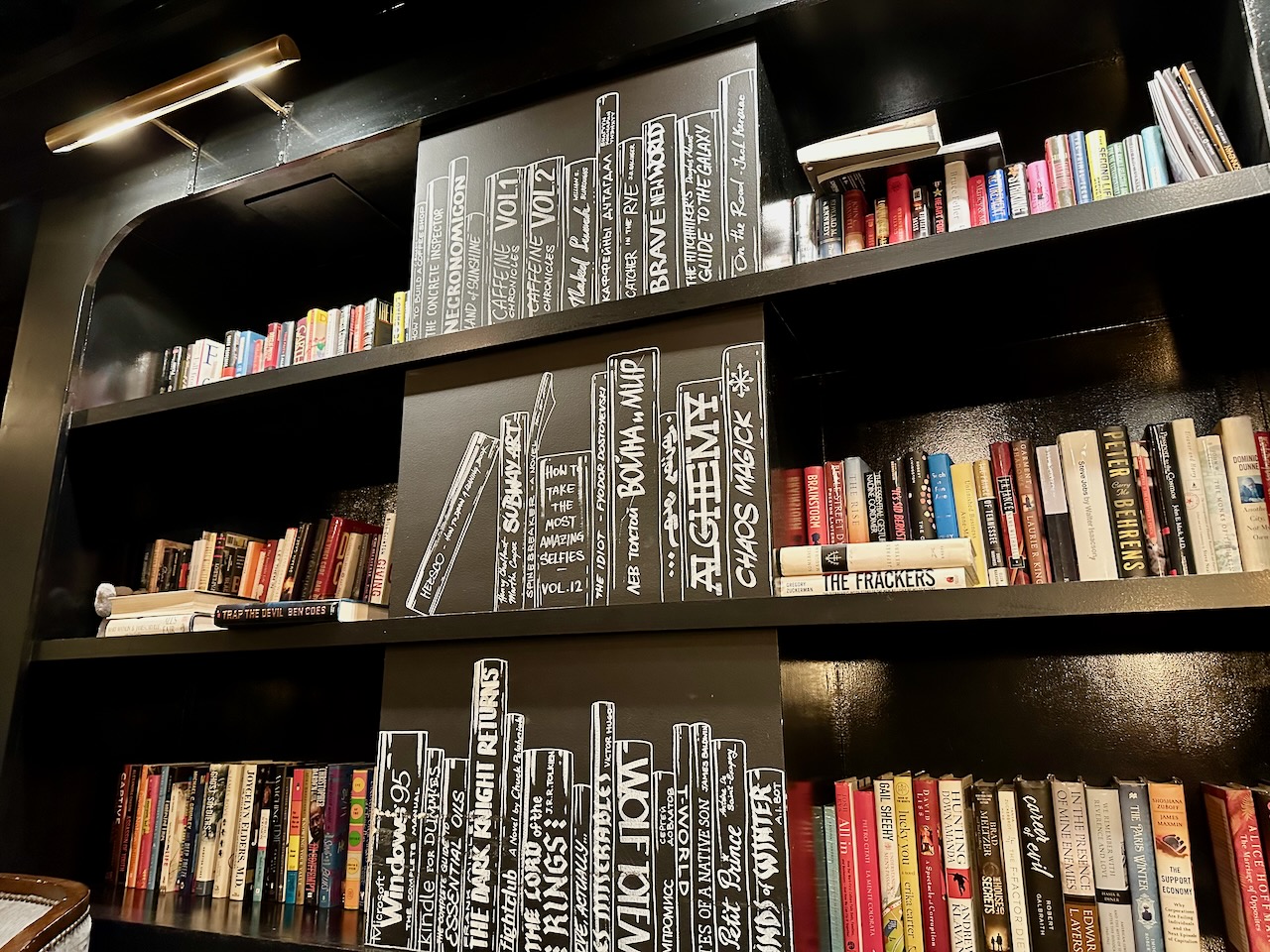
List the five essential rules to successfully merge into your team’s culture? What are the five most important documents/books a new member of your team should consult? Who are the five most important individuals a person should meet early in their tenure? What are the five most important stories about your cause they should know?
Looking for some inspiration, Vu Le has a refreshing look at seven post-pandemic rules the social sector should embrace.
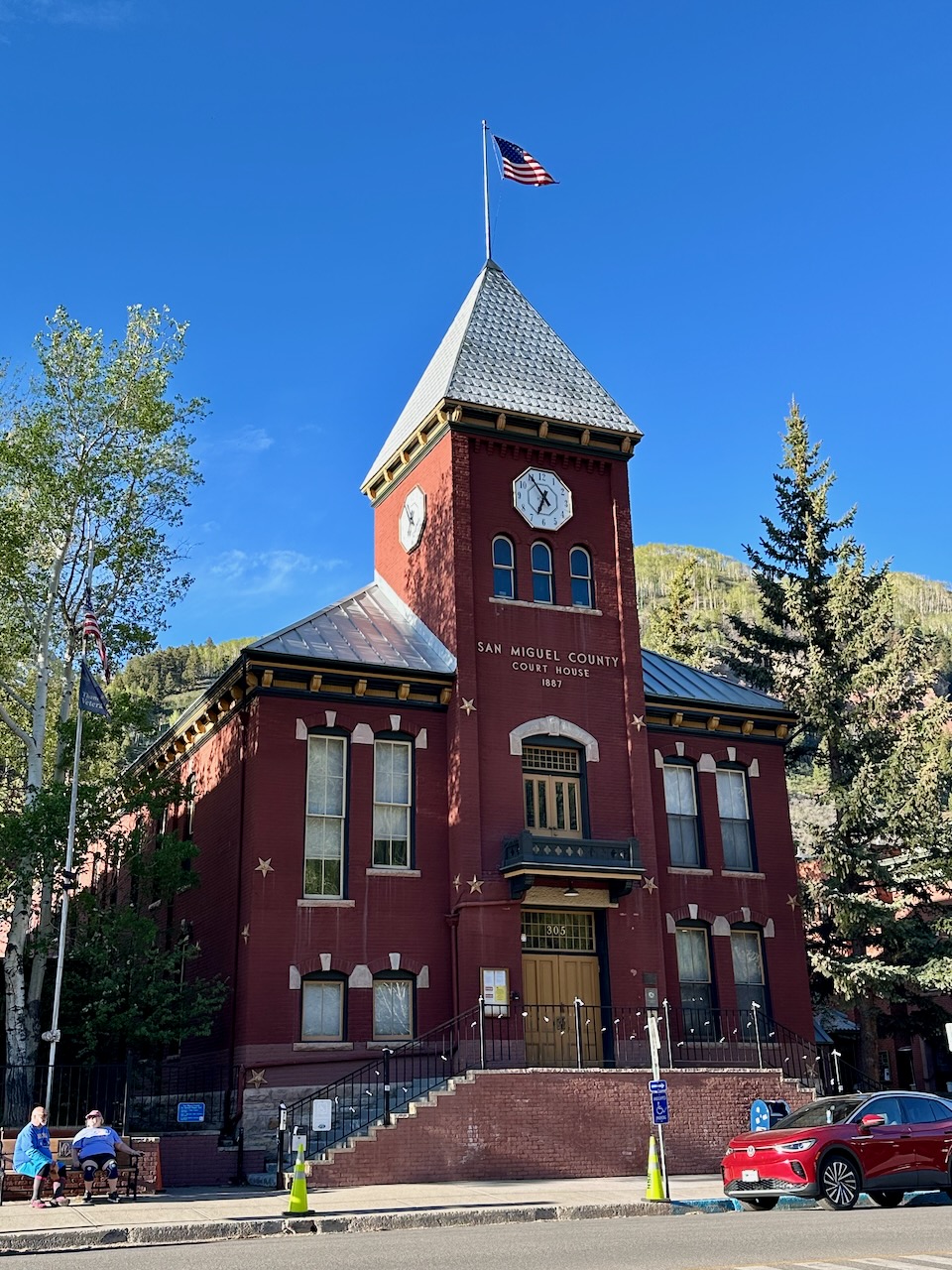
When they built the courthouse (San Miguel Courthouse, CO, pictured above), was it for the community or those who would hold power inside? What is our mindset when constructing something, holding a meeting, or starting a conversation? Seth Godin’s blog post double-clicks on the idea.
We have all been on the receiving end of a conversation that was positioned as an ask but clearly turned into a pitch. Are we able to build more trust and engagement when asked or pitched? How might we be authentic and intentional with our approach?

Sunsets are fleeting. We never know exactly when they will reach peak hues, and we cannot be certain we are in the ideal location to witness their grandeur.
How might we be present when witnessing a sunset and absorb the experience without stressing about the details? Sometimes it is best to stop our progress and mark the moment. We may only capture a portion of the event. Being flexible may be the most remarkable part of our viewing experience.

Waterfalls tend to attract attention. If reaching one requires navigating a hiking trail, many people use the waterfall as a turn-around point or a place to rest before continuing up the trail.
How might we position ourselves as a point of confluence with the surrounding environment? How might we evaluate our location as part of our strategic value proposition?
 What-if-concepts