Impact

Seen

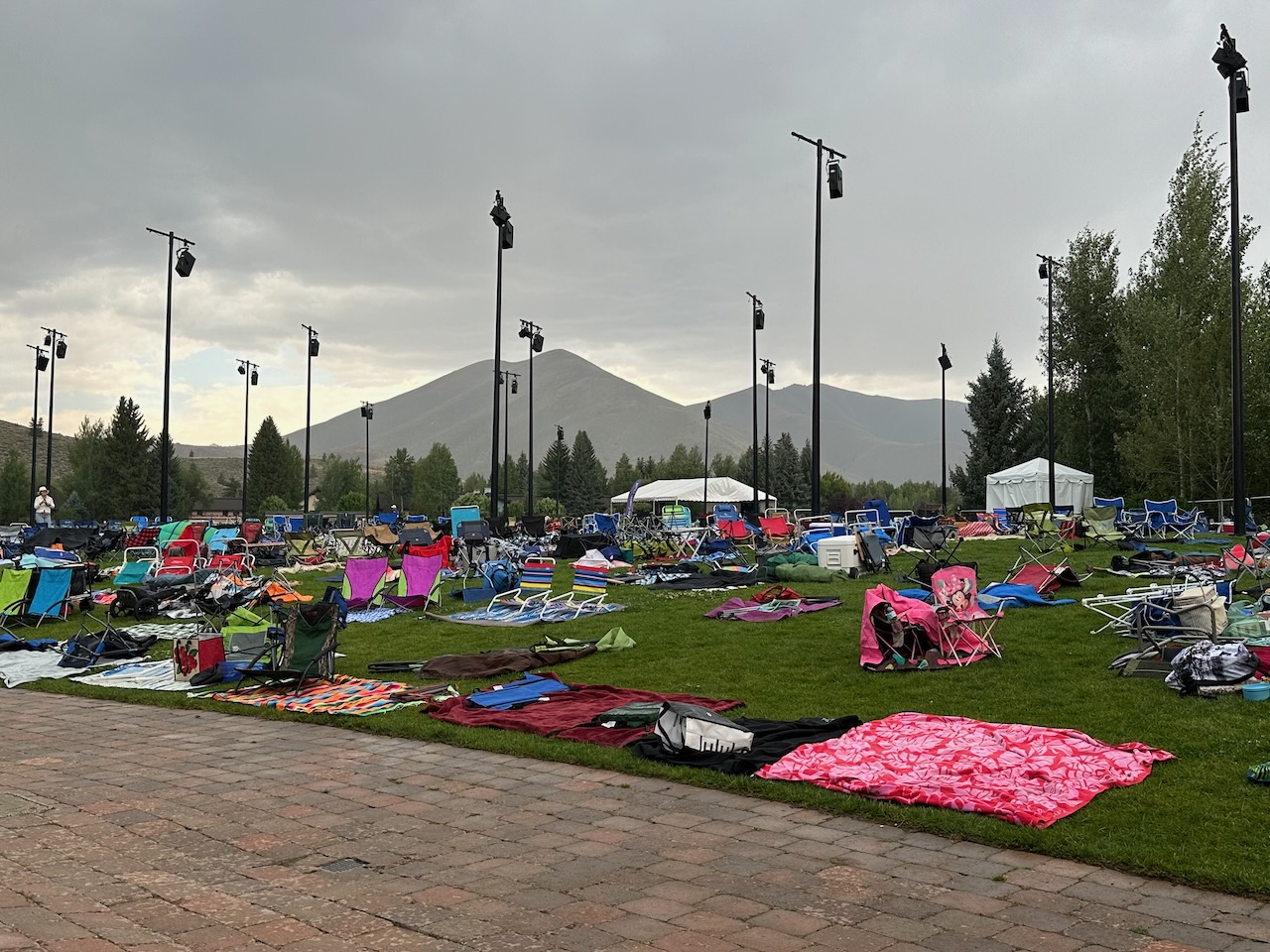
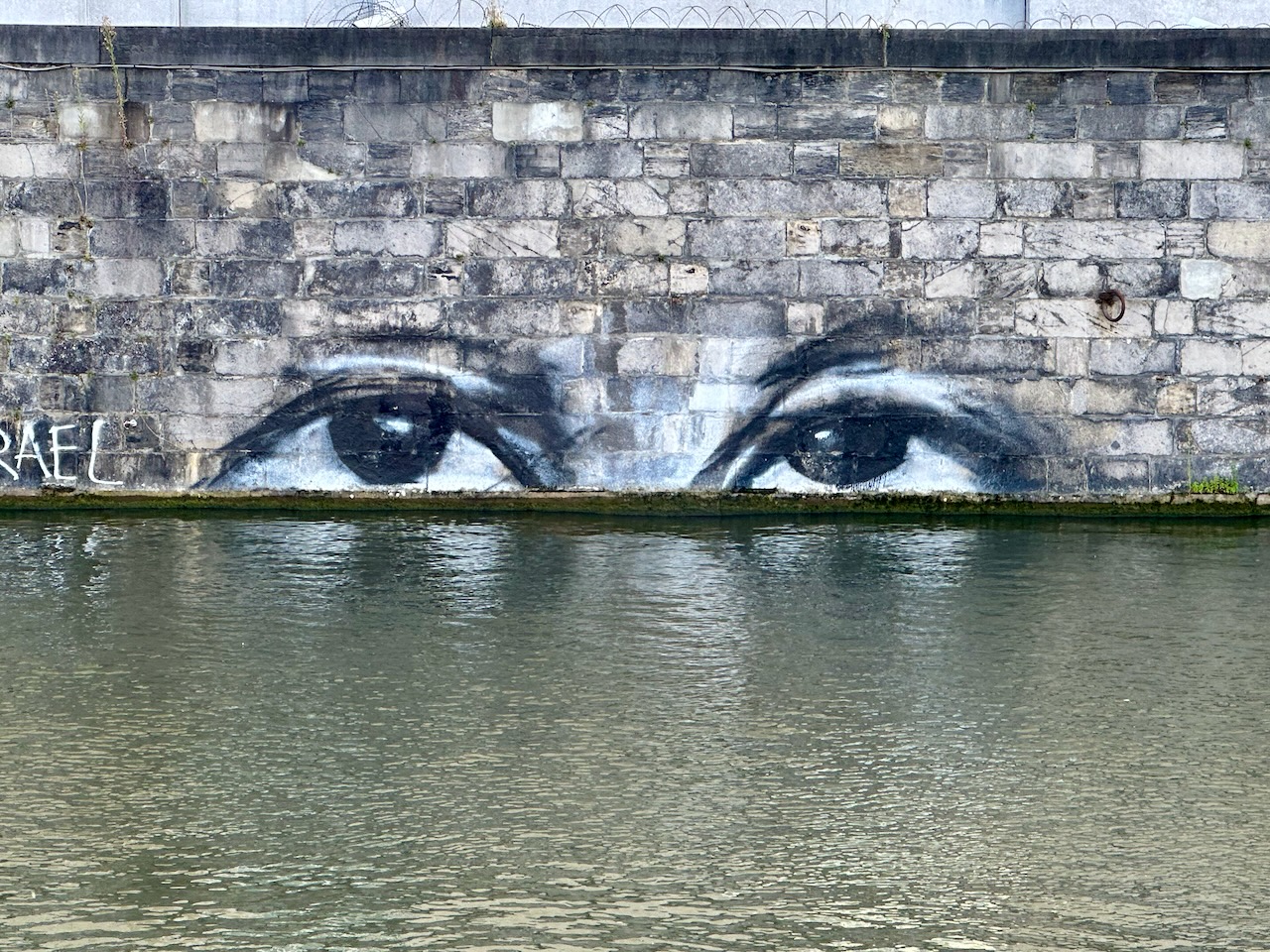
Are you seen?

Who do you see?

How do you process what you have witnessed? Does it inspire, does it distract, does it deter, does it confuse?

Most of us want to be seen by somebody who believes what we believe. We want the tribe to benefit from our work and inspire those on a similar journey. Being viewed is often enough to keep us committed to climbing our selected route.

Context

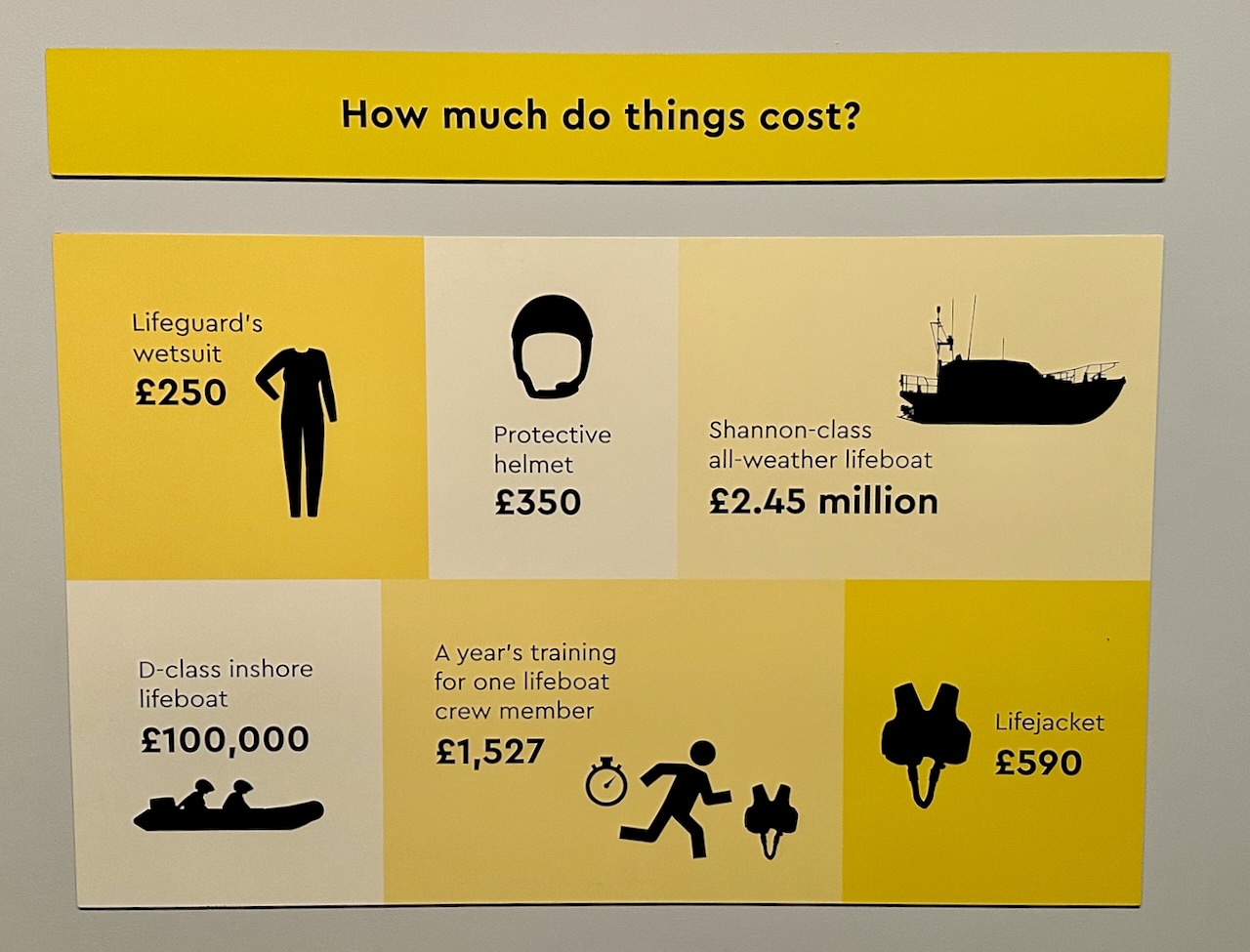
The Women of the RNLI Exhibit provides depth and dimension to the work of the Royal National Lifeboat Institution (RNLI) in the United Kingdom. Throughout the exhibit, the impact of the RNLI’s work is highlighted, especially the fact that the institution receives no government support and relies on philanthropy to fund its operations. Making the cost of operations visible is challenging, but when done well, it educates, engages, and calls us to action.

How might we make our work more visible?

Connecting Over History

Barbie: The Exhibition is currently on display at the London Design Museum. It is a retrospective of Barbie’s life from her invention in 1959 to the present day. One of the palpable parts of the experience is how many adults find themselves reliving their childhood as they walk between the galleries. Common refrains include,’ I had that Barbie, my friend had that outfit, we still have that Dream House.’ There is a combination of nostalgia and renaissance, aide by the return of Barbie to a greater social consciousness after the Barbie (2023) movie.

What history connects your fans with your enterprise. Is it a person, event, program, decision, structure, critical communication, disaster, or service? What focuses your fans on the events of the past?

Shadows

Is the above image an overexposed daytime shot or an underexposed nighttime photograph? When we are uncertain about the subject, it can frustrate us or increase our curiosity. If a full moon presents itself during a meteor shower, we probably miss the best viewing opportunities, but we might search for meteors visible on the periphery. If heavy clouds fill the evening sky, we might quickly give up hope of any viewing opportunities.

Shadows create opportunities to engage others more profoundly and create additional meaning. Or, they can isolate us and keep us from being visible to those searching for our services. How might we position ourselves so shadows add depth and dimension but do not obfuscate our work?

Escalation

individuals outside a bar, or NHL players after a cheap shot. We see more people drawn to the event, making it harder for the parties to disengage and defuse the situation.  

There are positive forms of escalation, ones aligned with being a force for good. We might join the effort if we witness people taking action to benefit our community. Last weekend, the White Line’s Ride for Magnus took place in Boulder, CO. Thousands participated to remember Magnus White, a promising young cyclist who was struck and killed by an automobile while training. From Magnus’ memory comes the opportunity to escalate a cause and create a safer future and environment for cyclists and the community.

How might we escalate the work that matters? How might we de-escalate events and ideas that lead to adverse outcomes? How might we be a force for good, focused on being of service to others?

Pay In Route

In my youth, the airline shuttle between Washington DC-NYC-Boston would load passengers right up to the moment of departure, usually on the hour. The moment the aircraft door closed, taxi and take-off followed immediately. Flight attendants rolled carts through the aisle and secured payment for the flight, ran credit cards on an imprinter machine, and provided carbon copy receipts. The duration of the flight was short, and the crew hustled to complete all the transactions during a full flight. The plane landed, and everyone disembarked and headed toward their destination. This model has evaporated in favor of pre-payments and cancellation penalties.

Much of our travel is based on upfront payments. Airlines get paid up to 330 days or more in advance for future tickets. There is a psychological aspect to paying beforehand; it represents a form of investment in a future event. When we match this experience with the social sector and donor contributions, most are positioned as investing in the organization’s future. Few campaigns lead with, ‘Help us pay the pile of invoices on our desk.’ It is more hopeful to supply resources for a future endeavor than assisting with debt collection (although the pandemic created a temporary exception).

How might we find our niche when asking for fuel to support our journey? Do our supporters prefer helping us move forward, or do they understand the costs incurred to arrive at our current location?
Risk Management

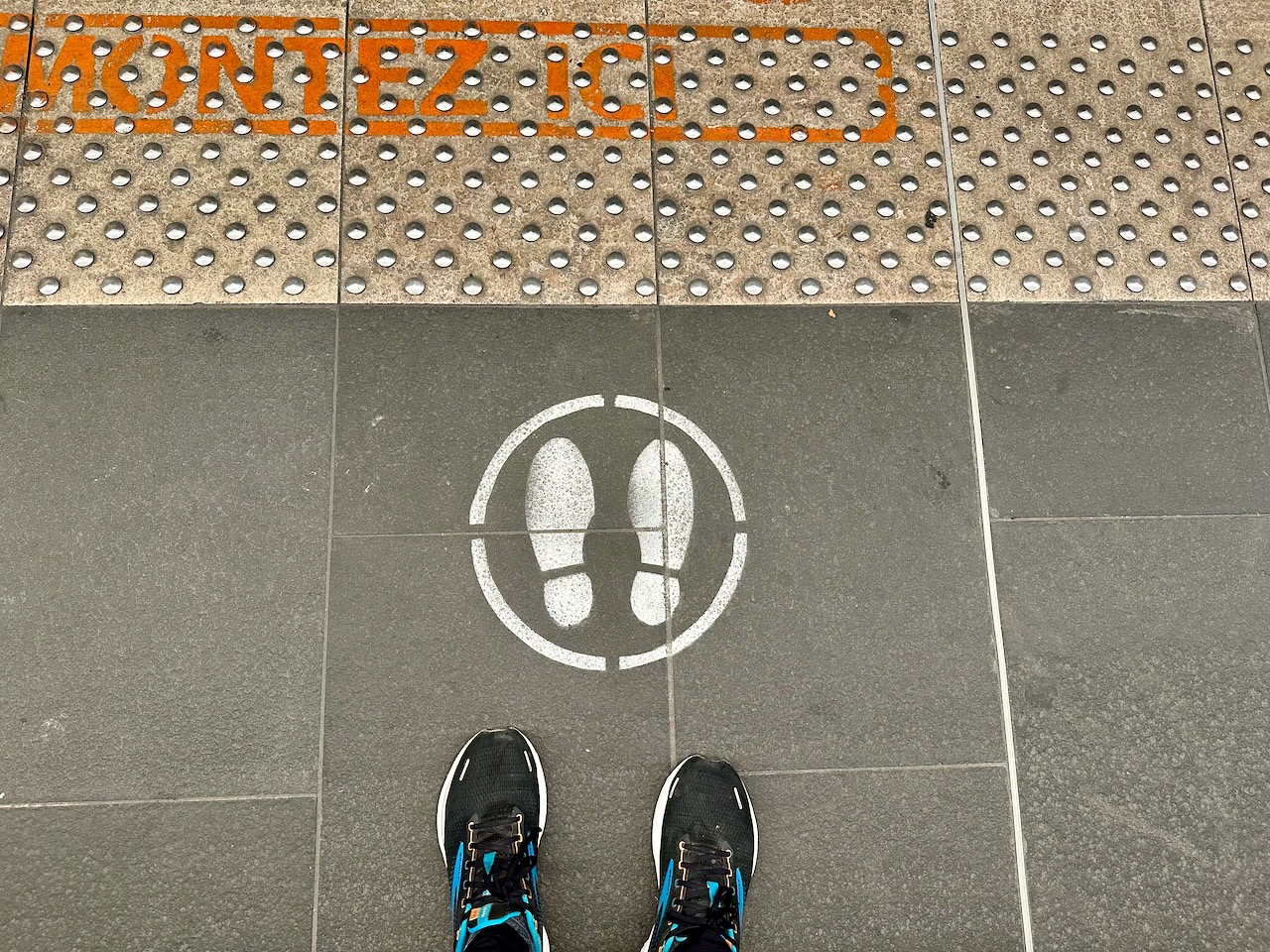
If we care about the well-being of those we serve, we might need to make difficult decisions on our fans’ behalf. This might require canceling our signature event. Despite all the planning and costs, risk management considerations are prioritized over the financial or reputational damage. In the fire service, a Safety Officer was positioned at the Command Center during large incidents and could cease any operations they deemed dangerous to the well-being of the responders.

How might we balance delivering our mission while preserving the health and welfare of our community?

Heckling Statues

Is heckling a statue worth the effort? What is gained by directing our grievances towards an inanimate object? Is the statue an iconic representation of a person or movement that is the nexus for exchanging points of view? Are there other ways to share our message with individuals who might contribute a response?

How might we amplify our message? Are you finding the best stage from which to deliver our viewpoint?

Yes or No Photo

Almost all the blog posts on the What-if-Concepts website contain a photo, and with rare exceptions, the photos are original. I often wonder if the photos add to or subtract from the content. I like to believe they add depth and dimension to the text that follows.

How might we understand the impact of our work, both the elements and the finished product? How might we engage our audience to discover what needs to be amplified and what distracts? And, how might we, as the artist, author, and curator, preserve our integrity, regardless of what the data suggests?

VIPs

What do your VIPs experience that eludes your general members? It is reported that Elon Musk had a small group of employees annotating data from his Tesla automobile to ensure self-driving mode worked most effectively. His data received special attention to maximize performance. This level of service was not available to the average Tesla owner. Elon’s driving experience is different than all other Tesla owners, unless they drive the same routes he uses with his Tesla.

What VIP services might conflate the experience the general member receives? How might we assess the service we provide to all our customers, not just those who have the special phone number and secret doors into our enterprise?

How might we monitor the experience of all our fans? How might we not focus solely on the VIPs who have secret phone numbers and private entrance privileges? If our organization’s stated values and actions diverge when it comes to our most important members, perhaps we need to have a generative conversation about our priorities.