A YouTube channel (The Making of ____ Was A Sh*t Show) highlights iconic movies and the lesser-known details behind each film’s production. The primary focus is on the movie’s obstacles and challenges it overcame. Many films made it to the silver screen despite all the odds stacked against them.
It reminds us that some of our best work encounters more obstacles than our less impactful efforts. A Tour de France cyclist can ride considerable kilometers of training on flat roads, but they will not be prepared for the race if they forego training in the mountains. We must venture into challenging terrain to fully develop a project’s potential. Getting lost, scraped up, and uncomfortable creates the stories we remember and tell afterward.
What stories were handed down that supported your work/service at your cause? Which narratives limit your effectiveness?
Multiple new board members have joined a cause and stated they would take the first three or four meetings to get oriented and up to speed before adding their wisdom. How has this mindset impacted the organization? What does this say about the orientation process? What vital contributions are lost during this acclimatization phase?
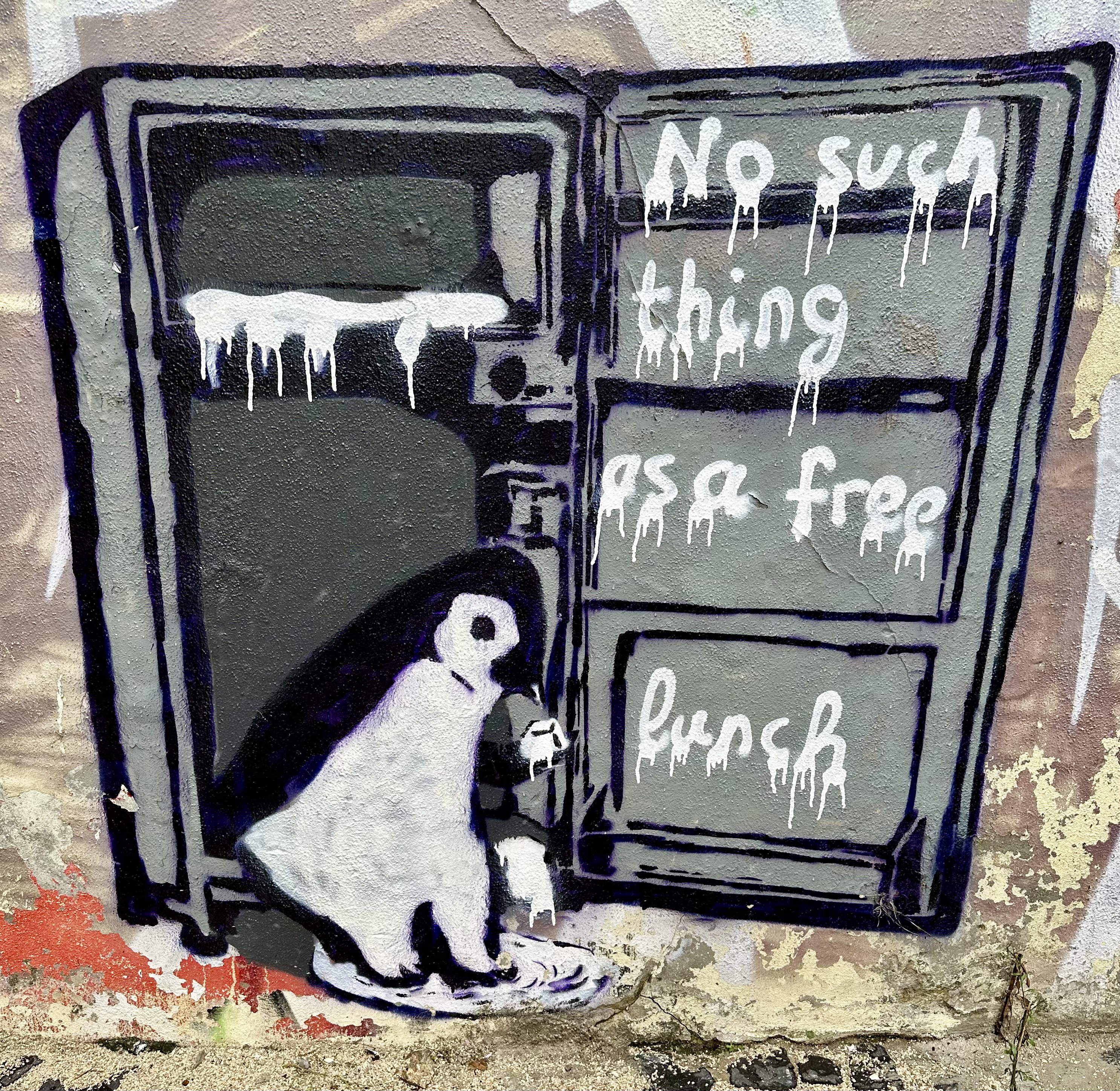
How has service on boards with a give-or-get policy (raise or personal donate x number of dollars) impacted the team’s mindset? If your primary focus stays on achieving your quota, what opportunities are missed? What is gained? Budgeting contributed income is easier if everyone is responsible for a percentage. The policy might eliminate potential board members who do not have financial resources or access to networks with wealth.
Designating appropriate resources, such as salary for staff, technology investments, and taking a political stand are considered inappropriate in some social sector factions. What stories do you encounter when explain why your enterprise invests so much/so little in staff compensations. What barriers/opportunities are evident when upgrading software? When was the last time your cause met with local legislators to share your legislative agenda? If we see compensation, resource investments, and lobbying as inappropriate for the sector, then what does that say about our help wanted sign? What does that suggest about how committed we are to reach our vision?
Stories may retain essential clues to how we prioritize our approach. How might we pay attention to which ones get the spotlight within our organization?
What is the difference between abandoned and well-used? It isn’t easy to decipher if an object represents a previous generation’s work or a real-time activity. If we embrace an empathetic mindset towards the end-user we serve, we might help orient those who encounter our work. Abandoned and well-used tokens both have stories; the question is how we provide context for the narrative.
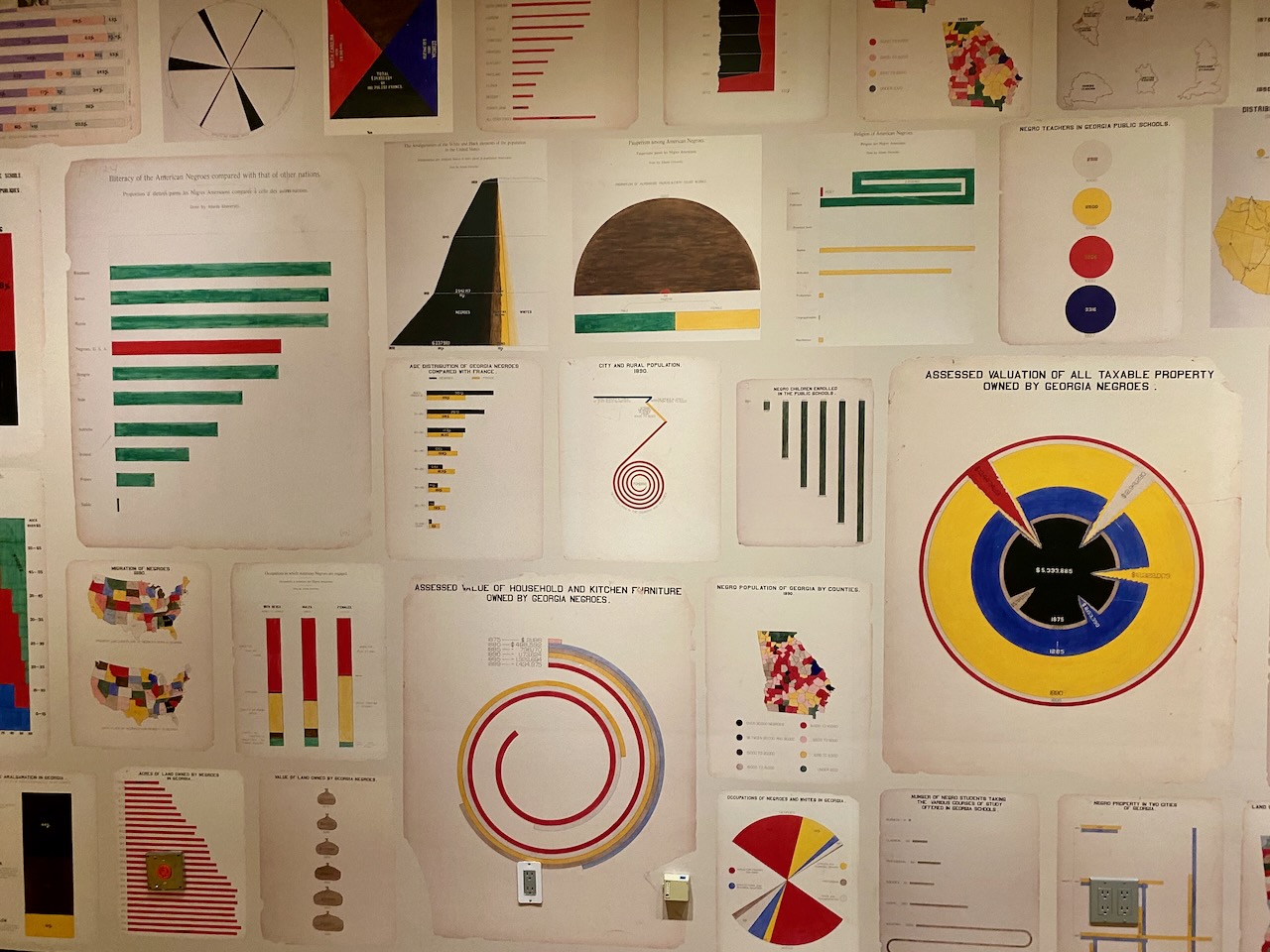
Without context, pie charts, bar graphs, scatterplots, histograms, and gauge charts are more like artwork than representative of data that informs their creation. The challenge to us is to present the graphs with accessible context. There is a story within each, an opportunity to take the viewer on a journey. How might we employ graphs to support our efforts and avoid confusing those looking for meaning?
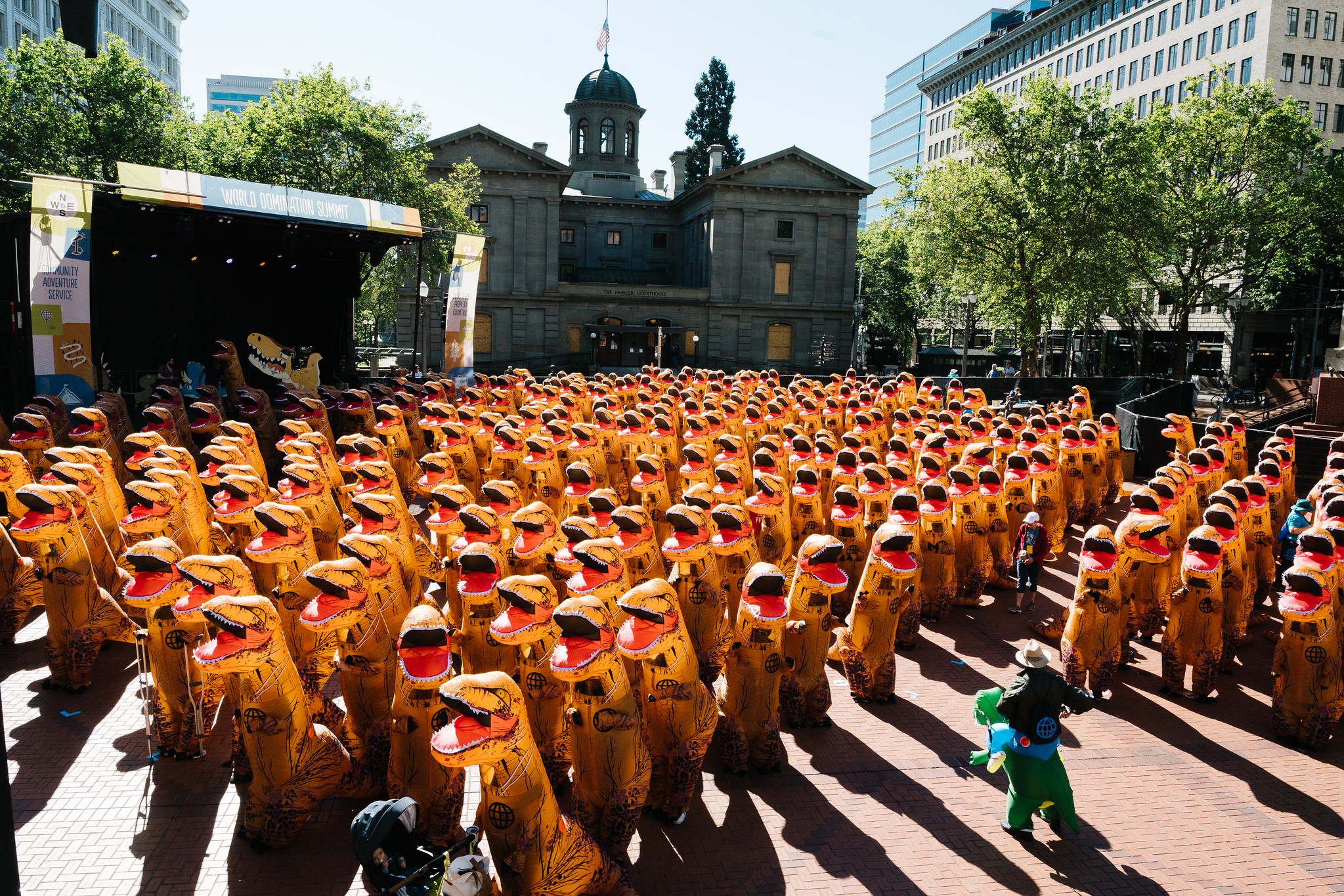
Imagine announcing ‘this is a wrap’ to a sold-out, best-in-class gathering that consistently improved over ten versions (thirteen years due to pandemic disruptions). An event attended by super fans, individuals so inspired they broke numerous world records for fun, including this year’s iteration with the most individuals dressed in T-Rex costumes.
When we build something magical, authentic, memorable, and one of a kind, we might consider adopting a river mindset. We are visitors to the confluence point between individuals and events. The main channel moves forward at some point, and the merge is complete. We cannot stay forever at this liminal boundary where two things combine, but we might capture the spirit and retell the stories. These imprints will serve us well as we encounter what is around the bend as we navigate the next section of the canyon.
As Barry Lopez reminded us, “Everything is held together with stories. That is all that is holding us together, stories and compassion.”
Thank you, World Domination Summit, for a transformational journey and living the values of community, adventure, and service. It was remarkable and shall live on.
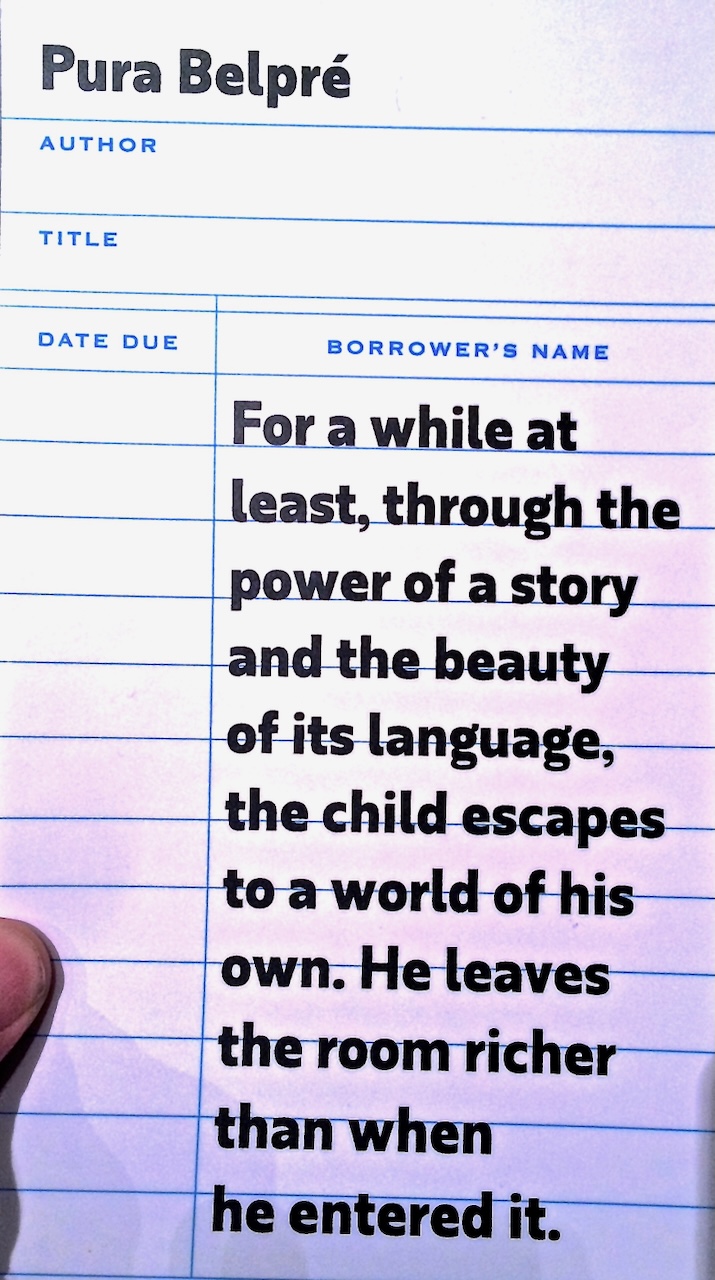
It is convenient to believe that the money our cause raises, the facilities we build, the programs we nurture, and the brand we build are the core of our cause’s work. However, none of these elements can tell our story. They are the results of our work. The people who inhabit these space, donate resources, attend the programs, and ride for the brand are the story-tellers. They represent the conduit through which our narrative transfers from one individual to the next.
The bib I wore during a nordic ski race and the medal that might come with an age-group award are just ordiments. They alone do not have much depth, possibly props in my story. I can hold them-up to talk about the fierce cold and headwinds that faced the race participants. I can point to them and describe the pack of skiers who worked together to battle the elements. I can hang them on the wall and they remind me of an adventure, but they do not tell the story.
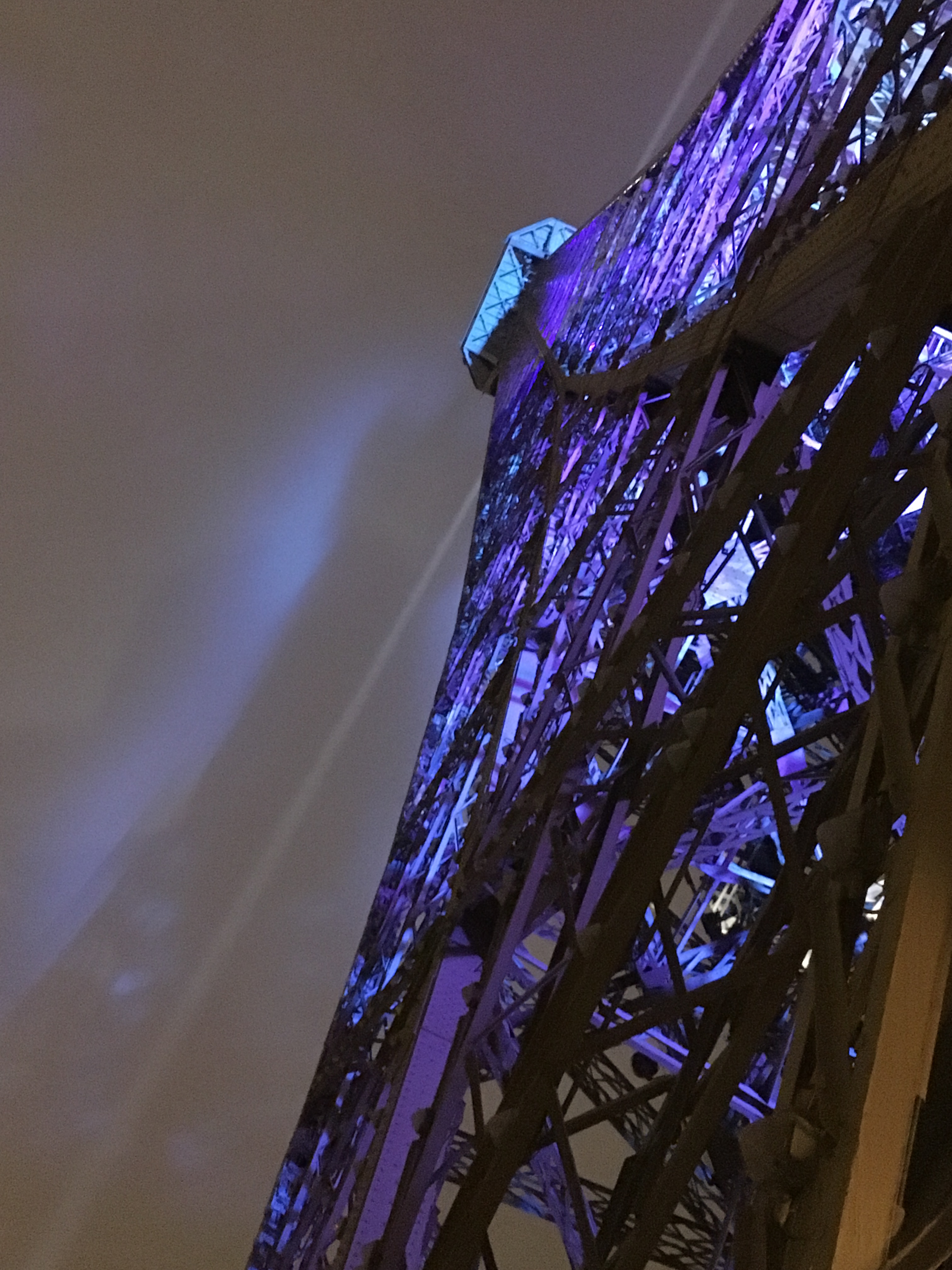
Our travel photos capture a moment in time but are exponentially more powerful when they support the story. Was our Eiffel Tower photo taken during a romantic walk, evening run, from a train crossing the Seine, or just a screenshot? The photo might be memorable but the story provides a greater dimension.
We must get comfortable elevating our stories. Unless we can compete on scale and overwhelm our fans with endless offerings, our narratives will be our strongest point of engagement. If we agree to amplify our stories, then how might we generate human-centered strategies to support our community? How might we be remarkable for the behaviors and experiences we curate?
My story works because of the characters who inhabit its narrative. An amazing wife, two remarkable children, transformative parents, friends to share wondrous adventures, inspirational mentors, and antagonist who challenge me to think differently.
There are chapters in which the days are sun-drenched, breeze at my back, and I appear to be the first person to encounter this corner of the world.
Then the route closes. The way I travel everyday shuts down abruptly. I must detour. It feels daunting, uncertain, and does not come easy.
Or the conditions are not as advertised in the brochure. My expectations derail. Hope must somehow rise above despair. Finding safety versus pressing-on narrates each step.
However, the opportunity this moment is to take flight. To spring forth with ideas and beliefs and share them. To make visible that which is unseen.
Thank you for being a character in my story. You allow the story to work and together we narrate that which was invisible by contributing a verse.
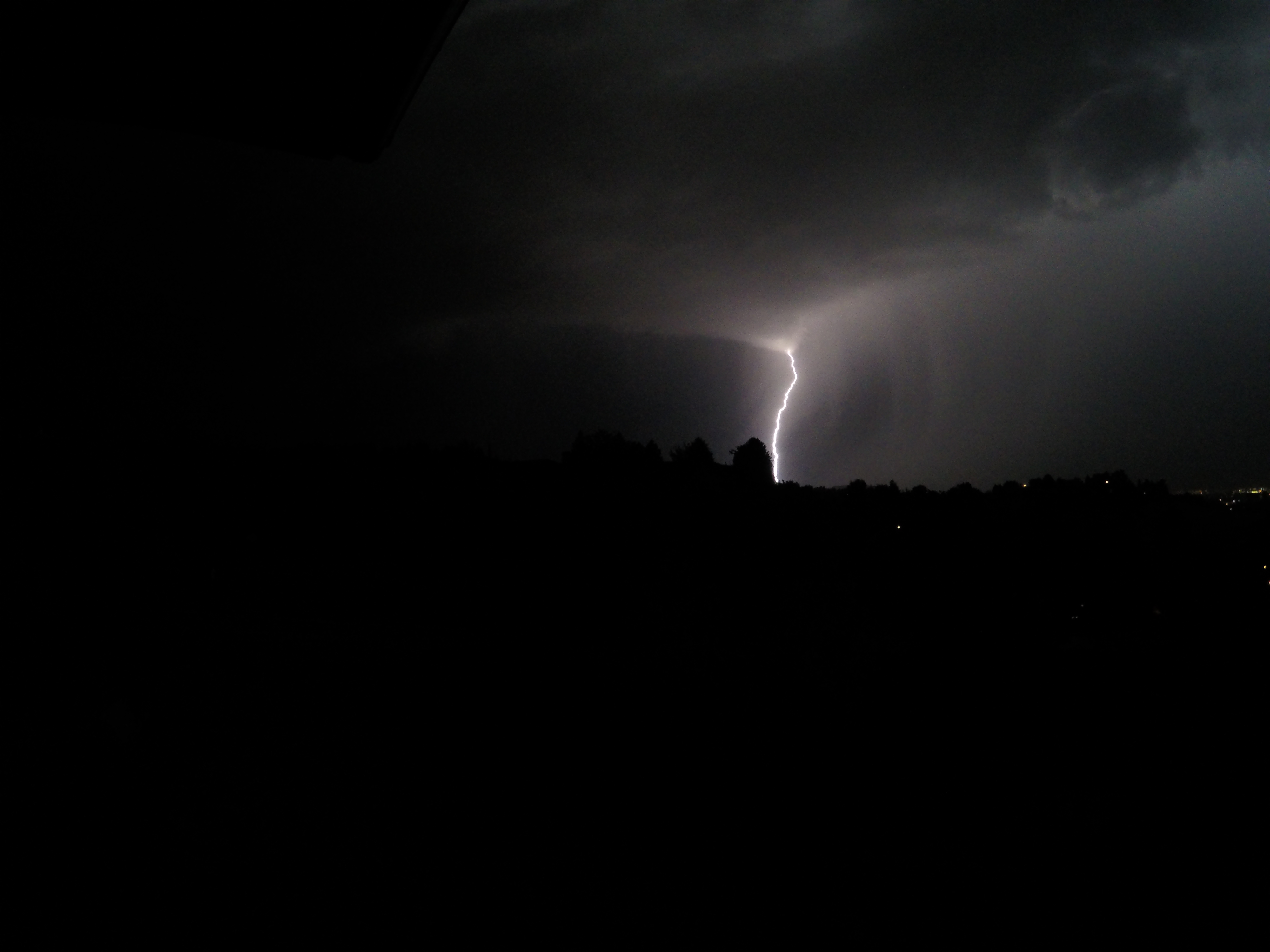
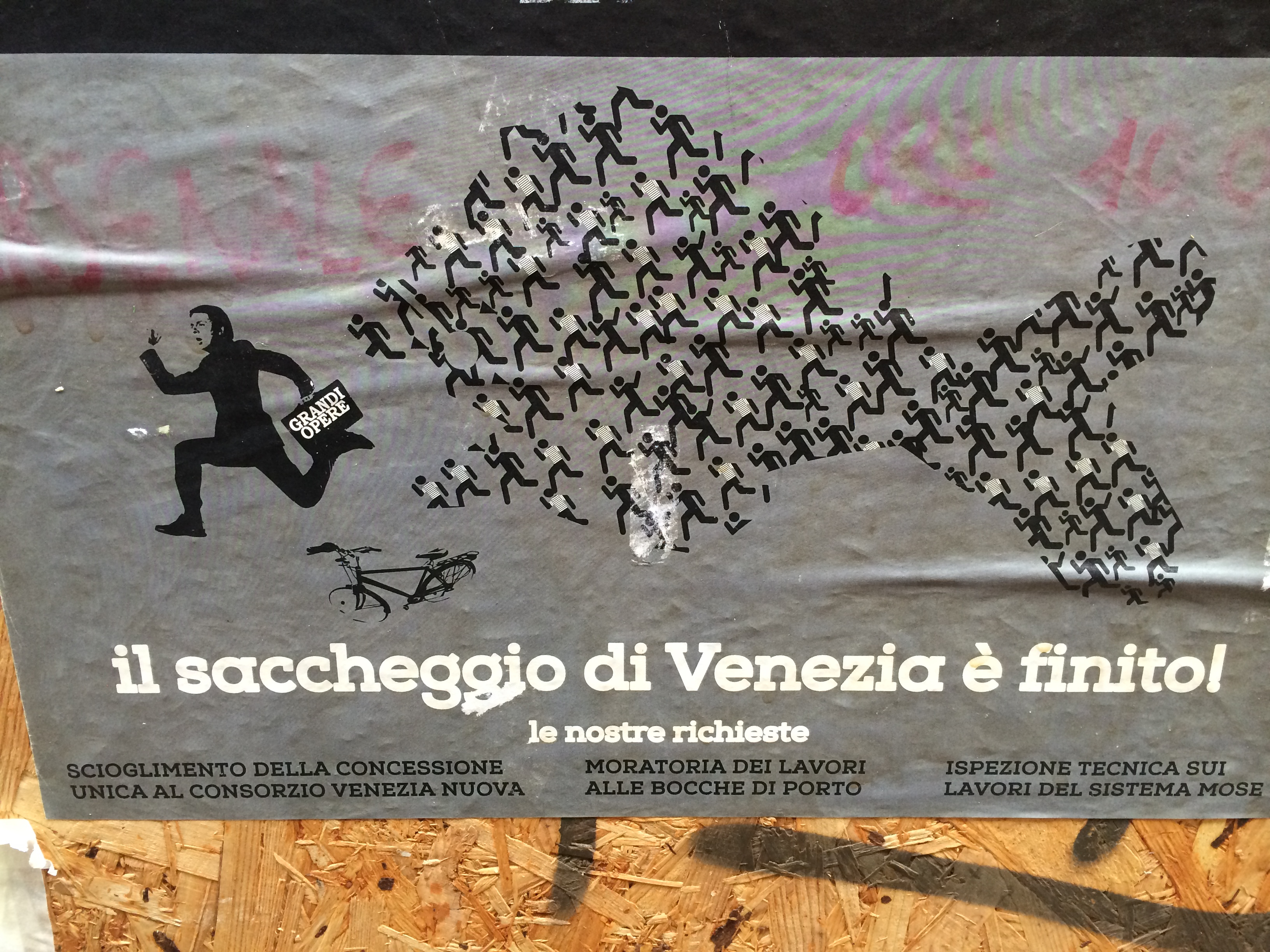
If our worldview is informed by a conglomeration of past experiences, assumptions, and values then what images sit between us and reality? How does our projection of the world differ from those with their own set of slides? What stories manifest themselves?









 What-if-concepts