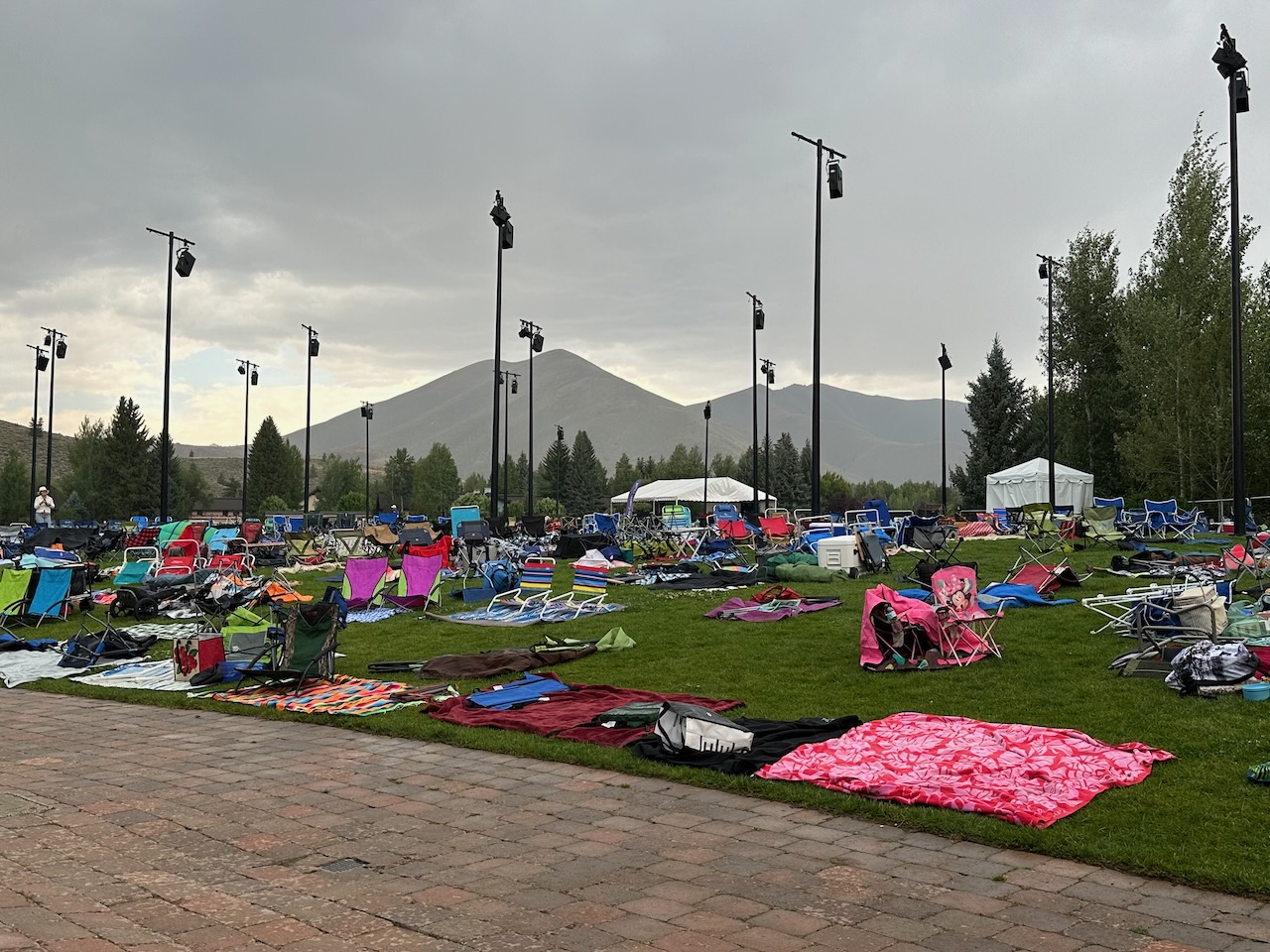
Fans

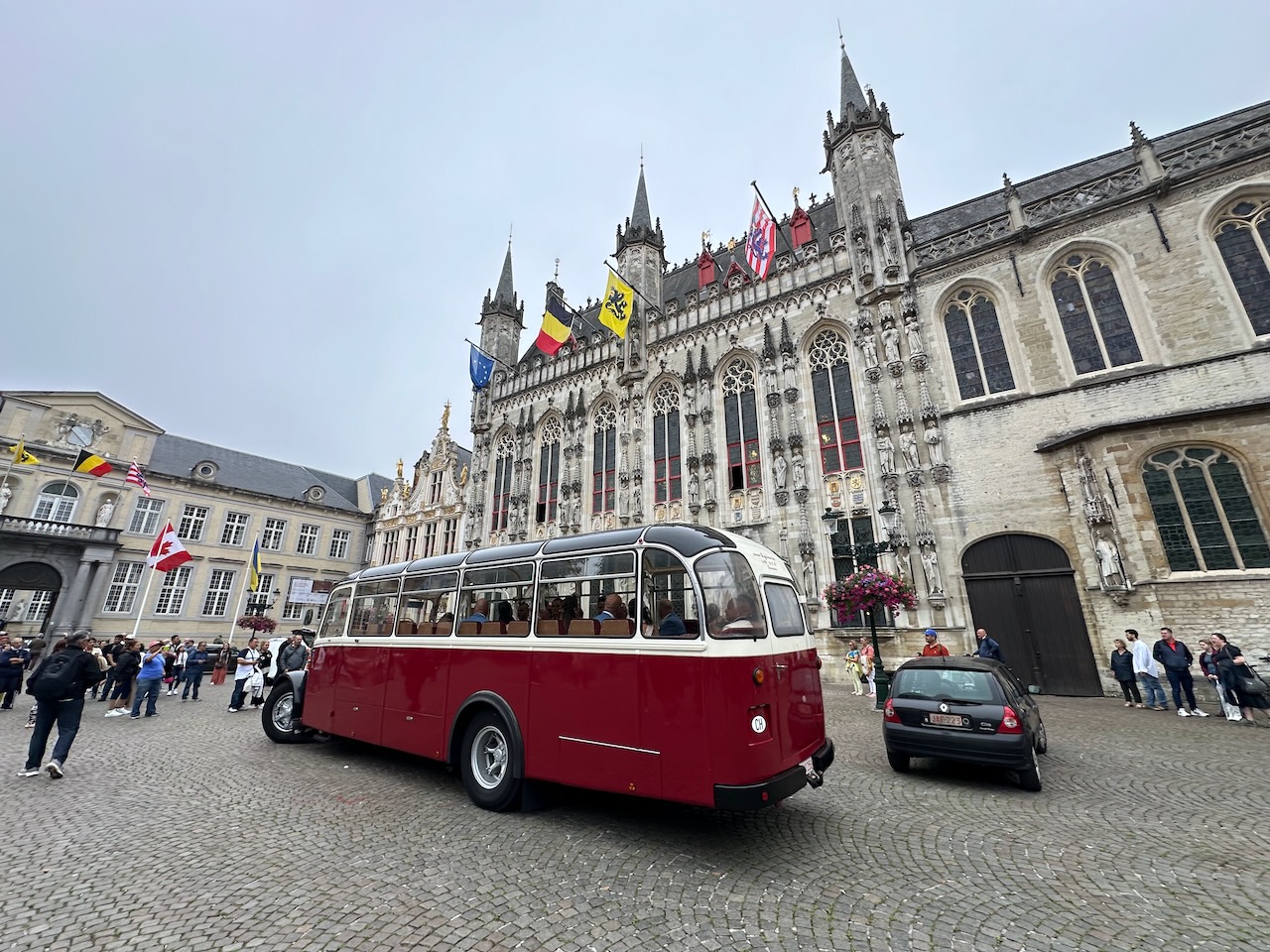
Sightseeing

When you take your fans on a sightseeing tour of your work, how does it stand out? Are you able to provide ‘behind the scenes’ experiences? Do you curate a remarkable event? Are you able to tour them in a unique manner? Do you have a secret door that gets opened? A surprise guest? A token of appreciation that is customized?

It does not take a lot to make an experience stand out. It is best when it adds meaning to our fan experience.

You Are Seen

A relative’s daughter transferred to a new High School this year. She is joining as ‘the new student,’ trying to navigate the complexities of teenage networks. After her first day, friends from her previous High School texted her to ask how the day had gone and about her experience. To me, this is the best of humanity, looking out for others as we aspire to be forces for good.

A recurring question from social sector organizations is, ‘Why have a strategic plan?’ Their typical barriers list include time, resources, frustration with the process, lack of engagement, failure of past plans, etc. I respond with counter-points and shifting mindset possibilities. However, I changed my focus the other day, advocating that these plans are for those we serve. They represent a hat tip, a shout-out, and an ‘I see you’ text to our community. It is a promise that we value their presence, and here are our best ideas to serve each of them. It is an opportunity to offer a point of confluence, a shared journey forward, but it only works if they have a seat in the boat to help us paddle around the next bend.

What if your next plan adopted the perspective of a shout-out to those you serve, reminding them of the miles traveled together and the opportunity to craft a narrative for what will come? What if it is as simple as texting your fans, ‘We see you. Thank you for being with us. Will you join us as we strive onwards?’
Selling to Accountants or Drivers

If we sell a car to an accountant, we might focus on the vehicle’s efficiency, cost per mile to operate, and return on investment. If we sell the car to a driving enthusiast, it may be better to concentrate on the driver experience, emotions of sitting in the car, and the story the driver can tell.

When we talk about our work with others, we do not need to sell to ourselves. Rather, it represents an opportunity to share a narrative with the audience that provides them with a chance to engage with the work. How might we find points of confluence that combine the listener’s story with our work? The authentic merging of two narratives allows another player to join the quest.

Pay In Route

In my youth, the airline shuttle between Washington DC-NYC-Boston would load passengers right up to the moment of departure, usually on the hour. The moment the aircraft door closed, taxi and take-off followed immediately. Flight attendants rolled carts through the aisle and secured payment for the flight, ran credit cards on an imprinter machine, and provided carbon copy receipts. The duration of the flight was short, and the crew hustled to complete all the transactions during a full flight. The plane landed, and everyone disembarked and headed toward their destination. This model has evaporated in favor of pre-payments and cancellation penalties.

Much of our travel is based on upfront payments. Airlines get paid up to 330 days or more in advance for future tickets. There is a psychological aspect to paying beforehand; it represents a form of investment in a future event. When we match this experience with the social sector and donor contributions, most are positioned as investing in the organization’s future. Few campaigns lead with, ‘Help us pay the pile of invoices on our desk.’ It is more hopeful to supply resources for a future endeavor than assisting with debt collection (although the pandemic created a temporary exception).

How might we find our niche when asking for fuel to support our journey? Do our supporters prefer helping us move forward, or do they understand the costs incurred to arrive at our current location?

Risk Management

If we care about the well-being of those we serve, we might need to make difficult decisions on our fans’ behalf. This might require canceling our signature event. Despite all the planning and costs, risk management considerations are prioritized over the financial or reputational damage. In the fire service, a Safety Officer was positioned at the Command Center during large incidents and could cease any operations they deemed dangerous to the well-being of the responders.

How might we balance delivering our mission while preserving the health and welfare of our community?

Ambitious Plans

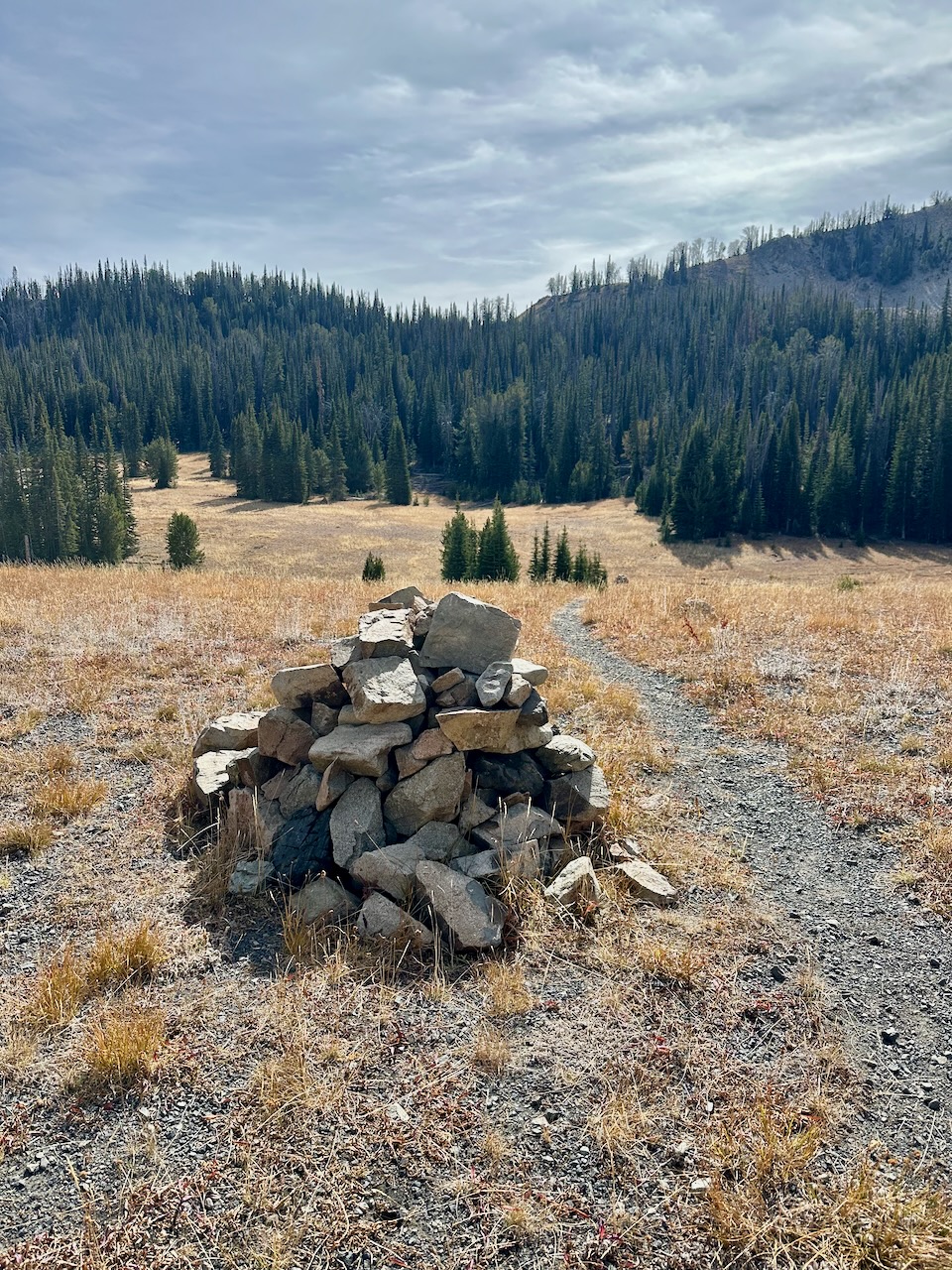
There are ambitious goals, and then there are plans that overcome our comprehension. If I told you I was going to thru-hike the Continental Divide Trail (Mexico to Canada), you might be able to fathom that feat. If you happen to live trail adjacent, you might even offer to assist me with food, a shower, or a place to stay. If I told you I was going to circumnavigate the globe on foot five times and I planned to walk past your house in five years, you might offer assistance but you may also kindly suggest we talk when the time gets closer. We can support what we can comprehend, but if overwhelmed, we do not know where to start.

The plans we share with our fans might be best if they are ambitious and daunting but relevant enough that our fans can find a point of confluence.

Way Too Early

A favored way sports leagues retain attention immediately after a championship event is to post a pre-season ranking for the coming season. Often titled ‘A Way Too Early Ranking,’ it attempts to retain engagement with fans. By giving hope to all those fans seeking a reset after disappointment or delighting those building on their success, the poll encourages people to start dreaming and planning for next season.

How might we find a balance between engagement and a reset? When do we allow our fans to recalibrate? When do we need to amplify their connection with our cause?

Naming

What mindset goes into naming a ski run, honoring historical figures, illuminating regional reference points, identifying wildlife, and/or highlighting geographic terrain? The norm is to make the name memorable and calibrated to the challenge. Resort ski areas tend to avoid naming their green/beginner ski runs “Death Waits for Nobody!” However, ski a new line in a backcountry couloir, and the expectation is to represent the line with an appropriate name. “Ride the Lightning” or “Terminal Cancer” are on point for adrenaline-seeking skiers/boarders.

What names are you bestowing on cornerstones of your cause? Which ones are calibrated to the audience? Which are for the fans on the periphery?