When you have a generative idea, who do you call? Who is the person/people who will engage in sense-making? What has worked in the past? What would you change?
Innovative Concepts
Gratitude
Over Time, Data, and Reality

“You just have to look at the data over history to understand that nothing is changing regarding global warming.” Then, my seatmate shared a graph on their iPad. A quick Google search revealed that the image was considered one of the most misrepresented global temperature graphics from 2015 (note the Y axis ranges from -10 to 110 degrees F). A quick Google search revealed a different version.

This is not a debate over global warming trends or historical temperature fluctuations. It is a reminder that presented data can lack fidelity and immediately generate an emotional response. We feel shame or inadequacy that we did not know such a central fact when, in reality, the fact is not really what it appears.
How might we remain curious despite the headlines we encounter? How might we read more, ask better questions, and seek other resources before reaching our own conclusions? Other people may have traveled the same route, but their experience does not mean that we have to serve as their proxy.
Gates of Trust
What Won’t You Do?
What is the line you will not cross? Is it supported by your values? Is it hypothetical, or has it been tested in real-time? Why won’t you proceed if pushed?
Knowing your boundaries reduces anxiety. If our line includes a fear of heights, it helps us avoid selecting routes to the summit that require ascending via a cable while hanging over 1,500 feet of cliff face.
Cowboy Songs
Cowboy songs are easier to sing when out on the trail while riding one’s favorite horse. They are more challenging to belt out when sitting in a corporate board room while wearing a suit.
A sense of place impacts our mindset and effectiveness.
Ask a team to engage in a brainstorming session or blue sky thinking after everyone has spent sixty minutes going line for line through a proposed budget, and the results might be less than remarkable. Going offsite and walking in the woods before gathering in a comfortable place to think generatively may be a more productive course of action.
How might we set ourselves up for success by putting ourselves in better locations?
Tent Poles
What are your organization’s tent poles, the critical structural supports that allow your enterprise to thrive? What would you list if you could select three essential pillars that enable your ecosystem to flourish? How do these foundational pieces match your cause’s core values? Is their alignment or a disconnect? If one lists their tent poles as annual donations, headquarters building, and fundraising gala, one might wonder if collecting things is more essential than being of service. How might our perception change if the tent poles are considered the beneficiaries of our services, staff, and volunteers? Would it fundamentally change the organization’s mindset and focus? Does a ‘people first’ mindset shift the structural strength and sustainability of our enterprise, or do we consider the resources the tent poles that are necessary to facilitate the programs?
*** Did you spot the moose to the left of the tent in the pond?
Following Up
I donated to several ‘a-thons’ this year at the request of family and friends. The pitch is typically a template, and the ask is simple. Please help me reach my fundraising goal as I complete the following event. Typically, the event is a significant undertaking and requires time and resources. After contributing, an automatic email acknowledging my gift is generated.
What leaves me feeling incomplete is that no participant followed up after completing their event with a summation, update, photo, emoji, or letter. The event finished, and the impact of their efforts left the donor to assume all was as expected?
If you ask individuals to fuel your journey, consider how to report back on its impact. How might we follow up to say, ‘I made it, and I remember how you showed up for me when the outcome was in doubt.
Standing Out
Why Summit
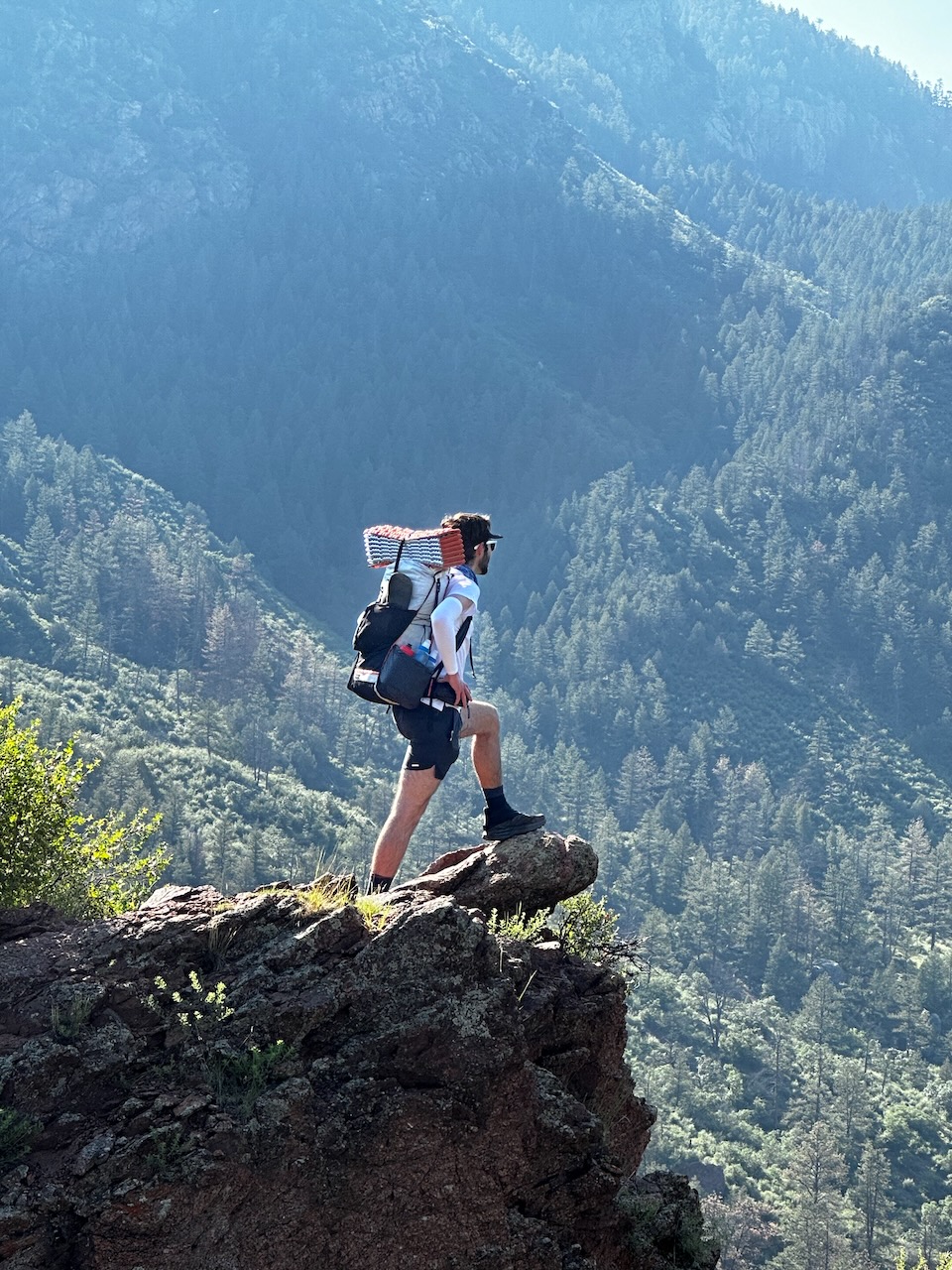
What peak are you climbing next? By reaching the summit, what achievement is gained? What did you learn when you climbed the last mountain? Sometimes we climb because the trail leads us in that direction, other times we are more intentional with our route selection. How might you plan your next ascent?