
How might we embed a bit of art into the functional aspects of our work?
How might we embed a bit of art into the functional aspects of our work?

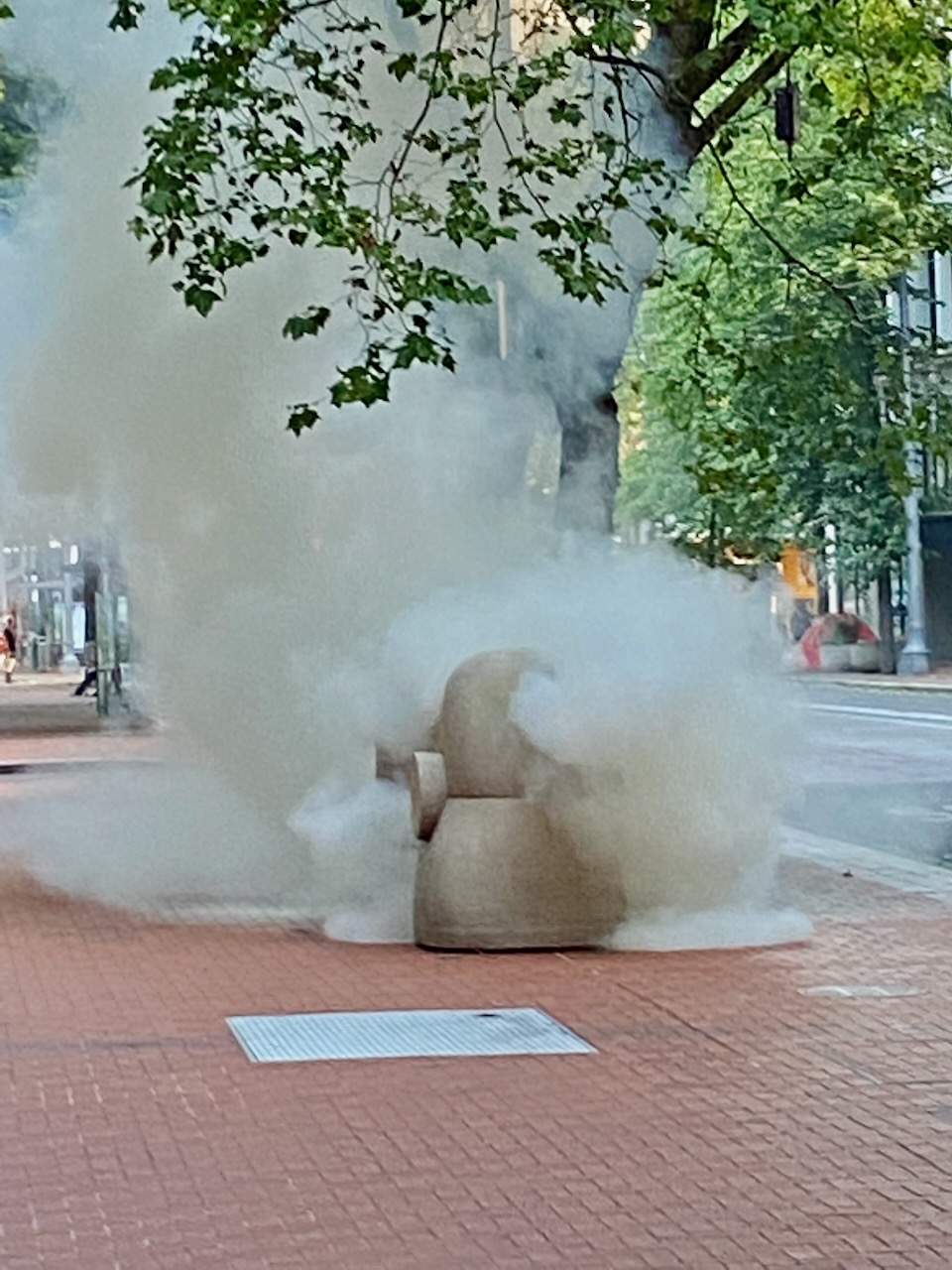
What is the difference between abandoned and well-used? It isn’t easy to decipher if an object represents a previous generation’s work or a real-time activity. If we embrace an empathetic mindset towards the end-user we serve, we might help orient those who encounter our work. Abandoned and well-used tokens both have stories; the question is how we provide context for the narrative.
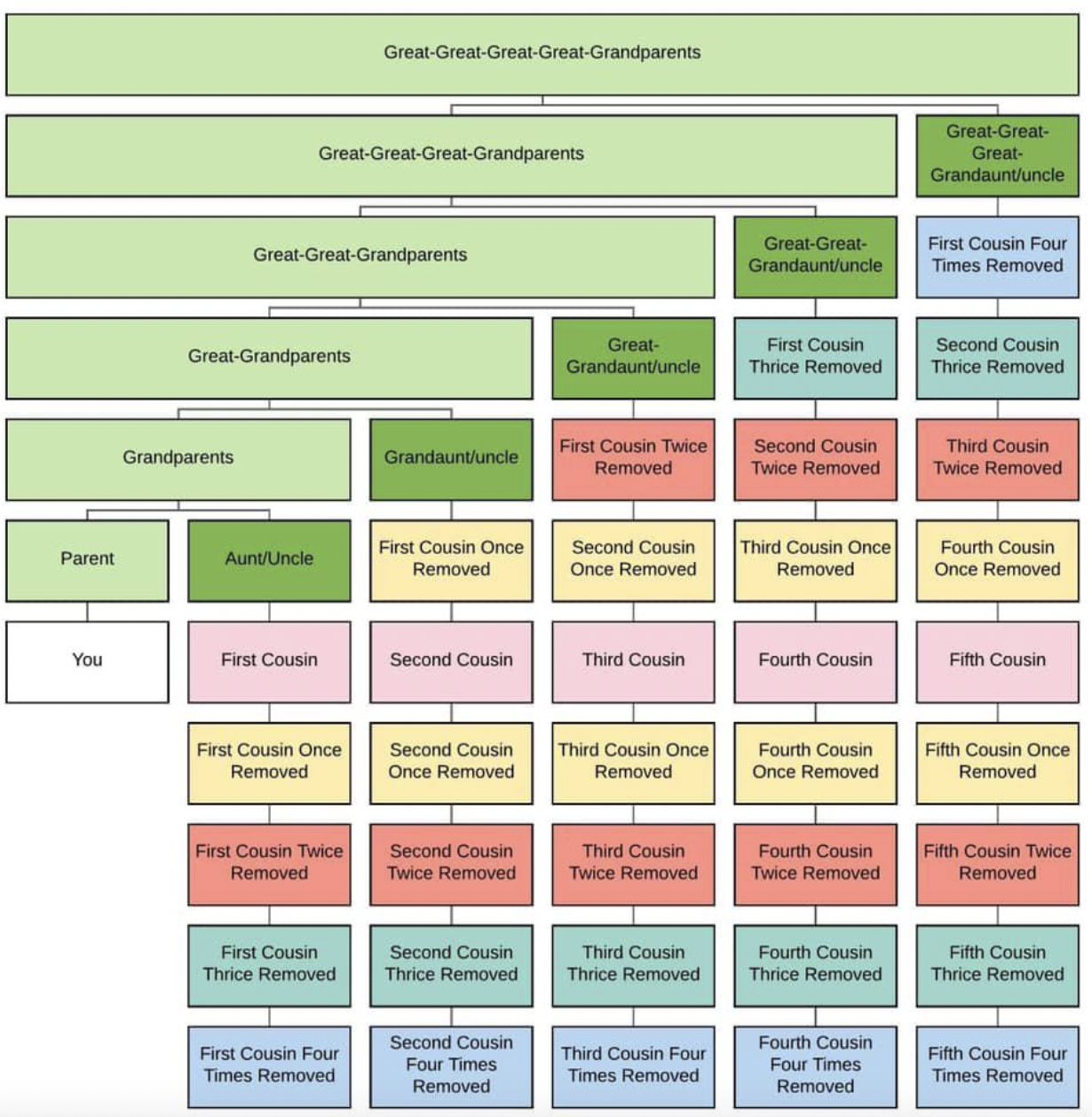
Sometimes it takes a better graphic to help us comprehend how we are connected. Or you get create an algorithm, like Wolframalpha to map our connections.

What if I told you a Tour de France rider made the leaderboard by receiving a penalty. What conditions would allow for such an occurrence?
Quinn Simmons is on the leaderboard for the King of the Mountain competition at the 2022 Tour de France with -1 points. Magnus Cort has won all the fourth category climbs, which offer one point for first place and no points for places behind first, and therefore is the current leader. As a penalty for riding off the course (on the grass shoulder next to the road to pass some other riders), Quinn received a penalty point and is listed on the KOM leaderboard, although technically he sits behind 174 other riders who have zero points. The irony is that the leaderboard added him to the tally for being behind.
It is convienient to say we are on the leaderboard, and it might be a true statement. However, being on a leaderboard is not always a sign of the highest ranking and overall performance.

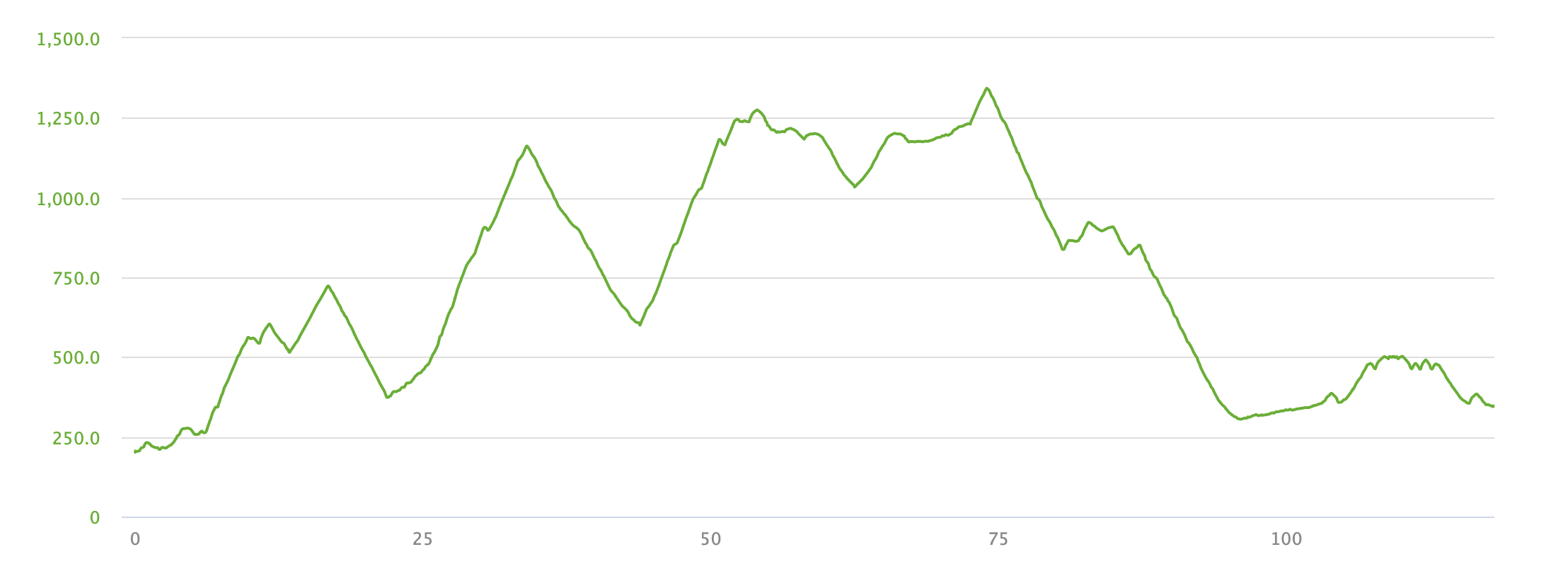
If we can see where you travel from, it allows us to connect in a more meaningful way. We can add dimension to your travels if we know the terrain you covered. It is easy to point back to the direction you came from and expect others to comprehend the details. If you add details, it provides more depth and detail.

When our work in progress is visible, some people might see the art within.
What advice would you give your younger self? If you could go back in time, say half of your current lifespan, what wisdom would you share with your less traveled self?
Chris Guillebeau shared a mind-shifting answer this weekend at World Domination Summit. He stated that he would ask his younger self how to nurture the key characteristics and mindsets that aging might erode. He flipped the script. He did not see the question as linear but rather generative. He reversed the flow and asked for guidance instead of funneling suspect wisdom to youth.
What questions and opportunities in your ecosystem are prime for a mind shift? How might we tell less and ask more for guidance?
I am more connected to the causes who asked for my insights over the ones who told me their results and impact at the first point of contact. My ideas are treasured investments in these enterprises, and I intend to monitor their germination.
Ask a question before we tell; perhaps it becomes the fire that never natures into smoke.
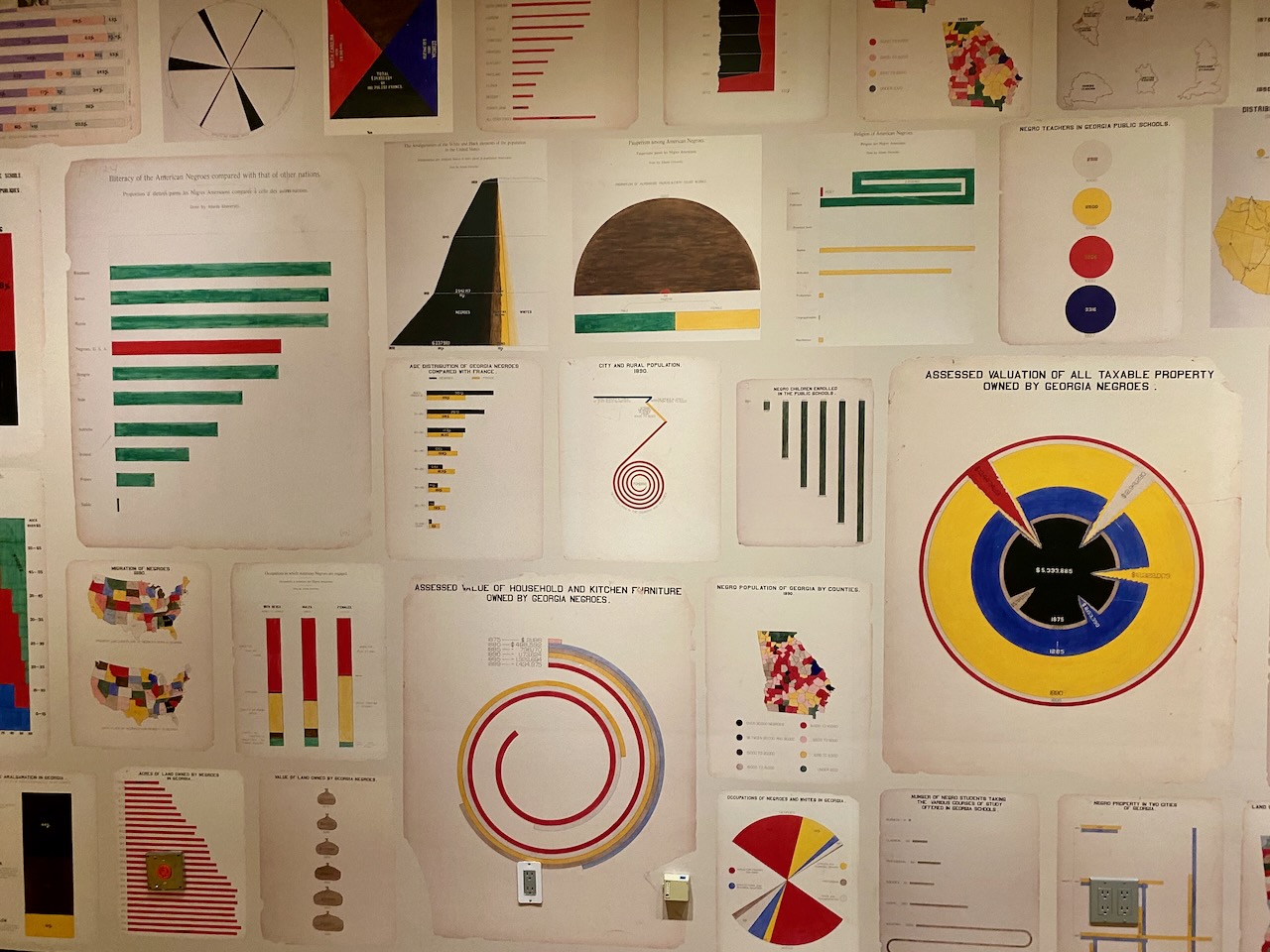
Without context, pie charts, bar graphs, scatterplots, histograms, and gauge charts are more like artwork than representative of data that informs their creation. The challenge to us is to present the graphs with accessible context. There is a story within each, an opportunity to take the viewer on a journey. How might we employ graphs to support our efforts and avoid confusing those looking for meaning?
If given ten seconds, could you articulate the work that matters for your cause? Would you use your mission statement, vision for the future, core beliefs, purpose statement, best story, or some hybrid? Is it accessible to those who ask why you do what you do?
Apple and Steve Jobs talked about making a dent in the universe. Most of the products and services that followed changed the paradigm of how we communicate and connect. Dent made (for better or worse).
What is your dent in the universe?

I find switchbacks essential to the journey. They allow me to continue at my cadence while gaining (or losing) the elevation I need to reach my objective. They also provide perspective and an opportunity to contemplate what comes next. Even when we travel away from the summit, there is a sense of certainty that we are on course.
How might we see bends in the pathway as confirmation of our progress and wayfinding? How might we embrace directional change as intentional instead of failure? How might we celebrate that the greater the difficulty, the less likely we can move directly between the departure and arrival point?
 What-if-concepts