What is the difference between abandoned and well-used? It isn’t easy to decipher if an object represents a previous generation’s work or a real-time activity. If we embrace an empathetic mindset towards the end-user we serve, we might help orient those who encounter our work. Abandoned and well-used tokens both have stories; the question is how we provide context for the narrative.
If we can see where you travel from, it allows us to connect in a more meaningful way. We can add dimension to your travels if we know the terrain you covered. It is easy to point back to the direction you came from and expect others to comprehend the details. If you add details, it provides more depth and detail.
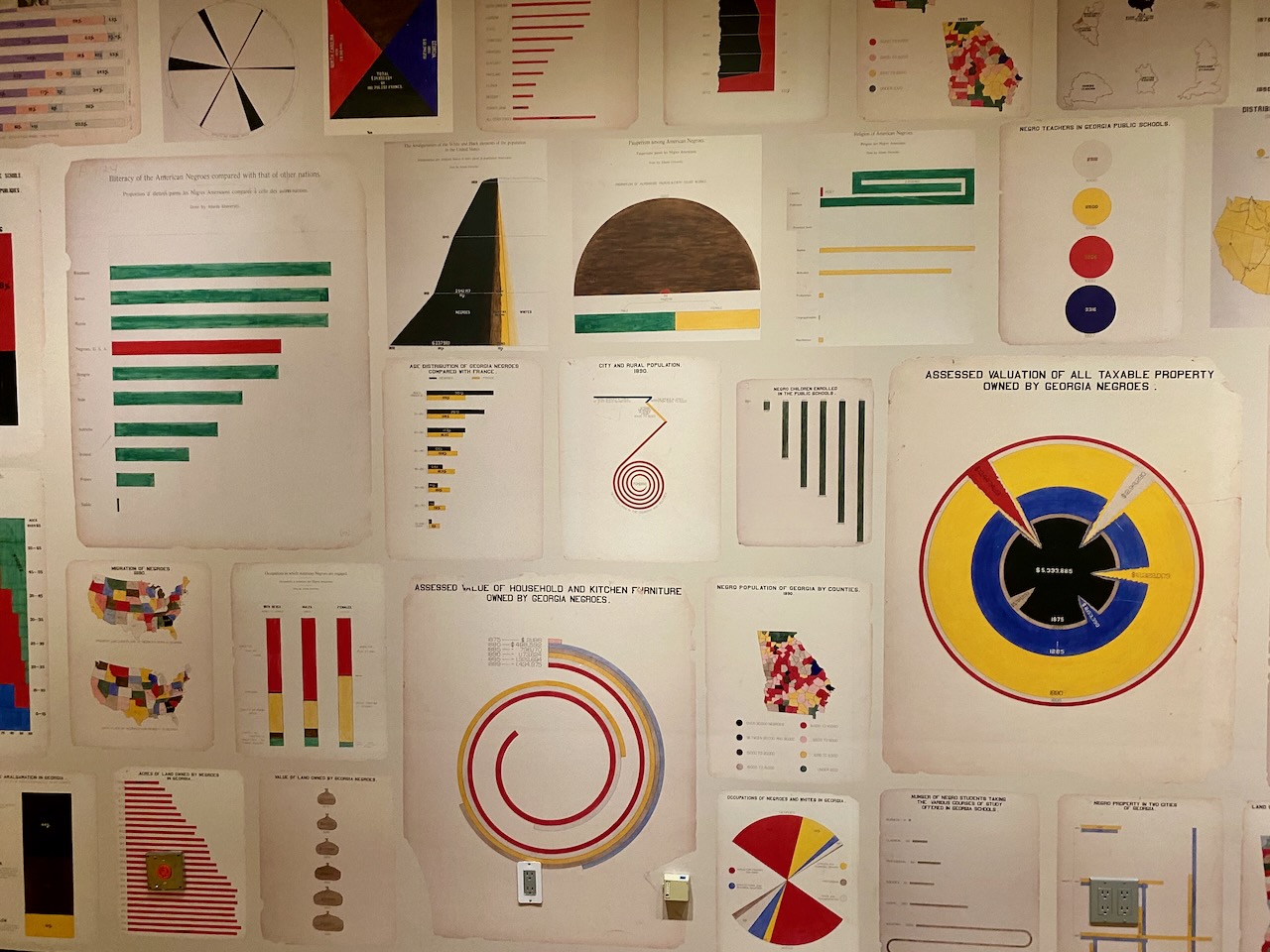
Without context, pie charts, bar graphs, scatterplots, histograms, and gauge charts are more like artwork than representative of data that informs their creation. The challenge to us is to present the graphs with accessible context. There is a story within each, an opportunity to take the viewer on a journey. How might we employ graphs to support our efforts and avoid confusing those looking for meaning?
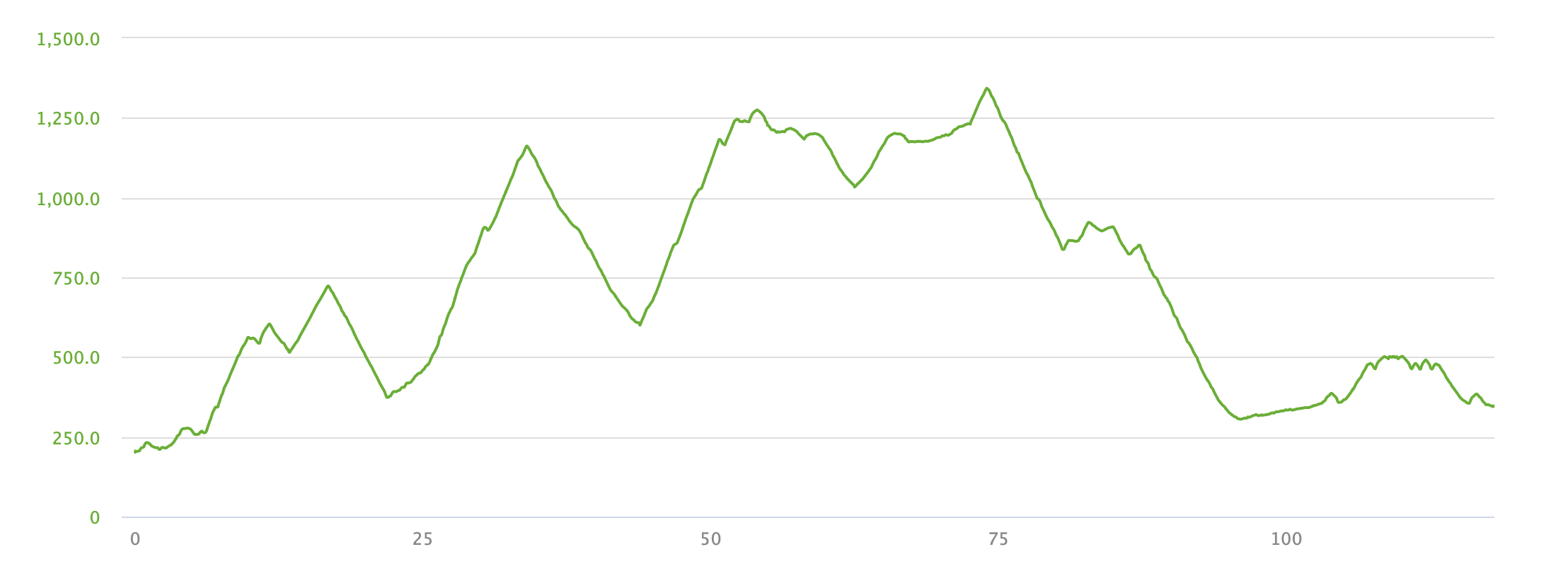
I find switchbacks essential to the journey. They allow me to continue at my cadence while gaining (or losing) the elevation I need to reach my objective. They also provide perspective and an opportunity to contemplate what comes next. Even when we travel away from the summit, there is a sense of certainty that we are on course.
How might we see bends in the pathway as confirmation of our progress and wayfinding? How might we embrace directional change as intentional instead of failure? How might we celebrate that the greater the difficulty, the less likely we can move directly between the departure and arrival point?
Do you have a way of alerting the team when encountering an obstacle or situation that might significantly disrupt the journey? American football teams use a code word to change plays at the line of scrimmage. One board I served used the word “Omaha” in the email’s subject line, a phrase borrowed from former NFL quarterback Peyton Manning. Board members understood an Omaha communication required immediate attention and response. This technique was used cautiously, but it was reassuring to the Executive Director and Board Chair that the board would be responsive as quickly as possible when needed.
What is the road to nowhere that might transform your work because you are willing to take the ride? Recent reports announce very positive results in a cancer trial and remission in every patient. Oncology research will not stop due to the optimistic findings. But there will be trials doomed not to reach such favorable results. Sometimes the work that matters is to scout dead-end options to support other expedition members so they can continue down their path.
Did the towns of Cooke City and Gardiner, Montana develop contingency plans in advance that include catastrophic disruption and historic infrastructure failures? The 2022 summer appears to be headed in a very different than anticipated. How do they find their way forward from the flooding and storm damage that has made travel into the towns and Yellowstone National Park uncertain? How do we plan with certainty if we cannot predict the future? Perhaps we need greater flexibility if the journey we seek is worthy of wayfinding.
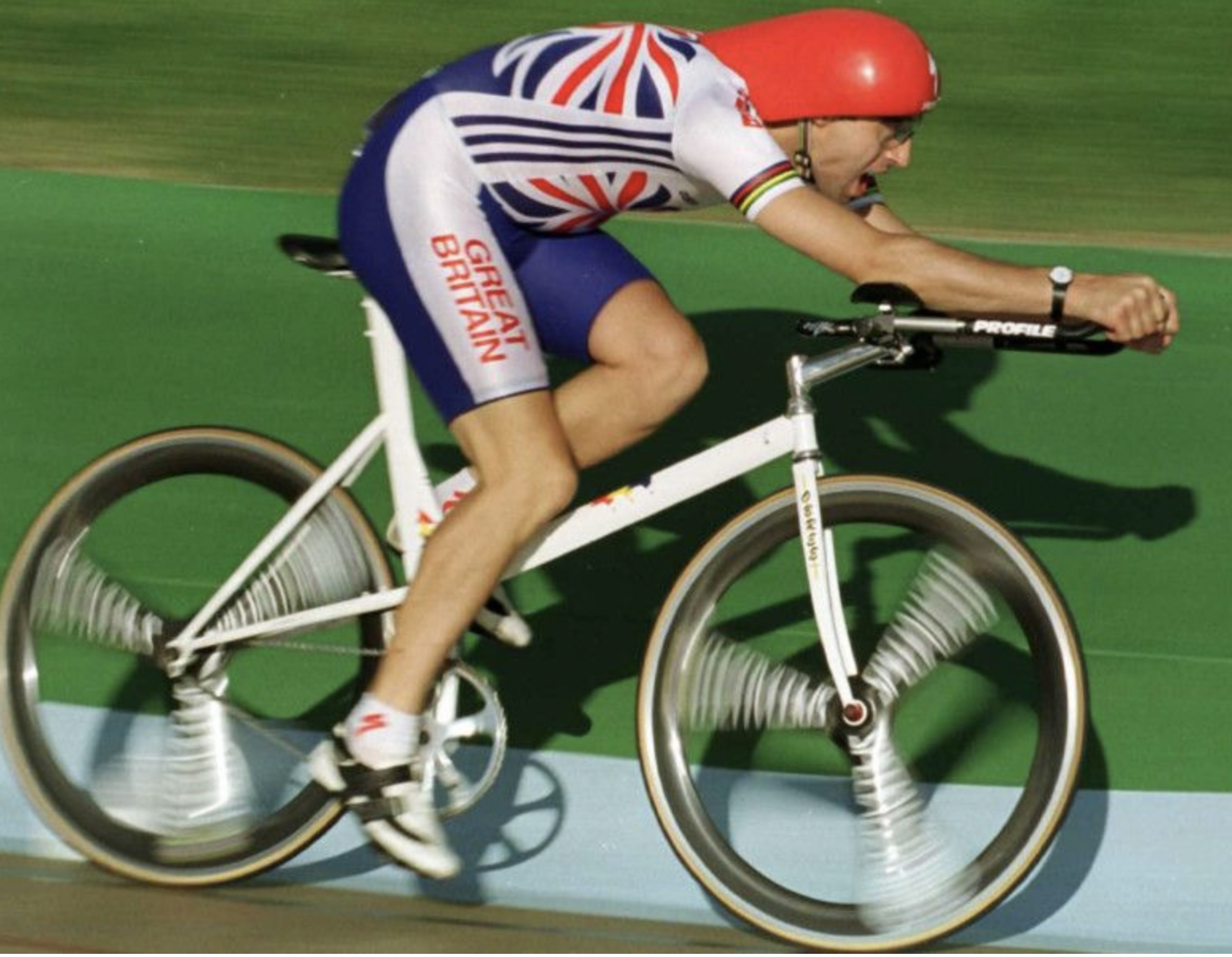
Graeme Obree changed cycling with multiple innovations
Are your innovations changing the sector you serve? Have accreditation agencies reviewed your work and considered new rules to counter your progress? Are people who share your vision and passion seeking you out for insights? Is there awe and fear for those invested in the status quo?
If we are innovating, we might need to work beyond the existing structure and guidelines accepted by our sector. If we are improving, we might be working within the current guidelines but building a more efficient and impactful version.
How far might your organization be willing to reach to improve or innovate? What is too far and why?
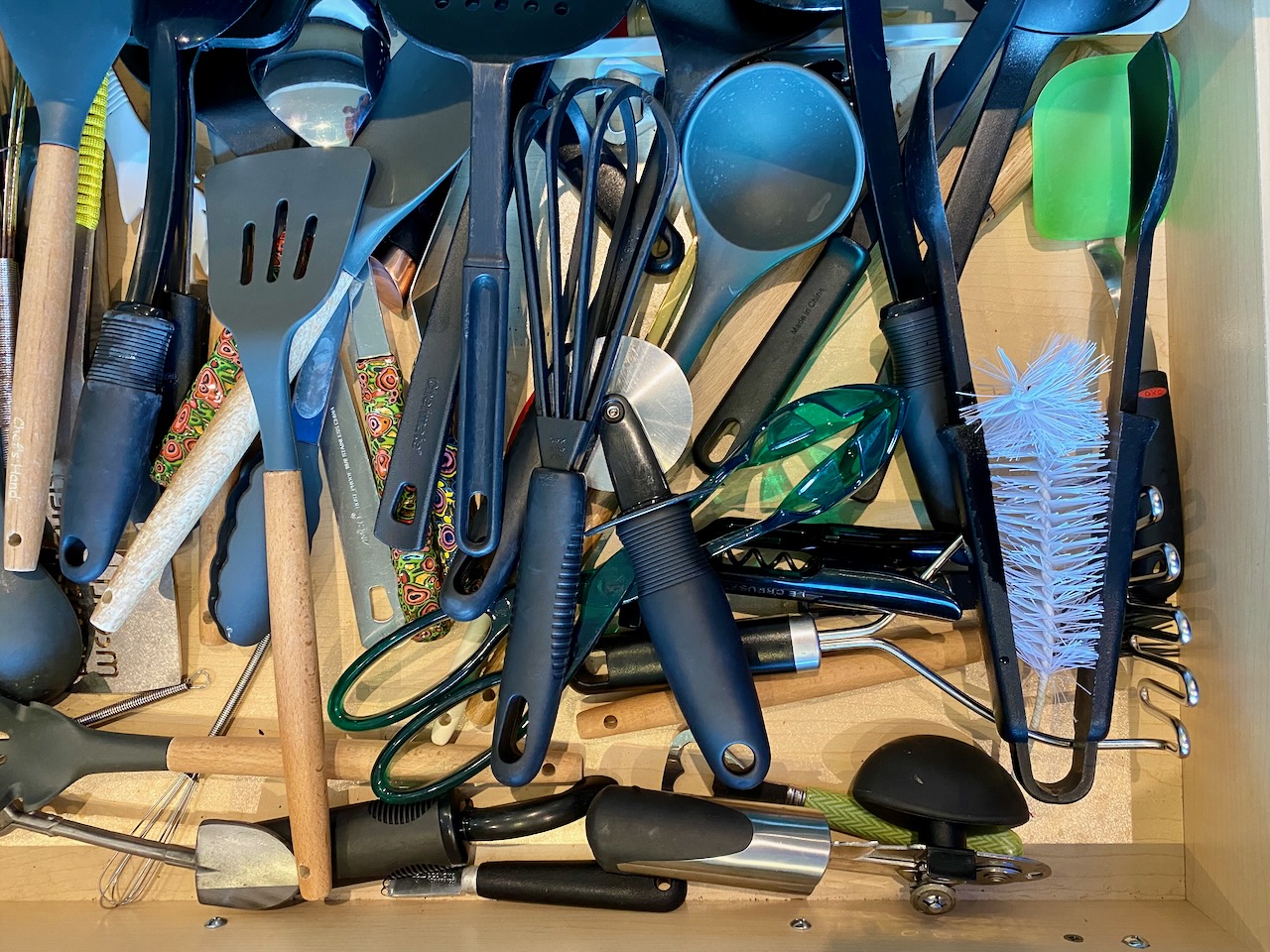
Items can be placed in a particular direction, but there must be enough coordination and alignment that the drawer closes; otherwise, the purpose fails. Add a board member who wants to change to a vertical storage platform, assume a partnership that uses a super-sized serving spoon, or hire a staff member who uses the drawer to store valuable thumb drives; these different uses create challenges for an organization— clarity of purpose and alignment matter to facilitate function.
How might we maintain fidelity to purpose but offer sufficient flexibility to adapt when it benefits those we serve?
Do you have a master plan for your facility/campus? How flexible or rigid are the considerations and assumptions that guided the plan’s creation? Do you share your vision for the future with your fans, or is it kept under lock and key? How might we remain curious about the factors influencing future needs?
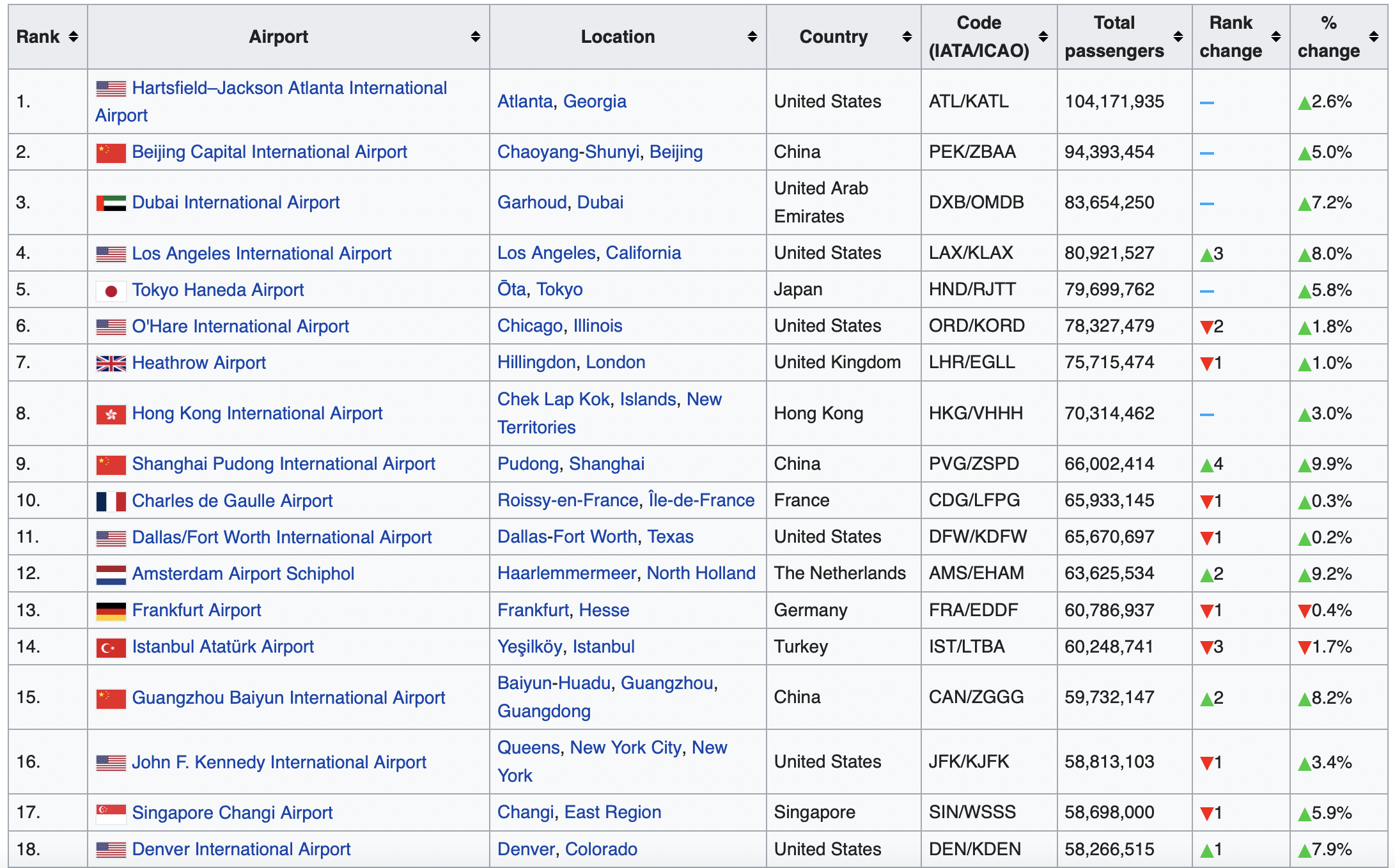
Consider Denver International Airport’s jump up the list of busiest airports by passenger traffic, moving from 18th in 2016 to 3rd busiest airport in 2021. Interestingly, the number of total passengers in Denver between 2016 and 2021 is similar compared to other airports; the growth is not correlated due to the pandemic. Denver has a master plan that includes 12 runways and two additional terminals. By building further away from the city, there is room for growth.







 What-if-concepts